What is a City?

What is a City?

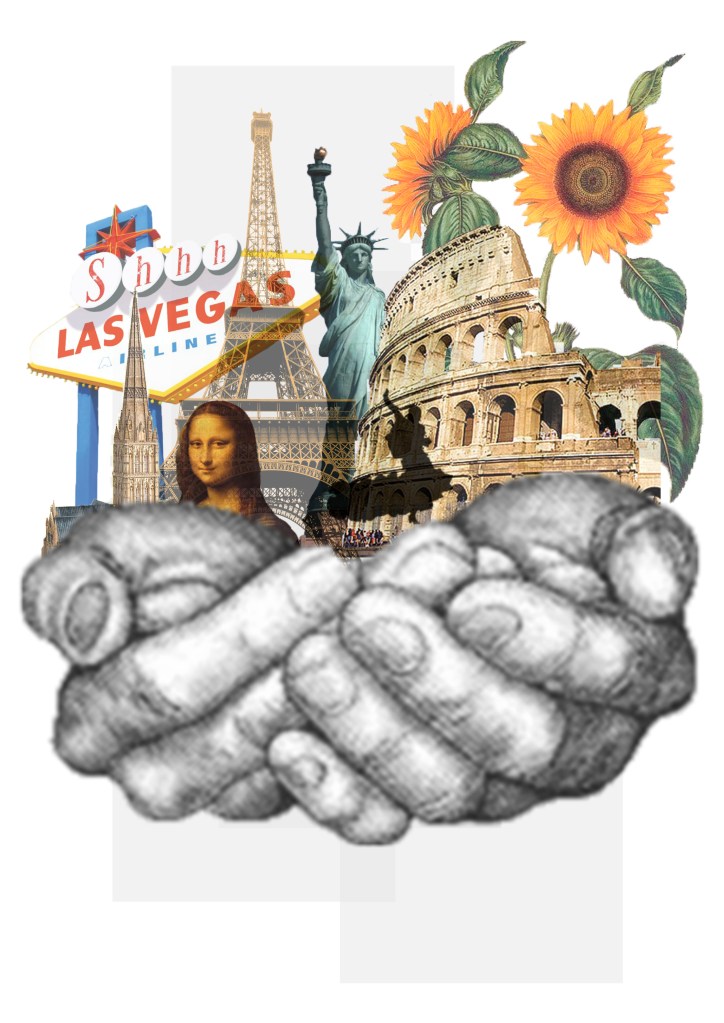
Cities can be defined in many ways. Interestingly, in the United Kingdom the City status is granted by the monarchy, implying a sense of privilege upon a place. Traditionally, a place in the UK can be defined as a city depending on the presence of a cathedral. This historical methodology creates a sense of hierarchy throughout the United Kingdom and has quite a religious undertone to it. Globally, cities are defined differently. When one thinks of a city, it is immediately thought of as a densely defined space in which commercial and administrative activity takes place. However, in modern times it is true that roughly half of the global population now lives within this type of space. One might argue that due to this, a city may be defined by the people and the community that they create within it. Furthermore, people create a culture that ultimately defines how the city is viewed by the rest of the world. For example, in Paris, the city is not particularly recognised for its administrative system, but for its fashion, food and art. This is because these themes have an emotive impact on us, and our personal tastes define who we are as people. This underlines the importance of recognising the impact of humanity upon a place. Alongside this, architecture also depicts a sense of identity within a city. Buildings are often used as a representation of place in various ways, whether it be one monumental building or the vernacular style that reflects the materiality of a country. One might argue that this combination of architecture, the arts and culture comes together to define a City.
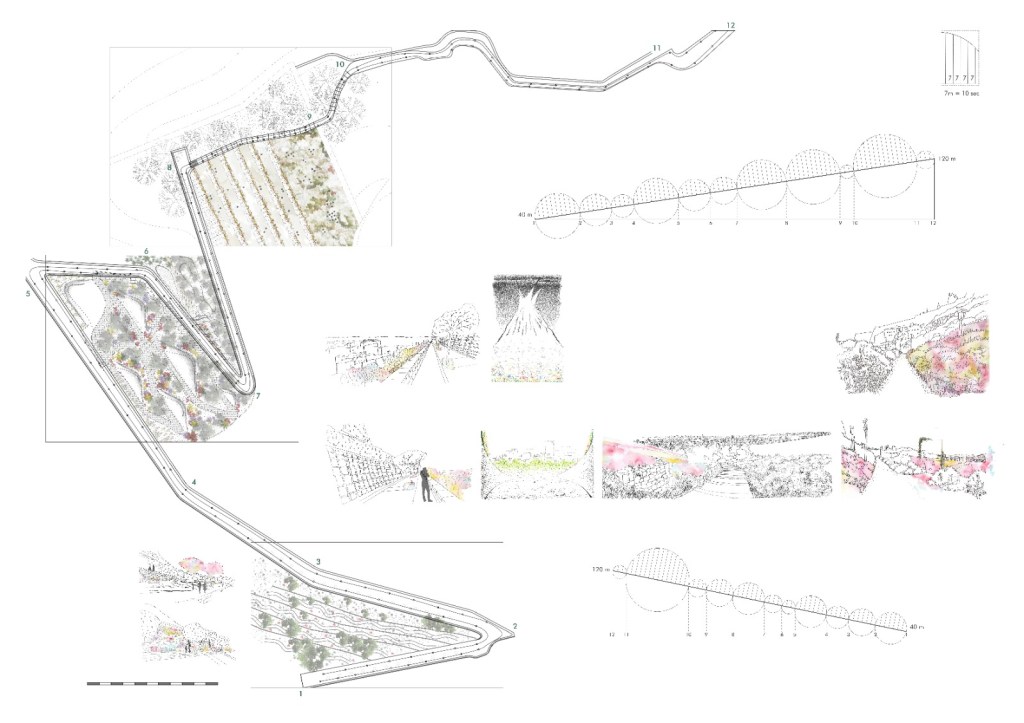
Final Drawing

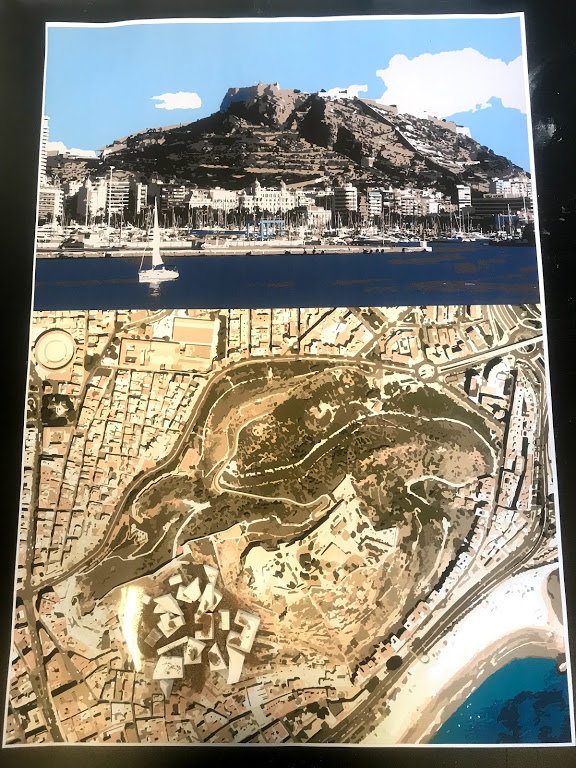
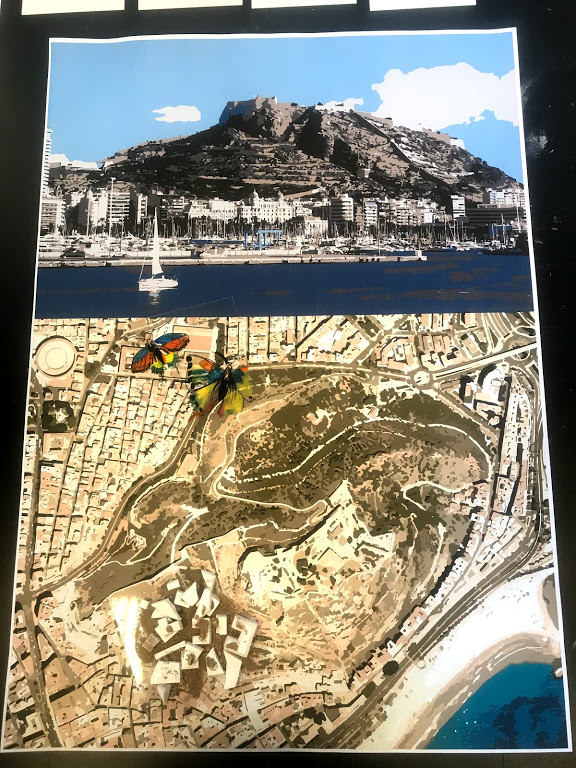
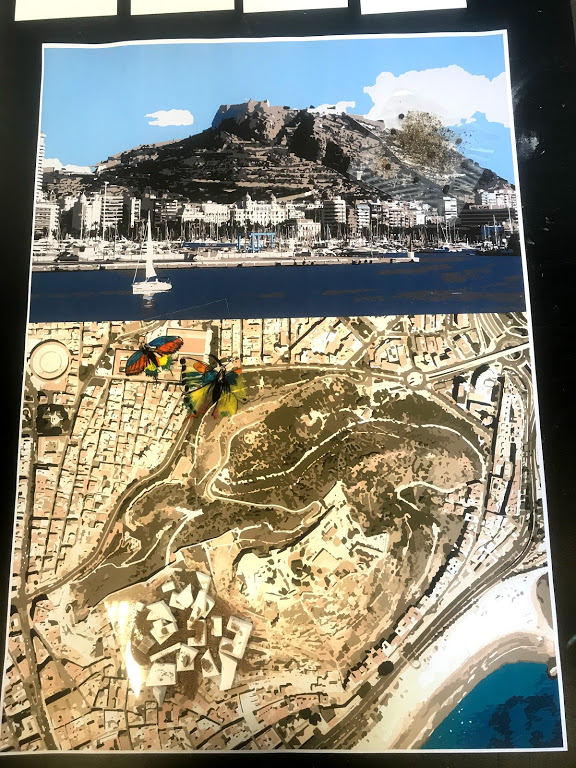
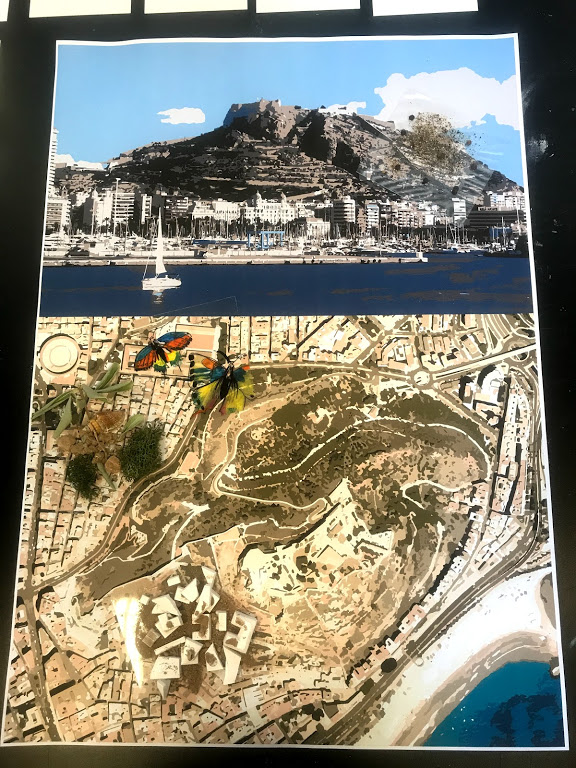
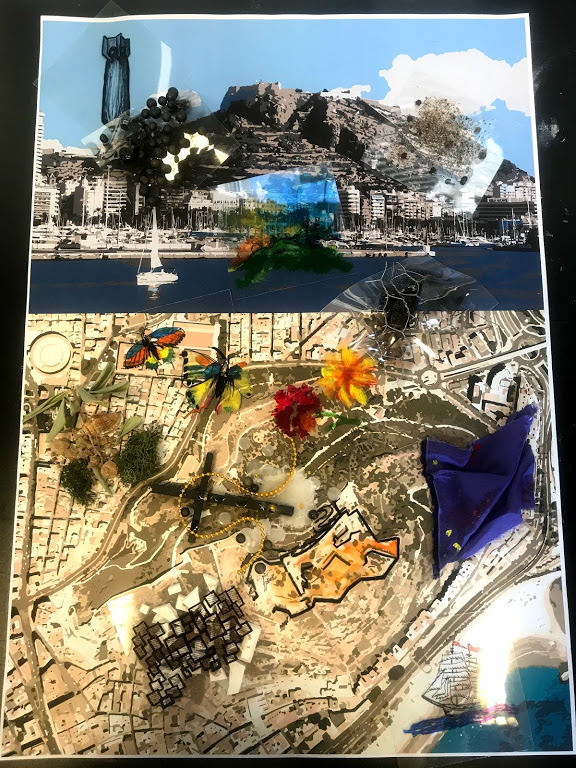
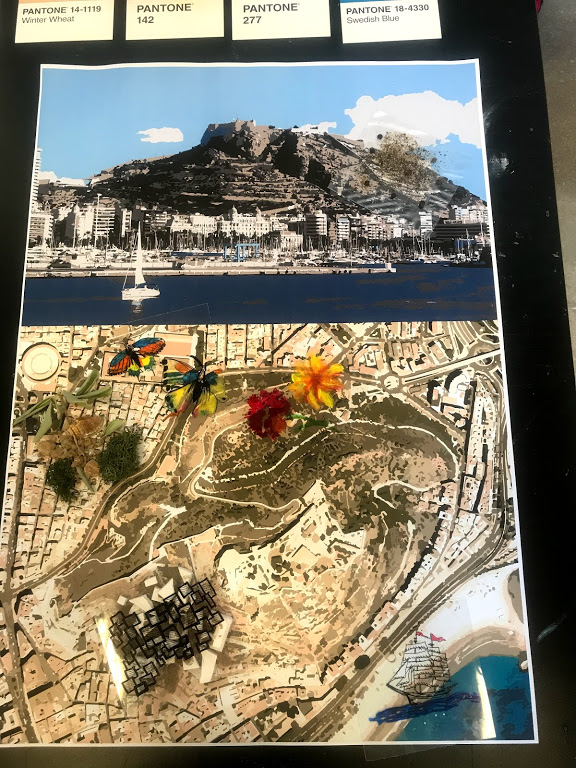
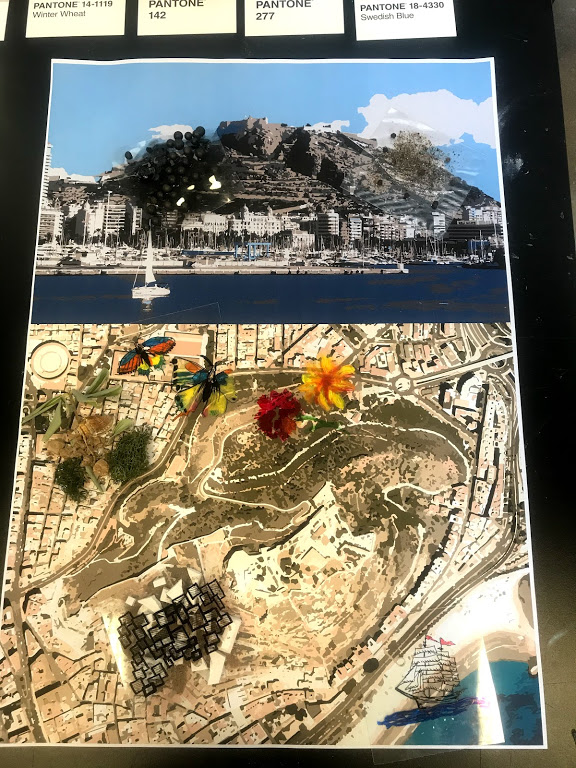
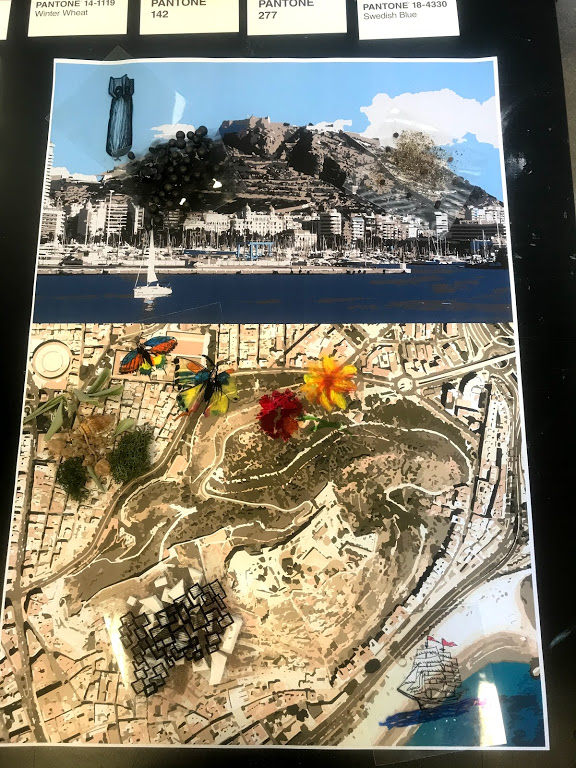
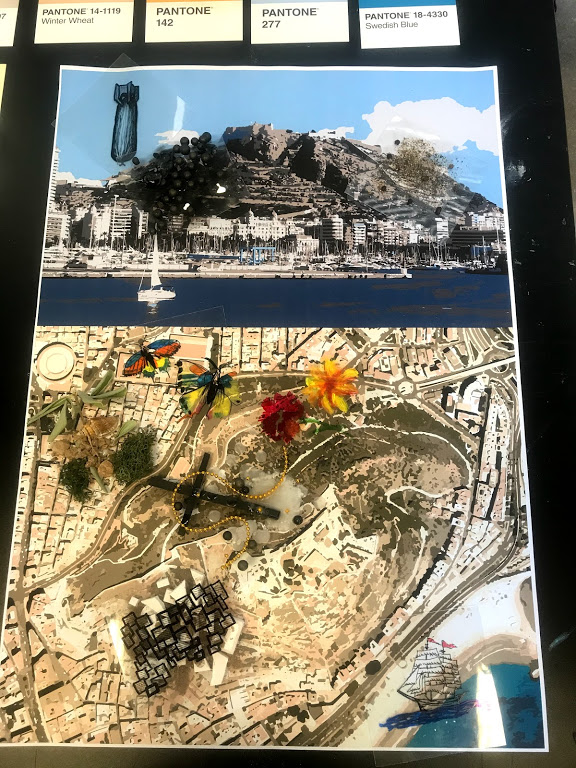
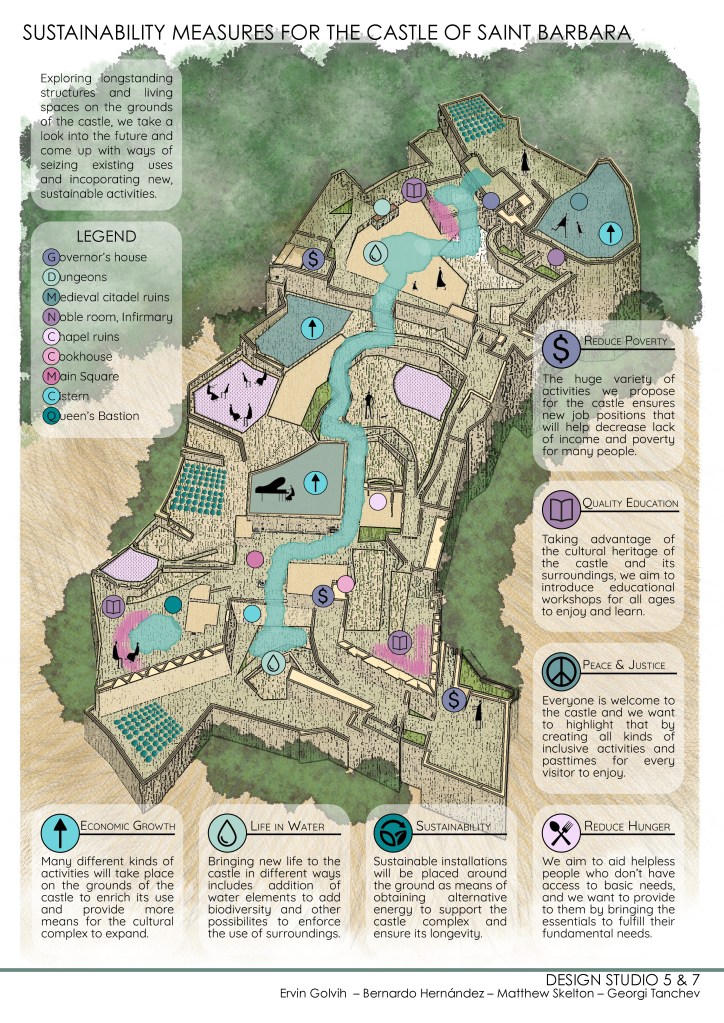
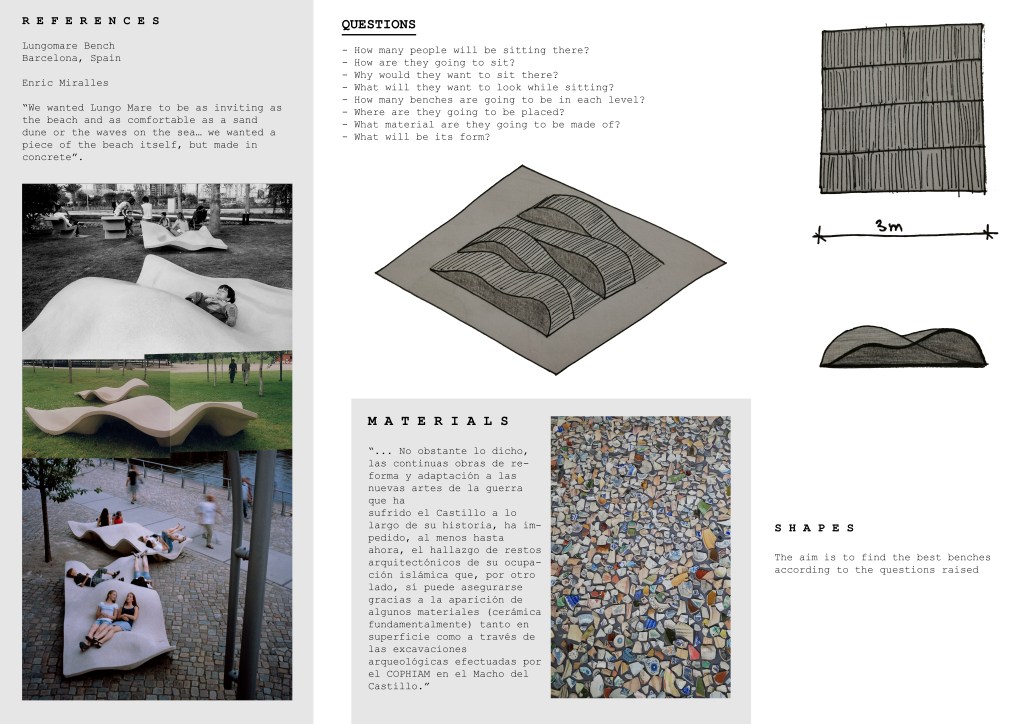
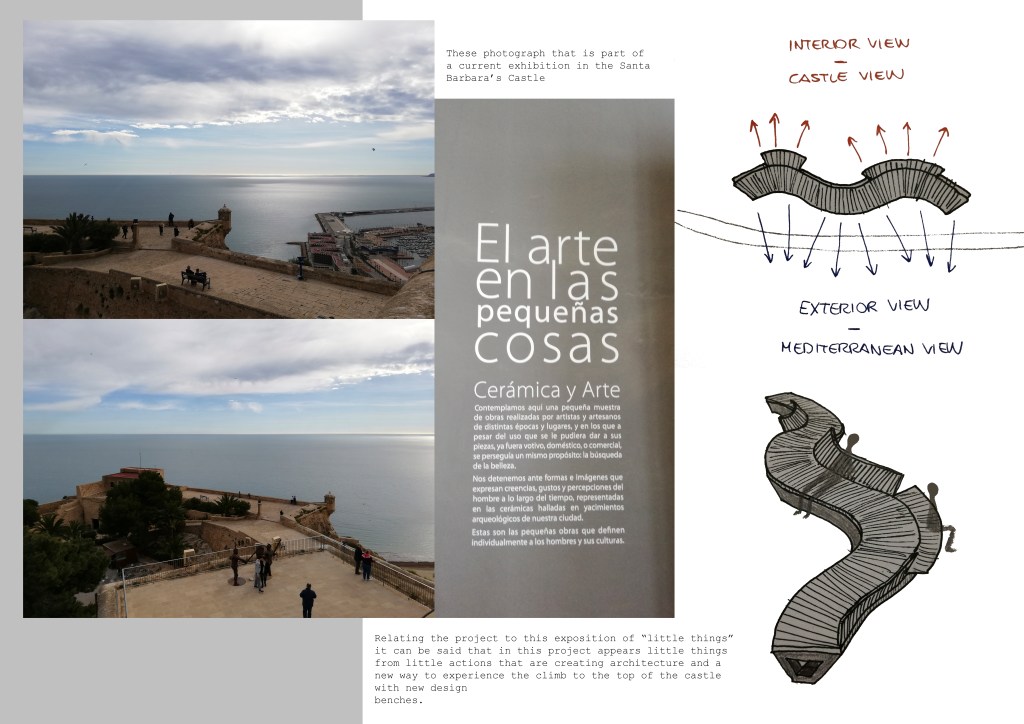
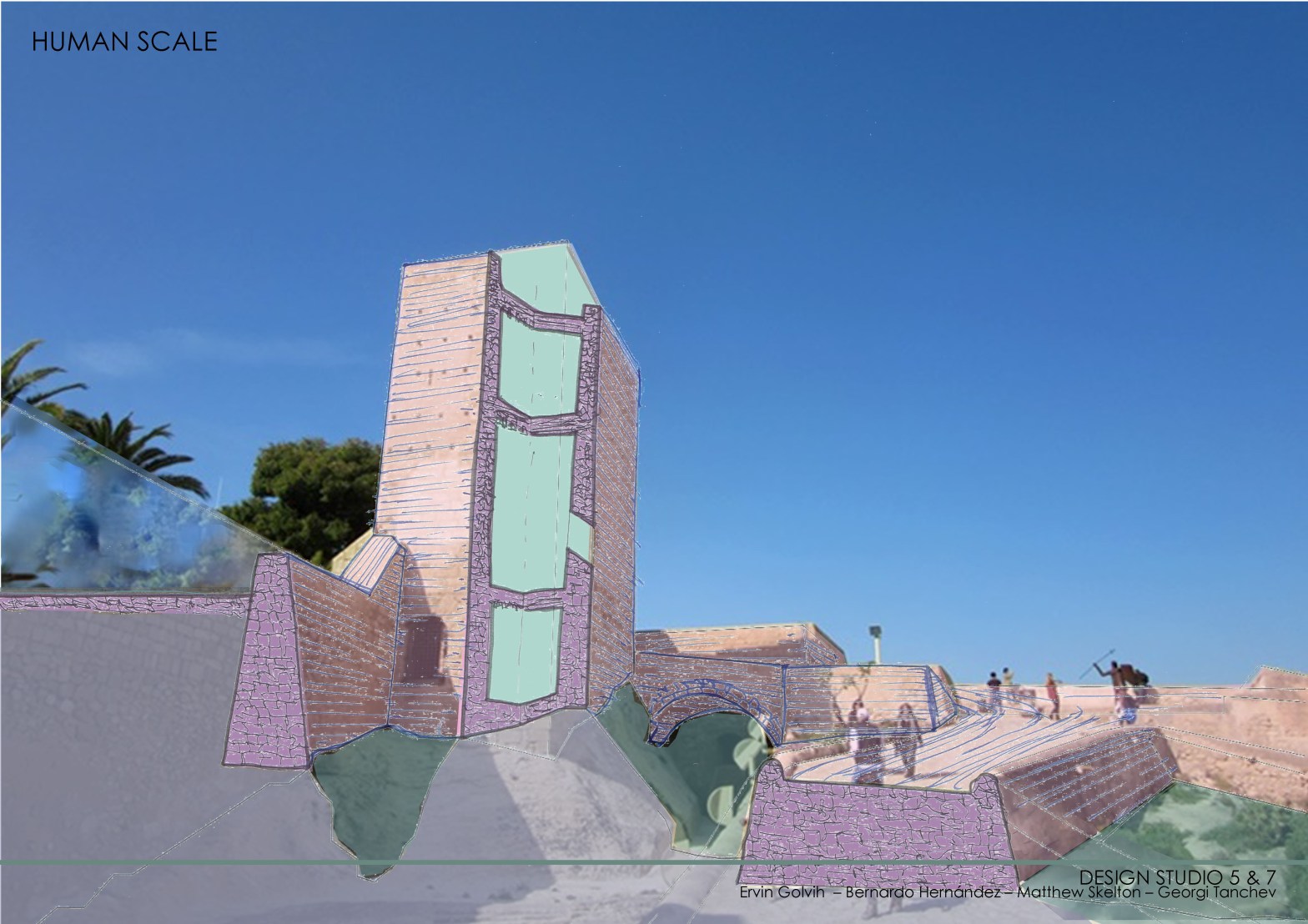
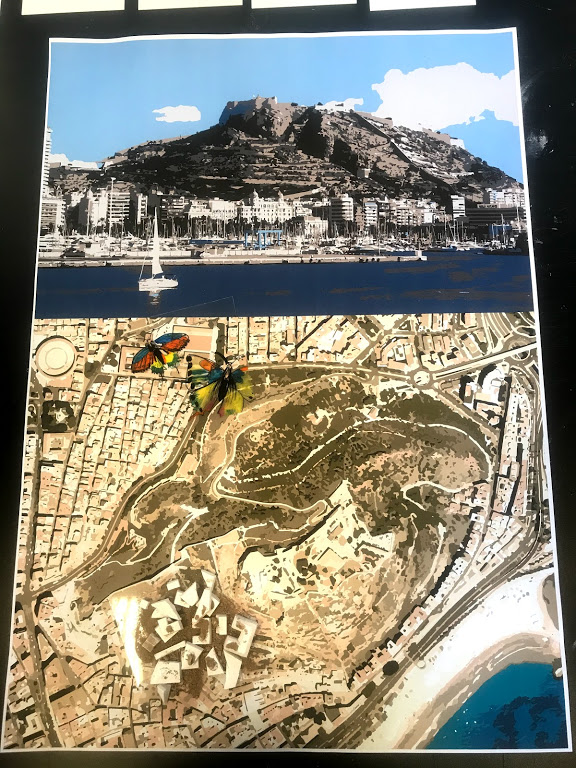
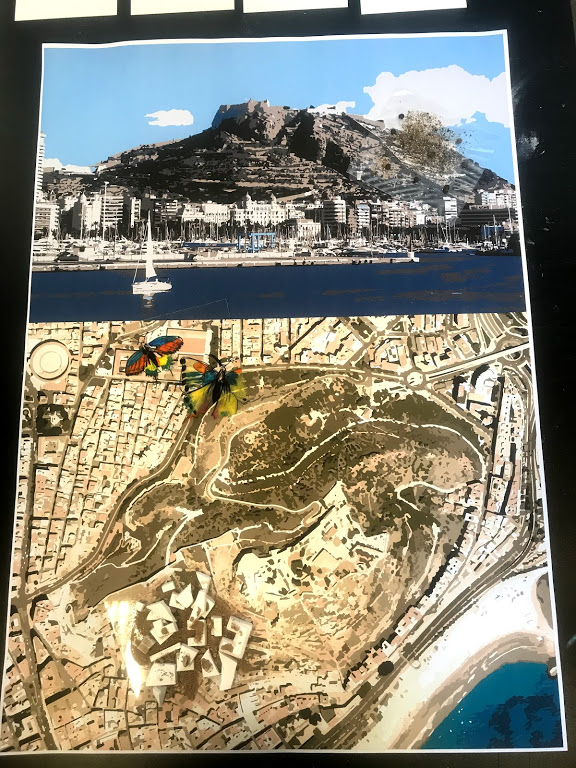
As a group, we felt that the journey towards the castle should be our main focus. By intersecting the journey with small pockets of joy we will encourage more locals to experience the journey. We intend for them to enjoy each moment, rather that the sole focus being the final destination. We hope that by inserting rest points and places to relax on the way, it will encourage more older people and children to partake in the journey. The small intersections will be visual, and views will contrast on the path up and down.

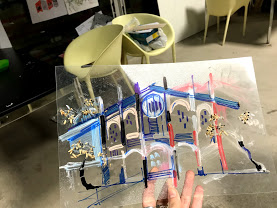
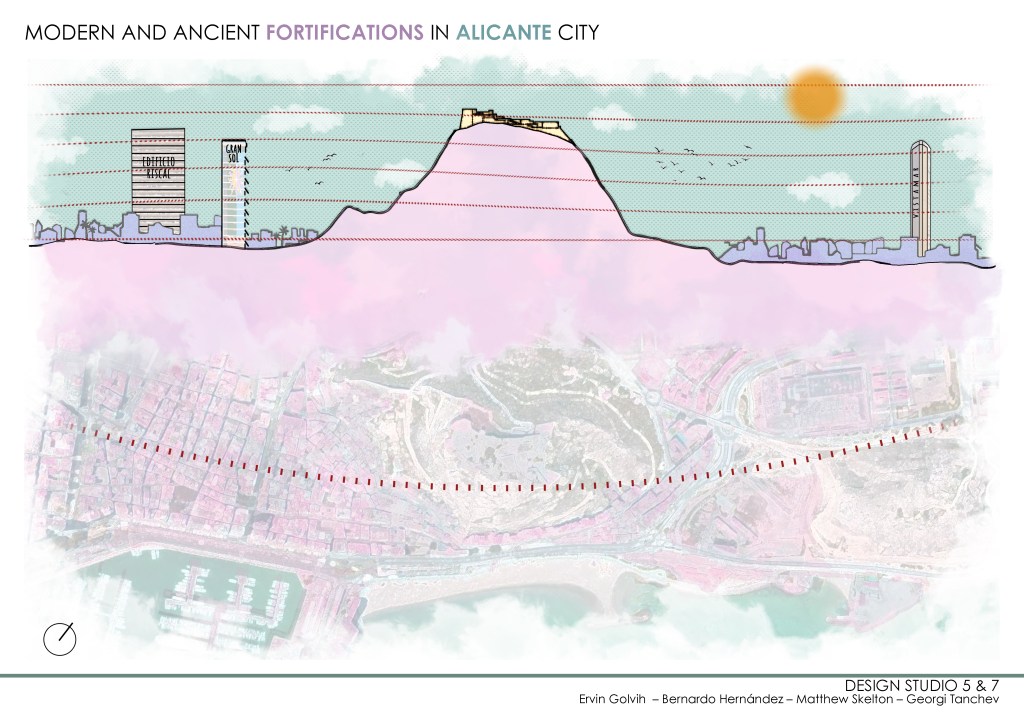
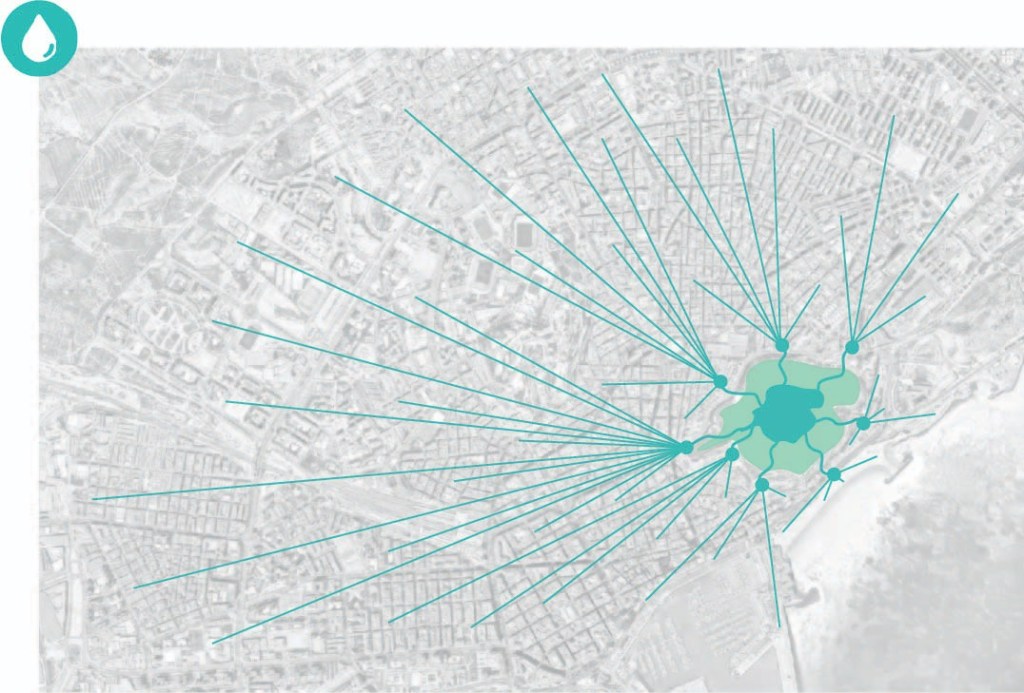
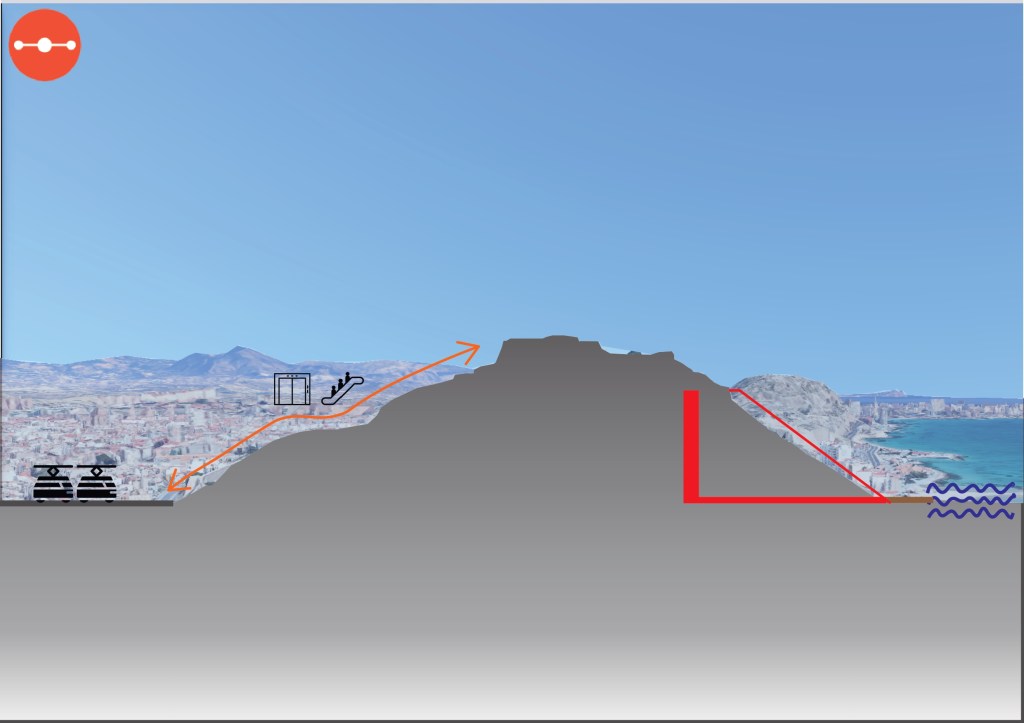
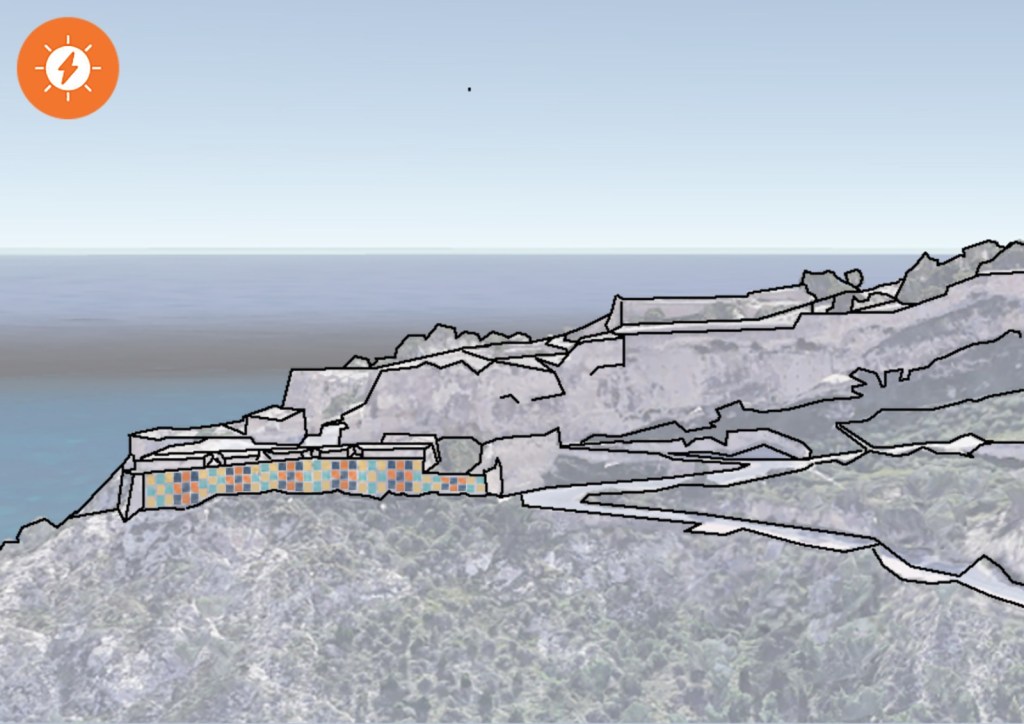
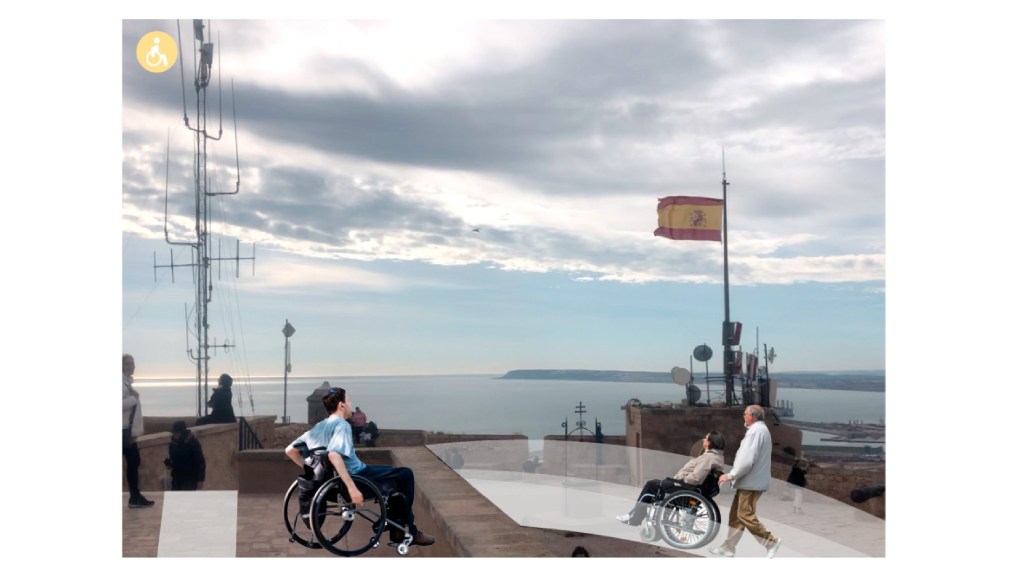
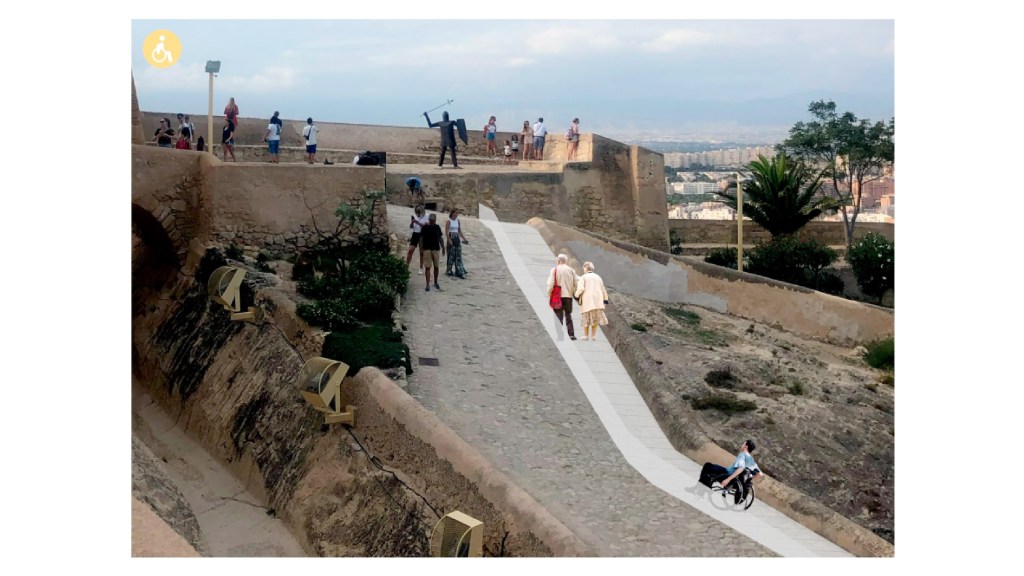
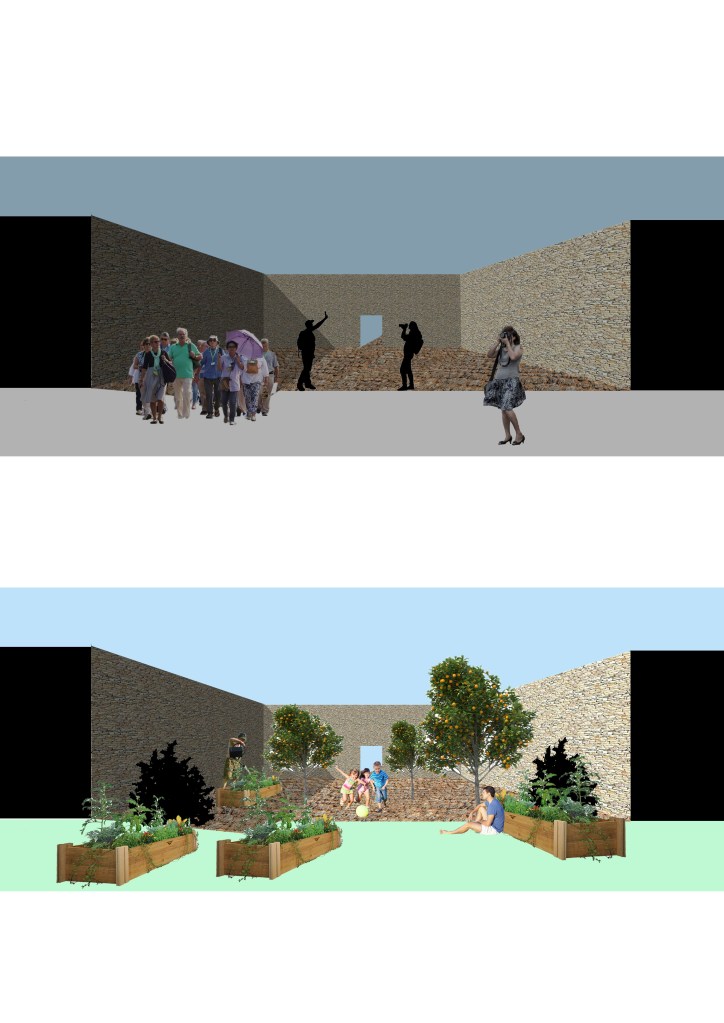
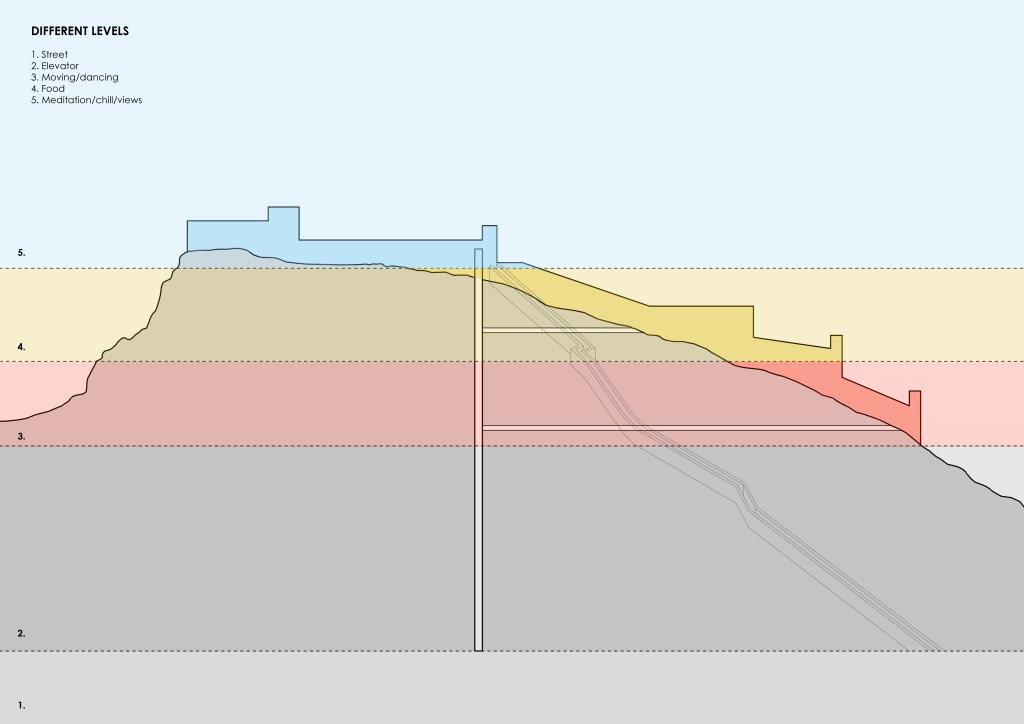
The final drawing depicts our groups ideas to develop the castle. The large plan conveys where each intersection will be placed along the path towards the castle. We measured the distances in the time that it takes for the average person to take different parts of the journey, these can be seen in the section drawing. We allowed the time taken to influence our intersection designs, with larger spaces being designed in the lengthier parts of the journey. Each view (up and down) can be seen in the perspective drawings, and we aimed to maintain a cohesion by using the same style throughout.

What is a city?

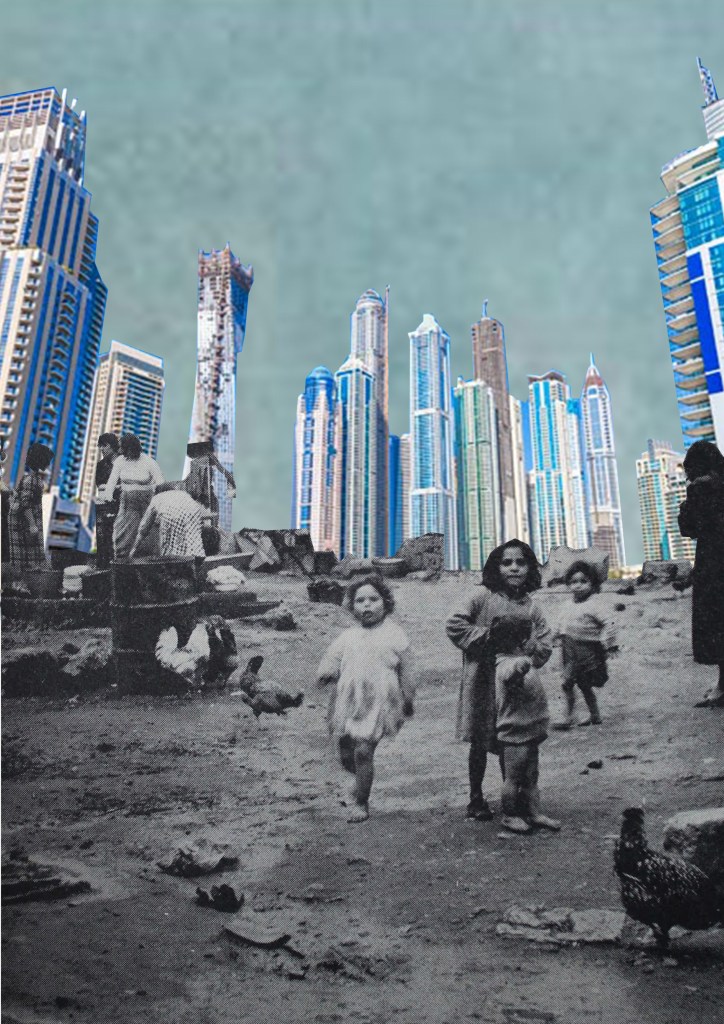
The city was born as a place of opportunity: the modern city is the consequence of the industrial revolution, which leads men to organize themselves in suitable locations. Then, due to population growth and growing complexity of technology and economics, the city becomes a space of inequality and social problems. Nowadays, the inequality shows itself in the difference between center and periphery. Lack of services, inadequate structures for education, crumbling infrastructures, urban and enviromental degradation are the manifestation of inequality. And these are also elements that lead to social segregation. For example, in Rome, the graduates are four times more than in the peripheries. I use the word “peripheries” not only in a spacial way, but mostly to describe a phenomenon of urban decay. For example, Cortile Cascino, synonimous of decay and poverty in the city of Palermo, was a stone’s throw from the palaces of politics and religion, in the center of the city. Talking about Dubai, the question is: what happens to cities when real estate investments abound, regulation is weak, and urban trasformation becomes hyper-accelerated? Dubai has the highest skyscraper in the world, but has a huge gap between rich and poor; its economy is hyperaccelerated, but there are no places for waste disposal. In this, Radical urbanism could be a lesson for the future architecure: “utopian dreams tempered by an unflinching engagement with social reality” (cit. https://archpaper.com/2017/04/radical-urbanism-evolving-urbannext/), usually through a positivist attitude. We, as future architect, can learn by them and their idea of a new humanism, based on the respect for the individual and the reality that sorrounds him.
Giorgia Calandra

WORKSHOP RADICAL CITIES

The city of today.
To start to think about what is a city today we should to start since the beginning of the human existence and talking about an artificial and complex thing, created by humans, this is a big and difficult task because what is a city depends of a lot of factors, each city is different, there are not two equals cities, every city has its own intrinsic rules, its geography, its habitants, its own culture, its failures, its perfection…

I started talking about a city as a human thing, but we can see a city of animals where we can find a lot of complex relations and artificial constructions, they are modifying the space and the environment as us to adapt it to its use, rules and its nature using whatever these find around to its survival, evolving to adapt…

If I should to express what is a city today, I think I would say that a city is complexity, is a lot of invisible links and rules connecting every part and every interest of the different relations between everyone and everything. A city is like a huge and invisible net, is the way we survived to the past, the way we adapt ourselves at the present and the way we are evolving, always with the melancholy that the future creates.
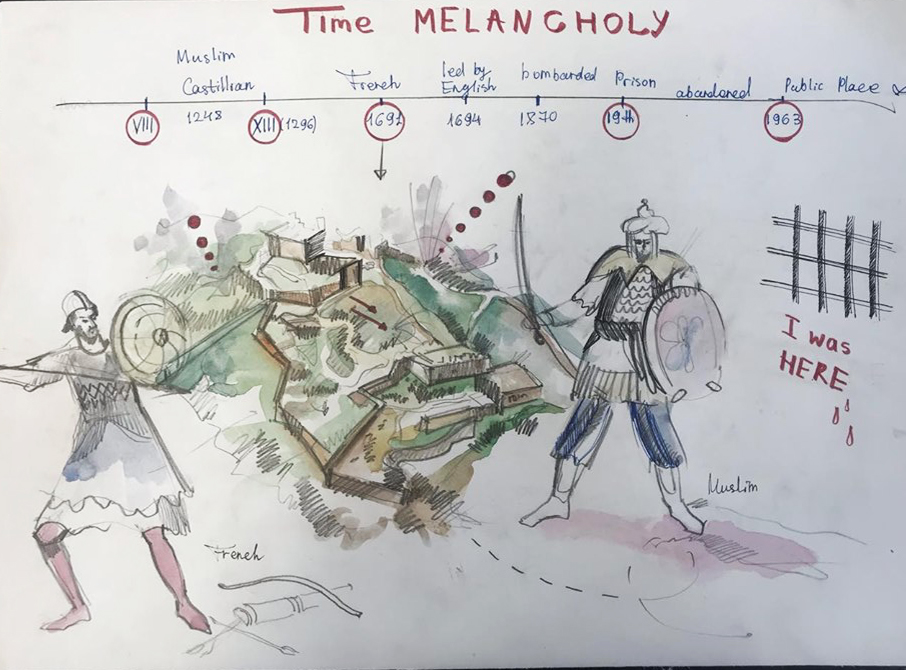
MELANCHOLY, CHAOS, TIME

final presentation.

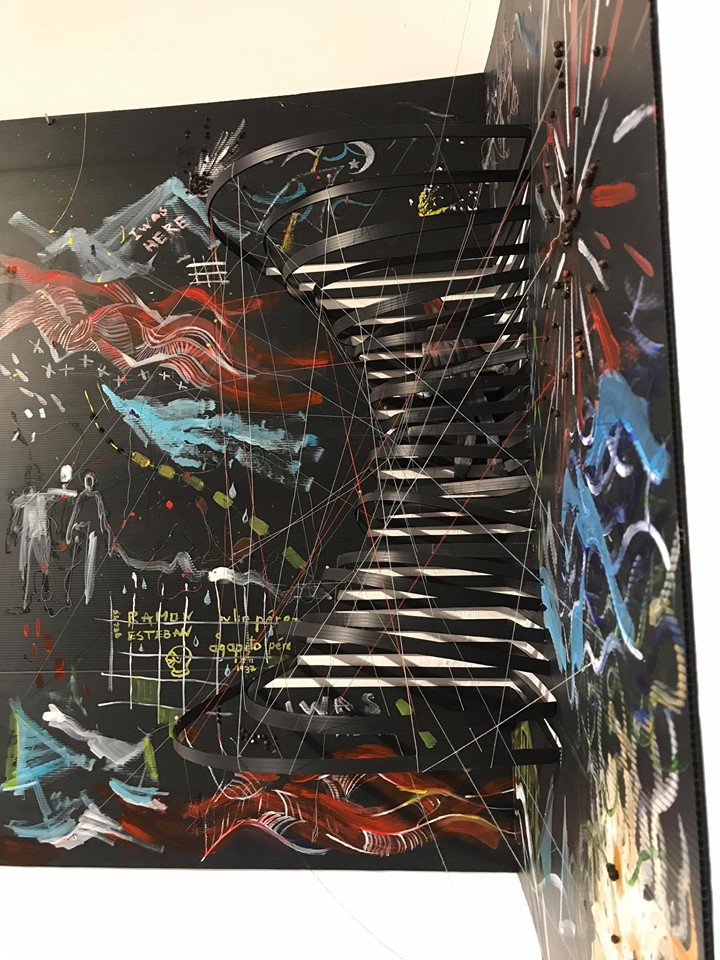
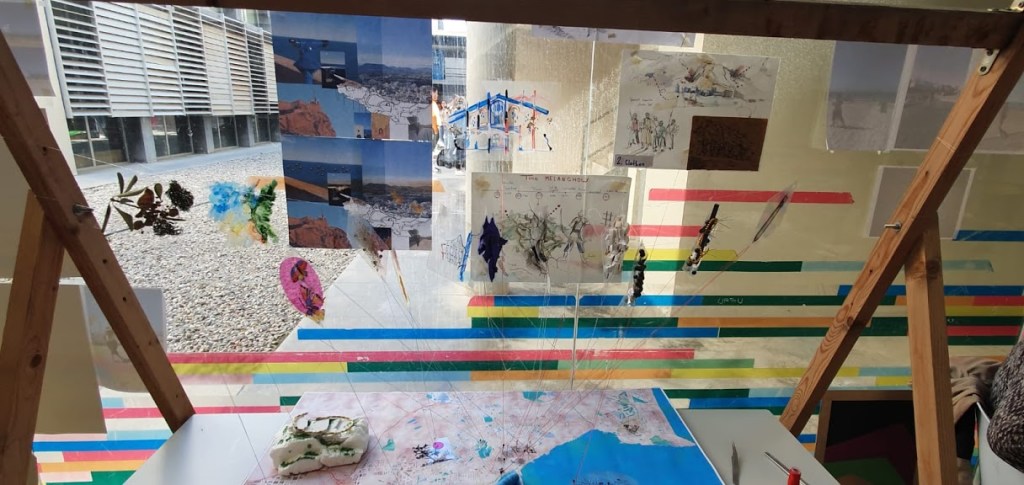
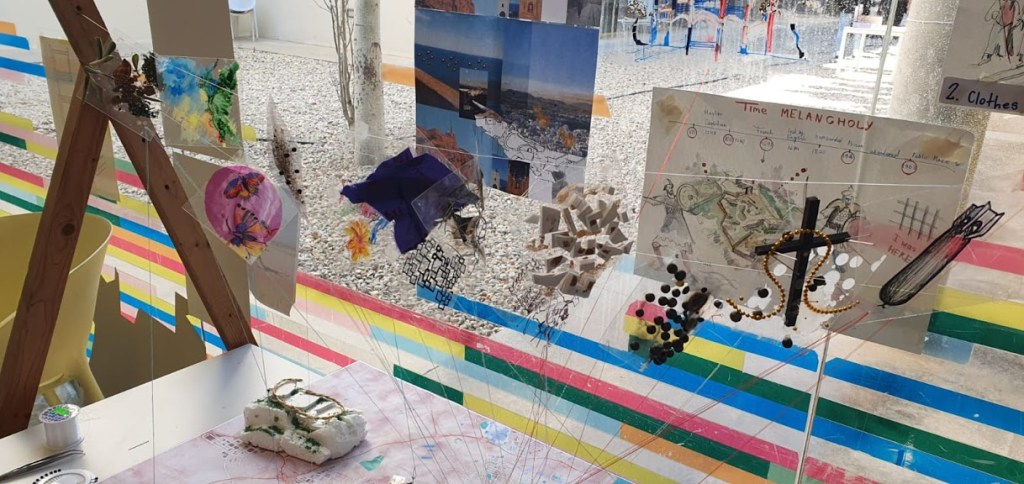
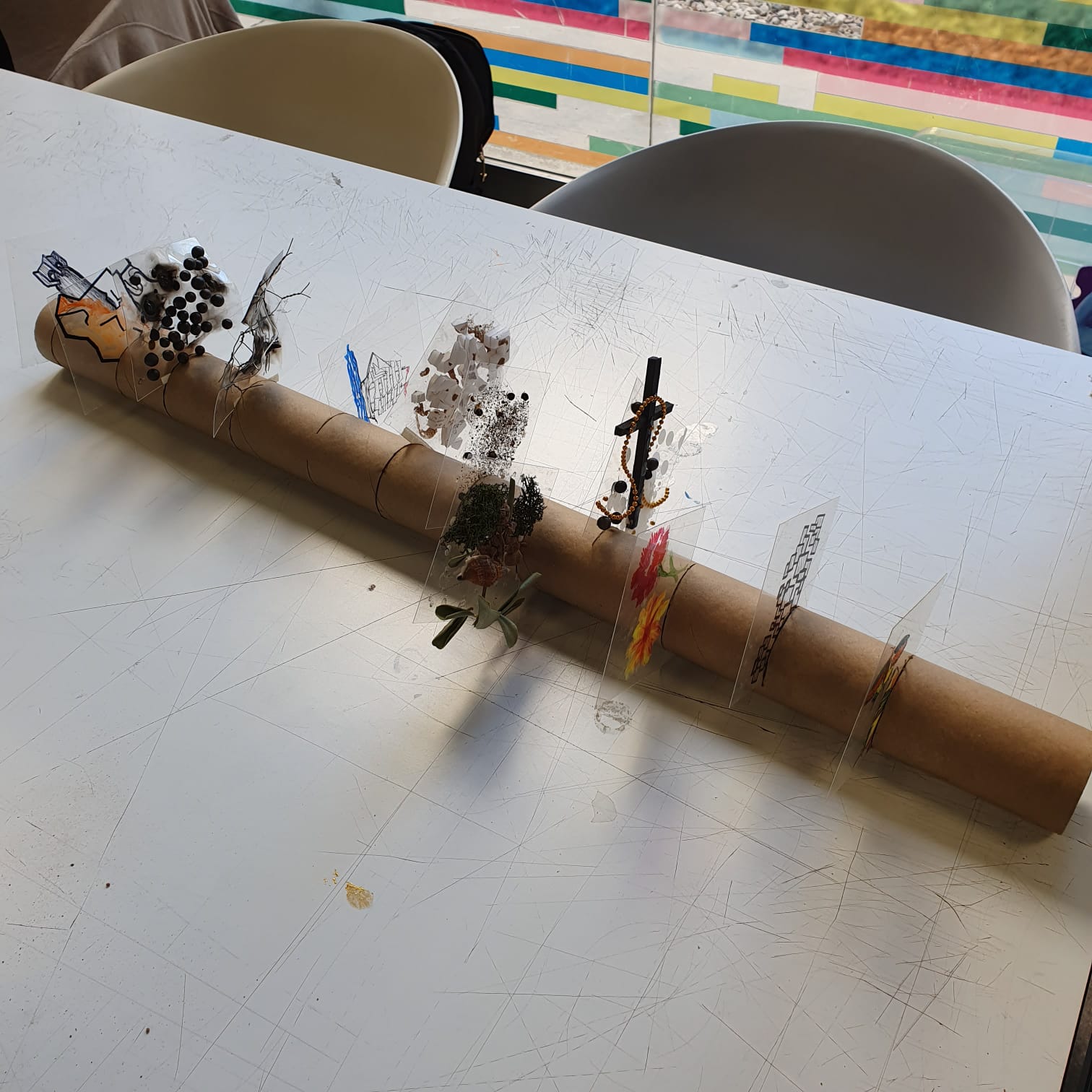
Our final presentation is based on what we were researching and making during this project.

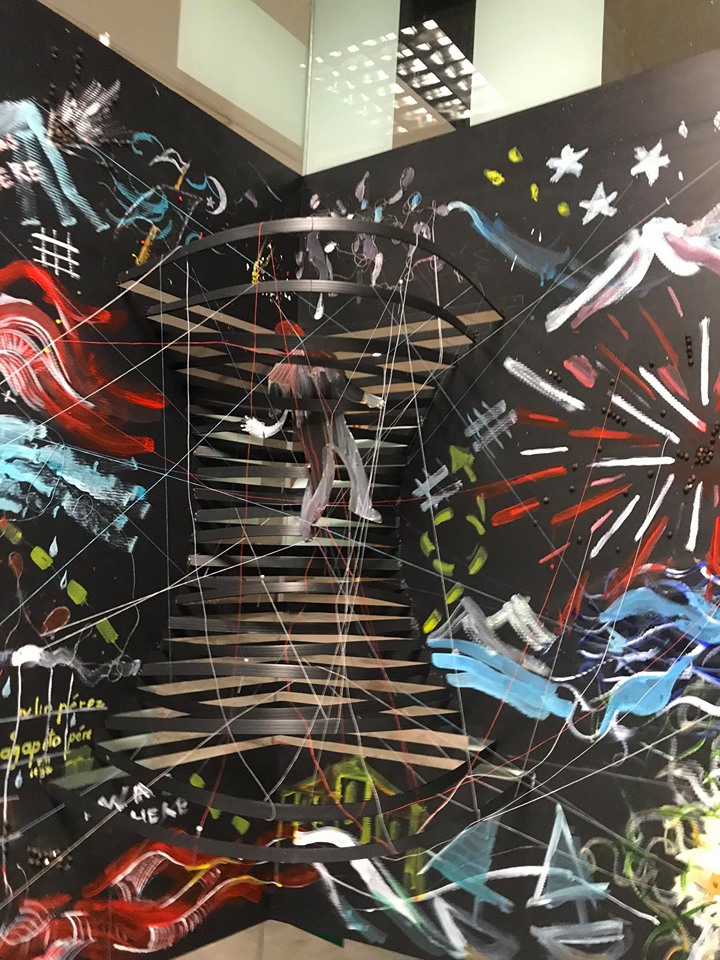
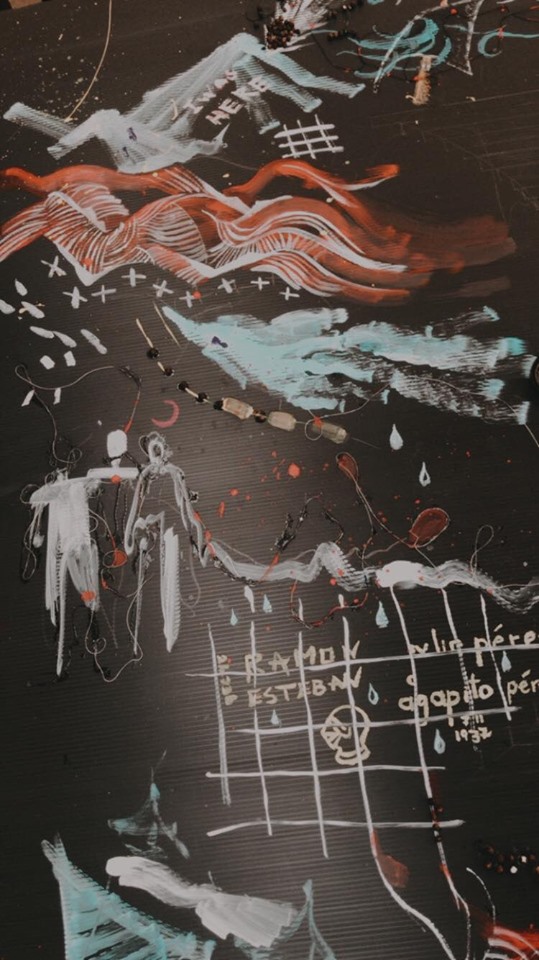
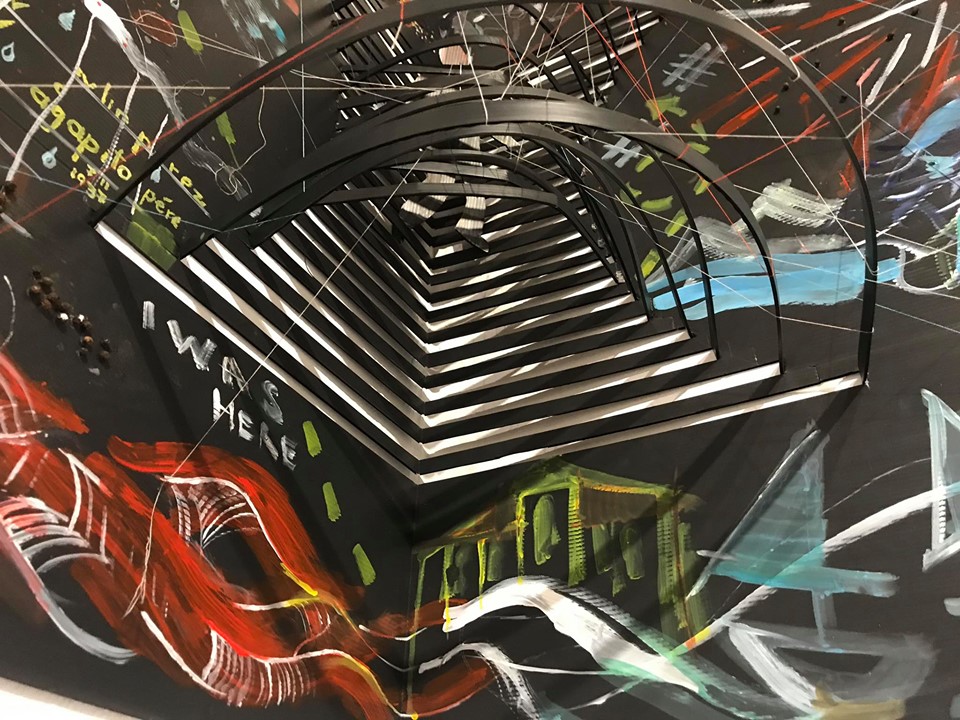
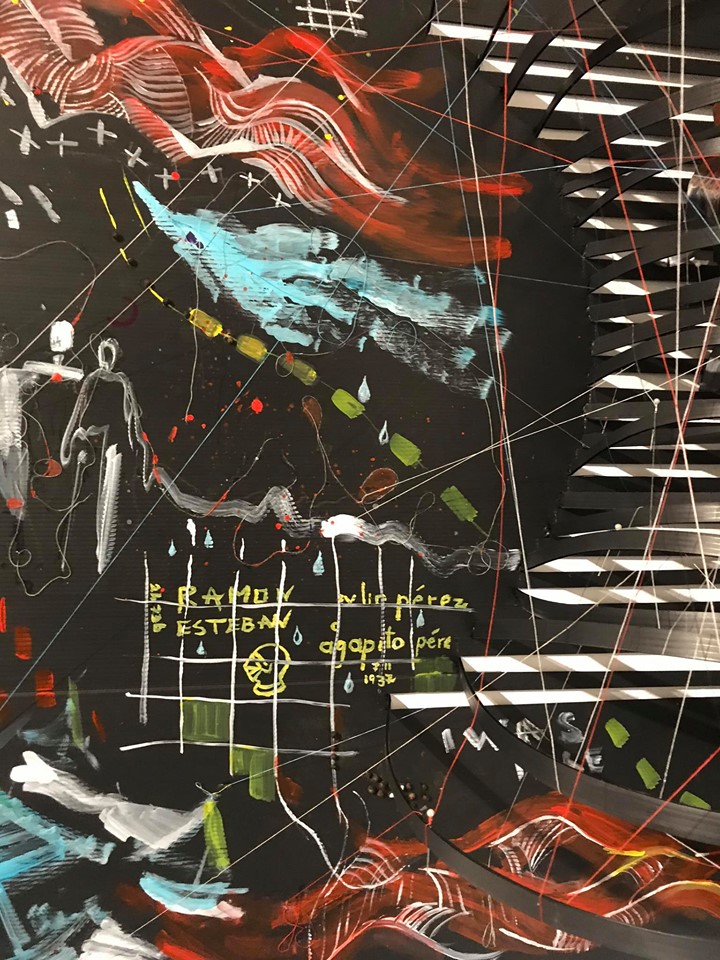
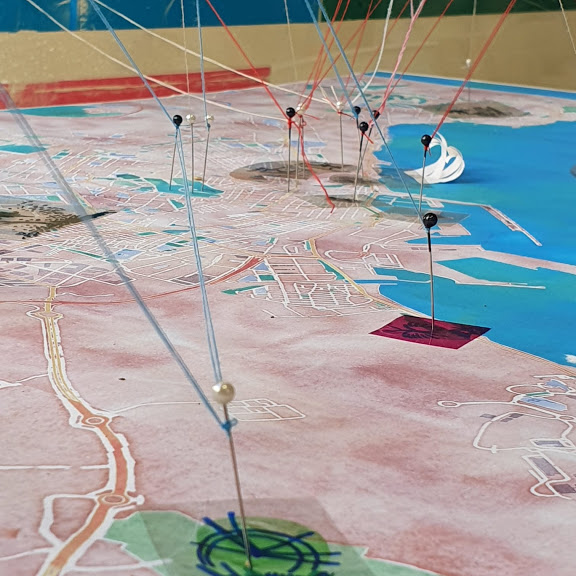
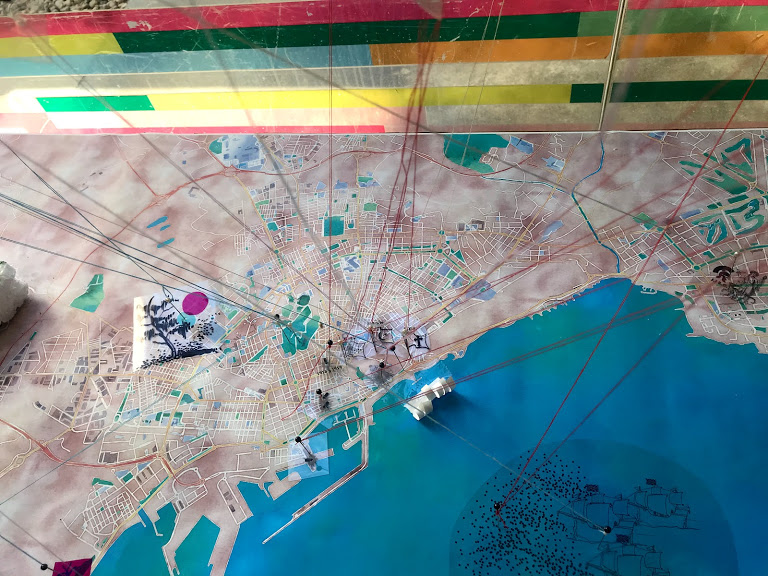
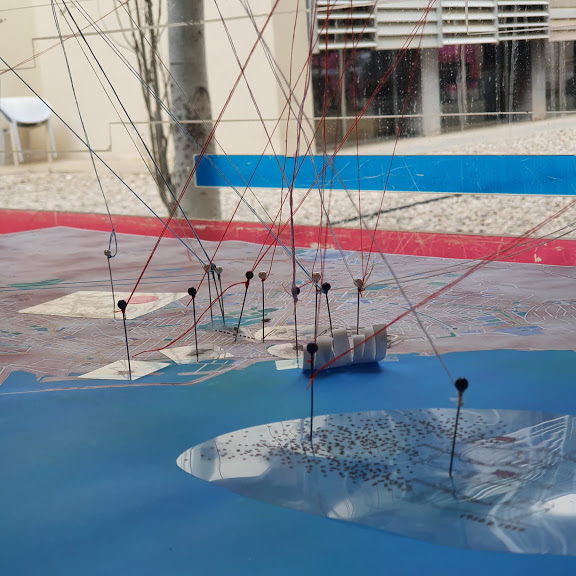
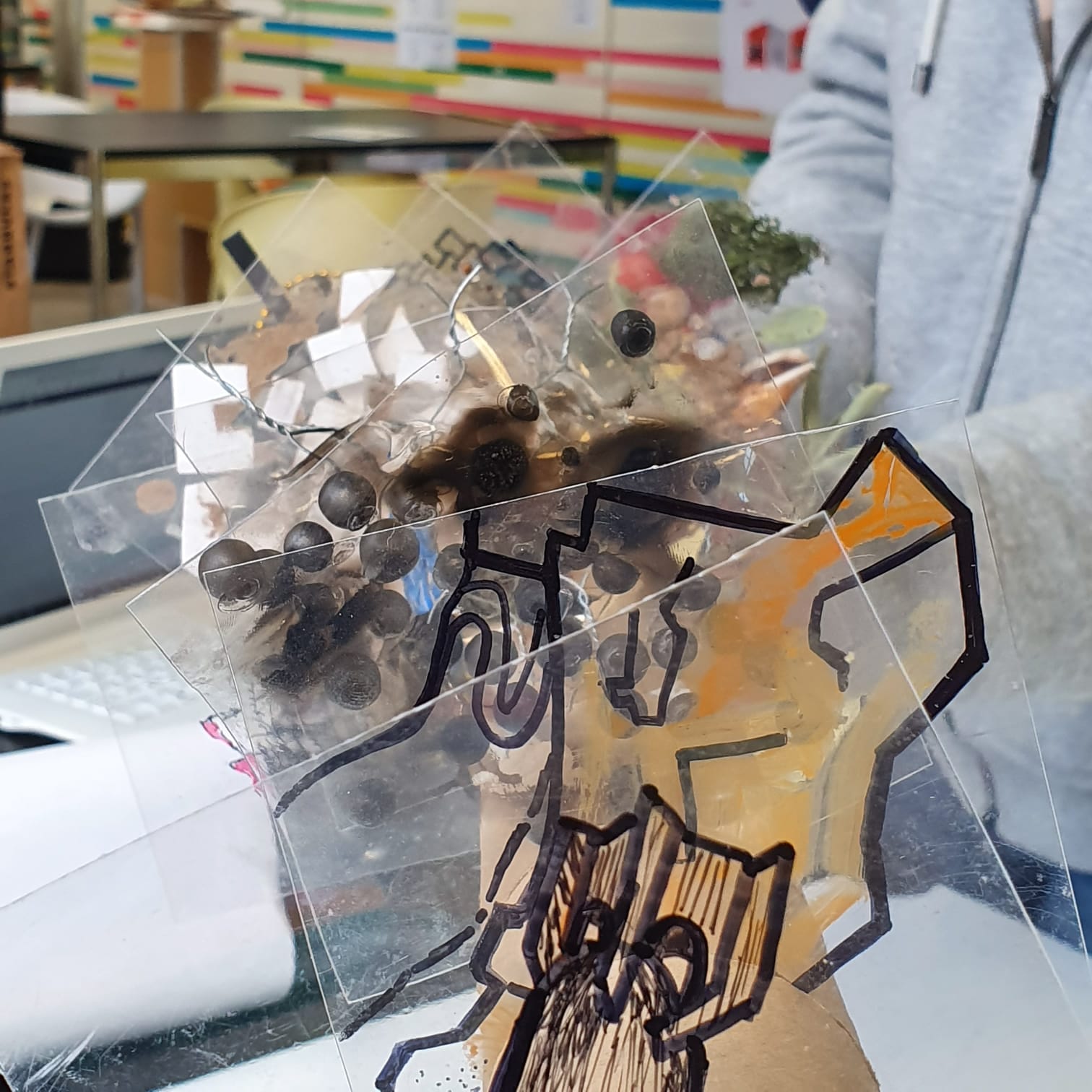
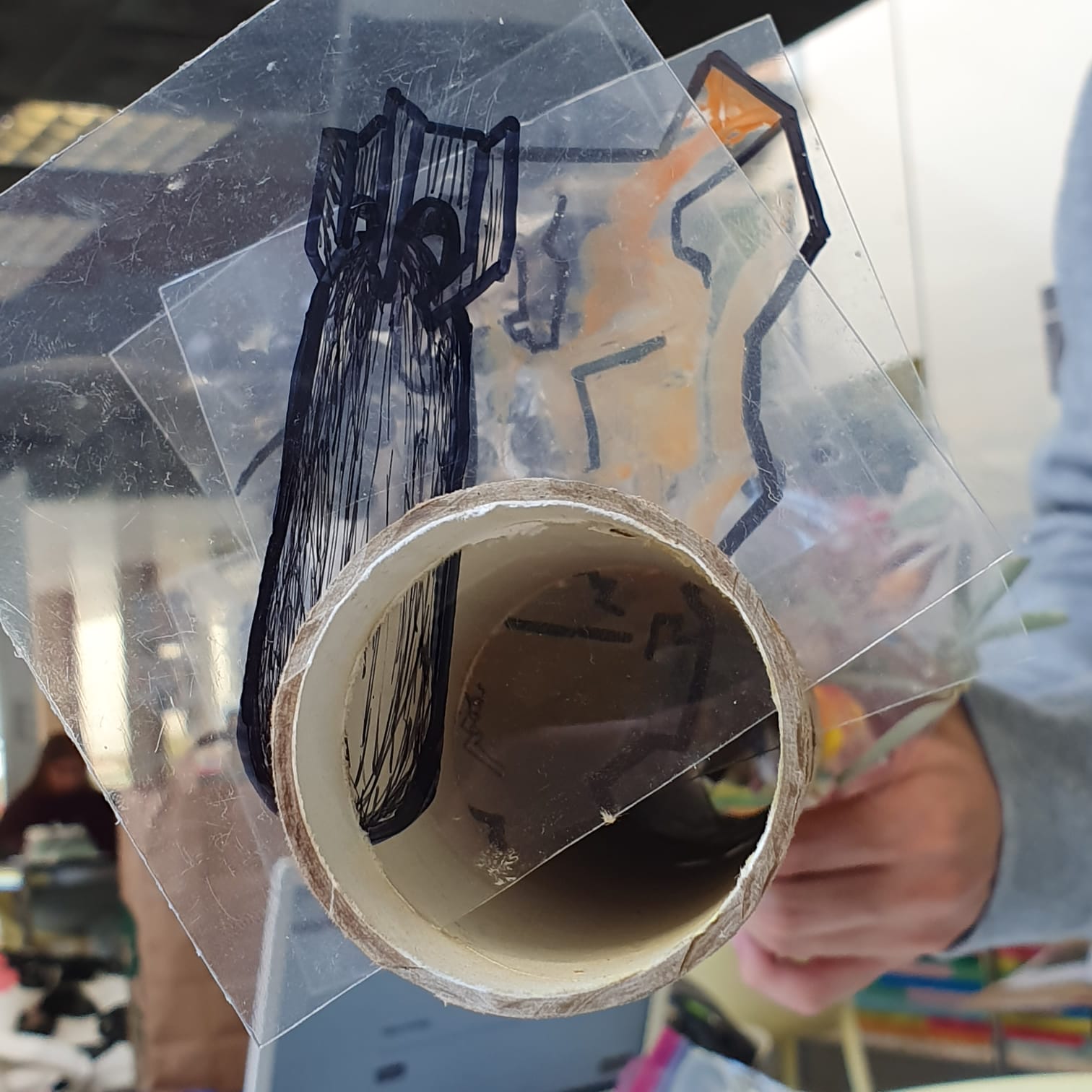
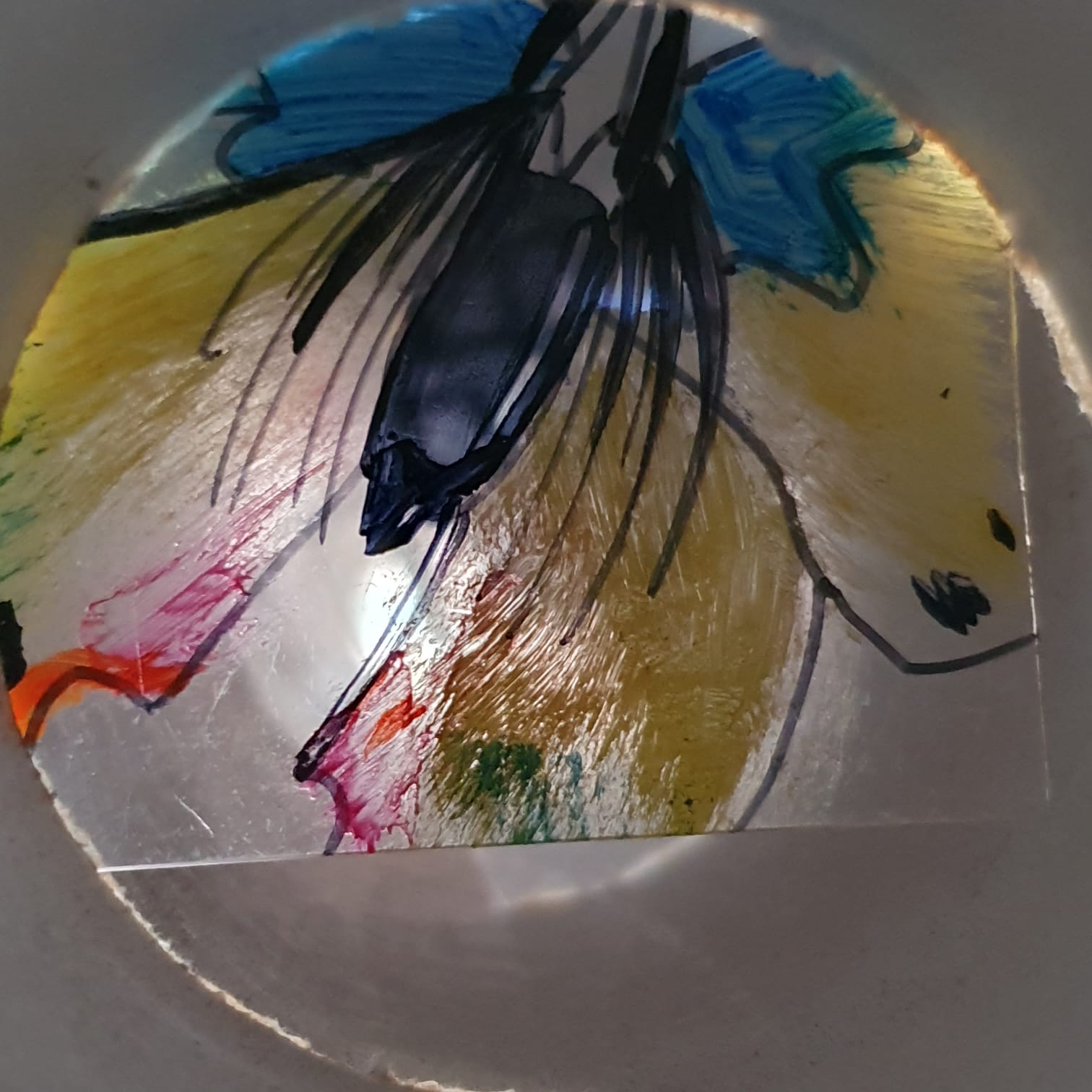
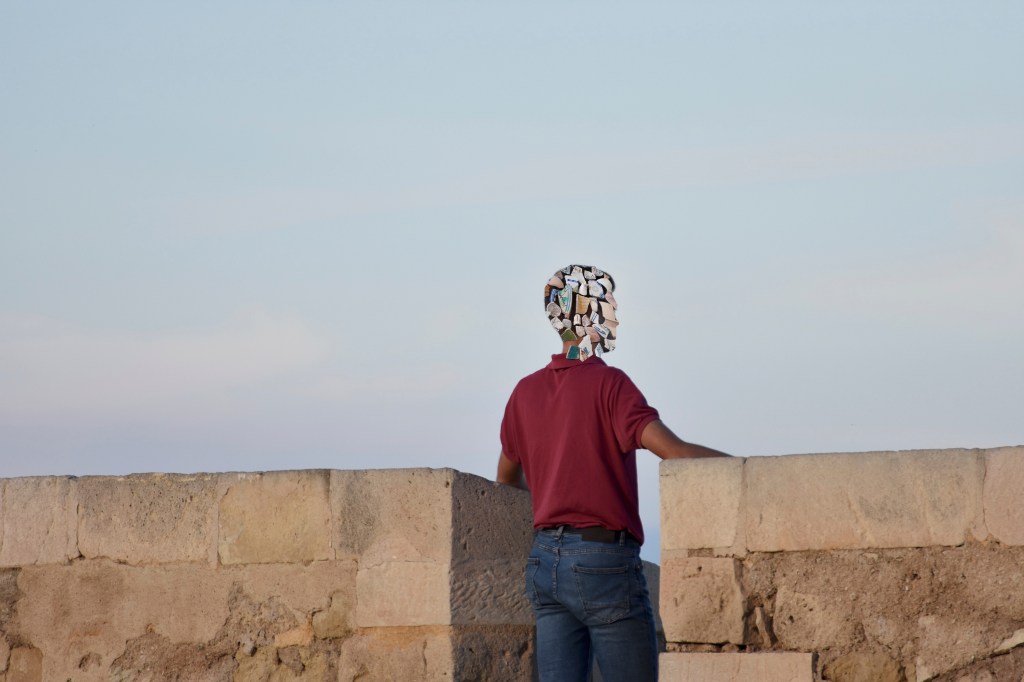
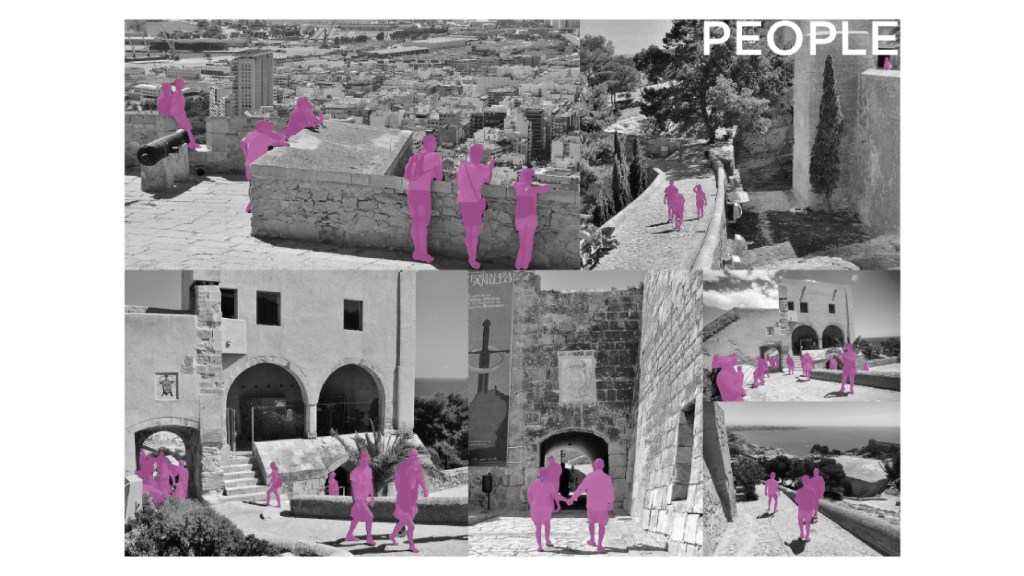
Our aim is to bring some melancholy to the people and also to revive history. We can call it a time line, which is not linear. Each of the drawing that we draw has there own background, even though that this actions and faces had happened in a different time, century, they are all connected, that why we used weirs, and in the center we can see persons it’s a us, everything is happening around us.

Modelling

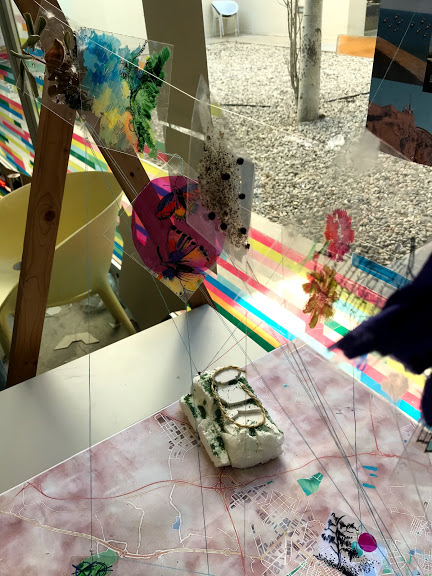
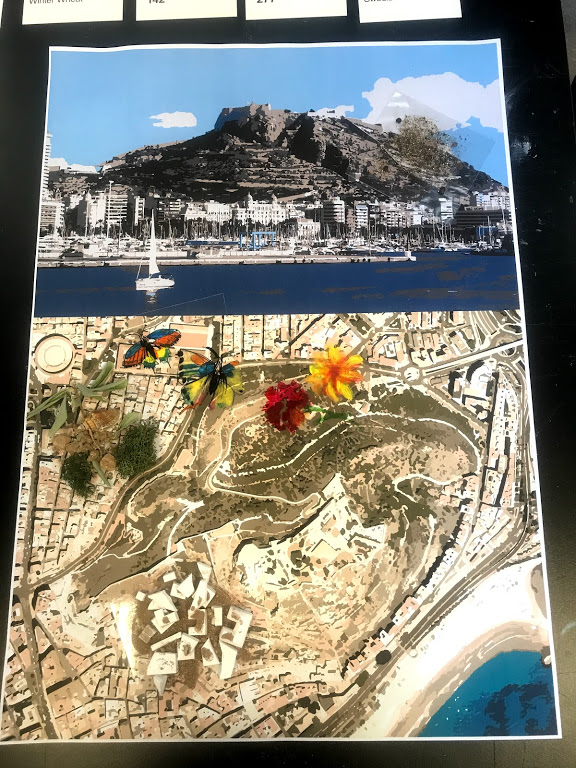
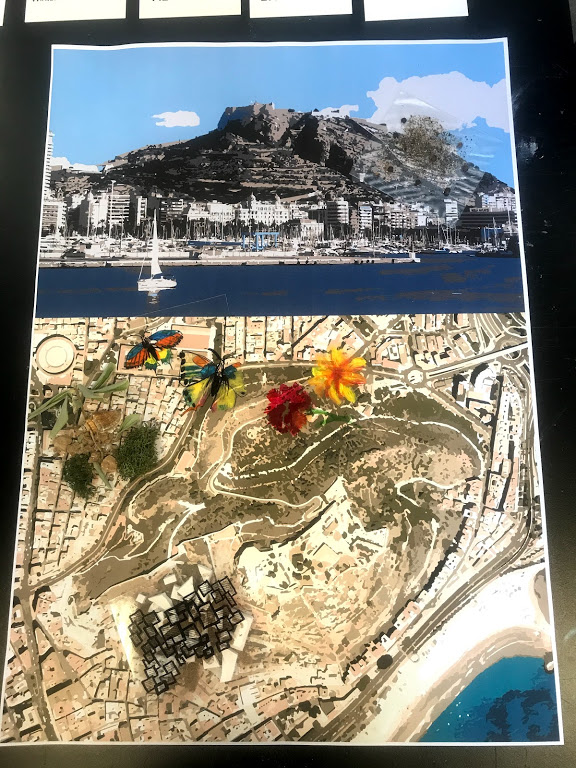
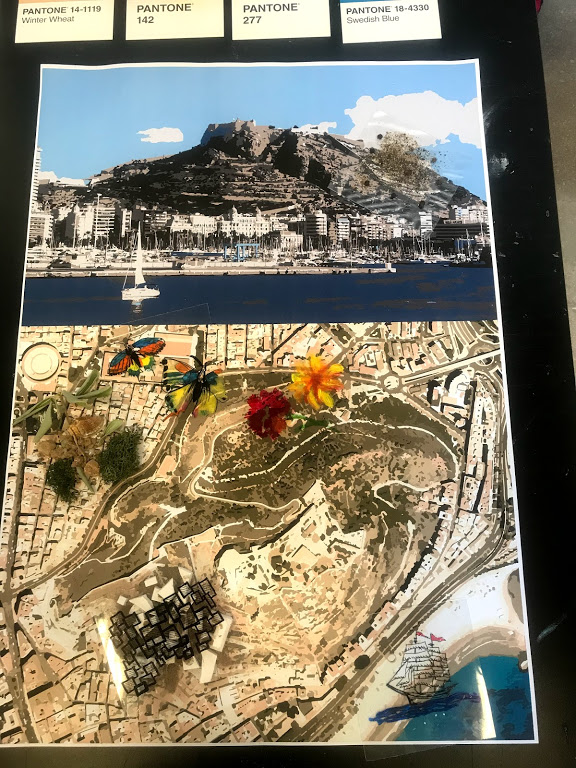
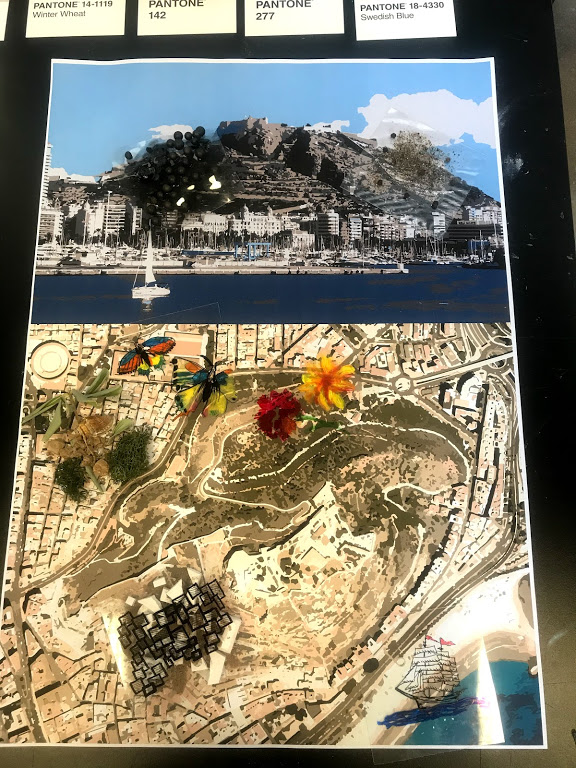
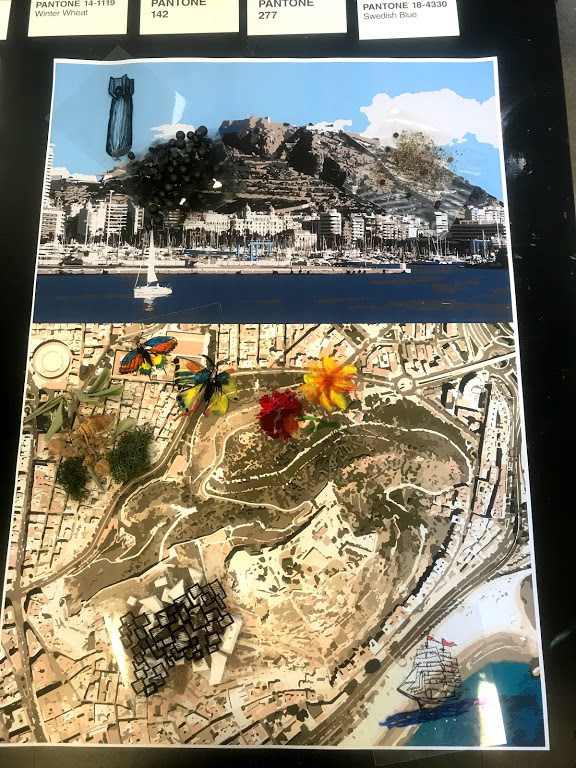
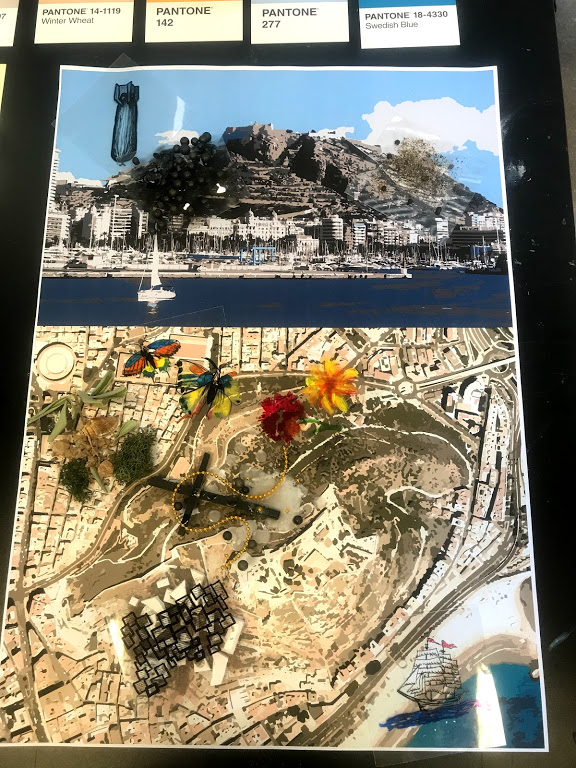
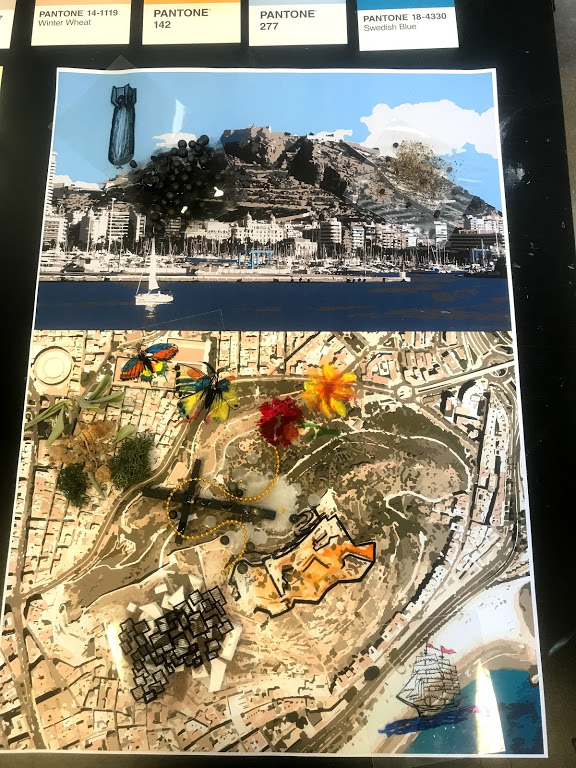
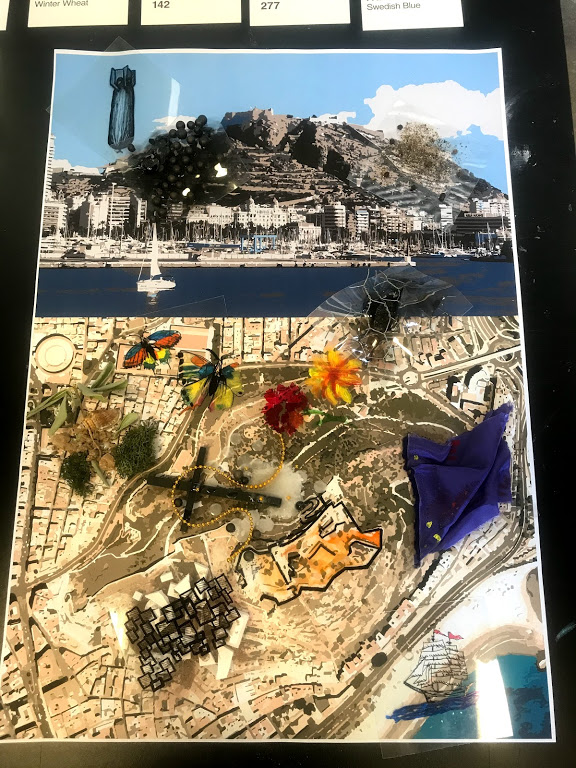
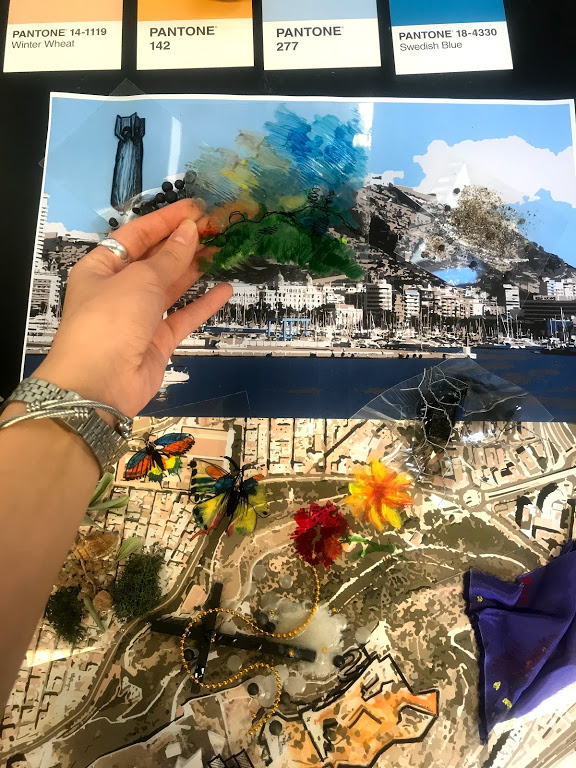
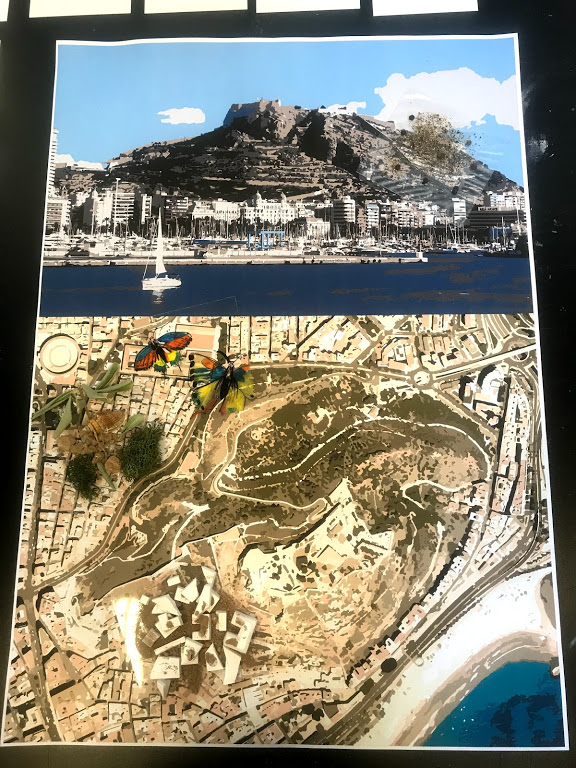
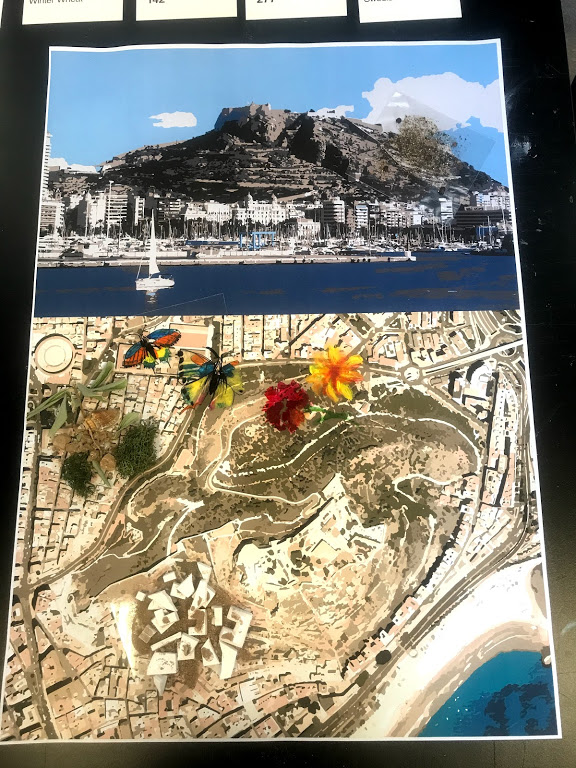
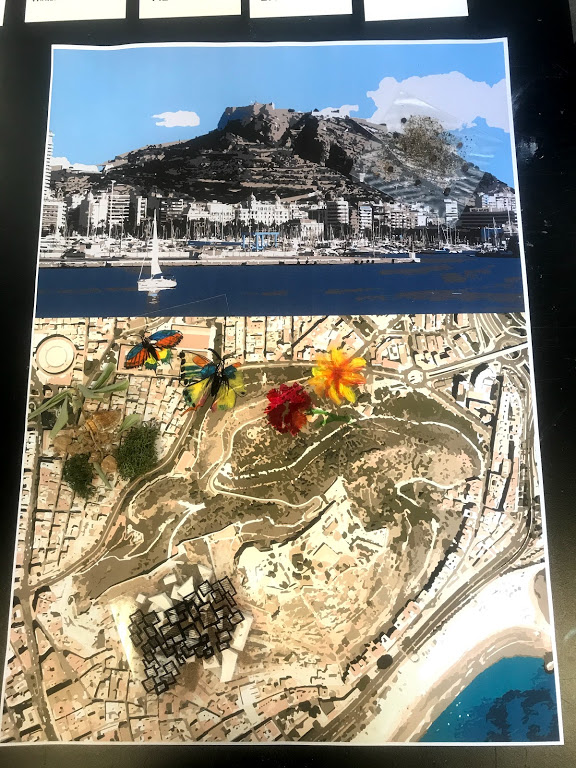
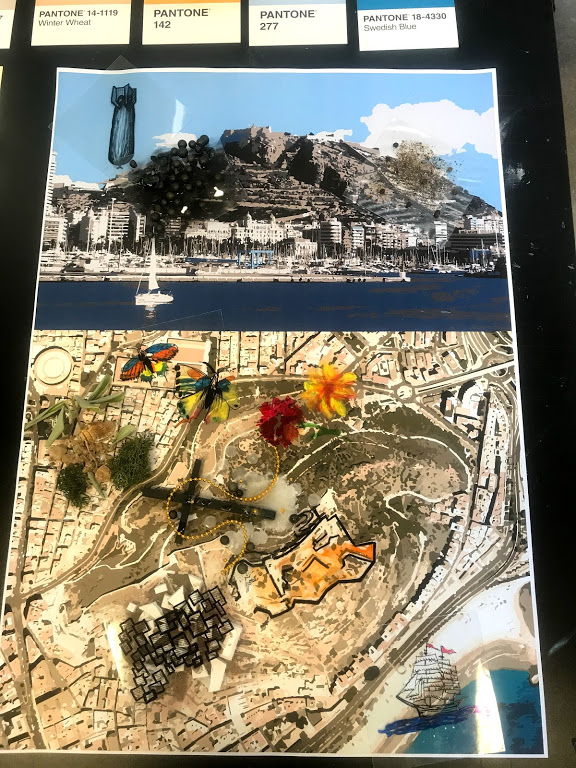
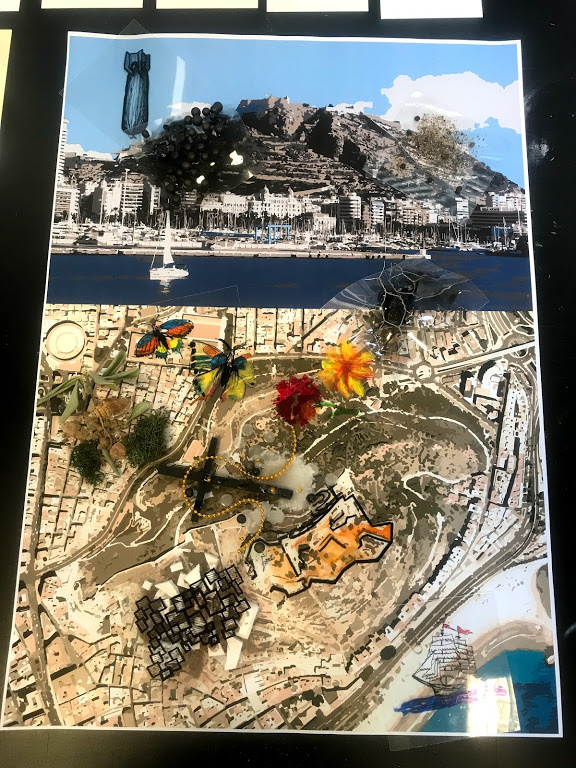
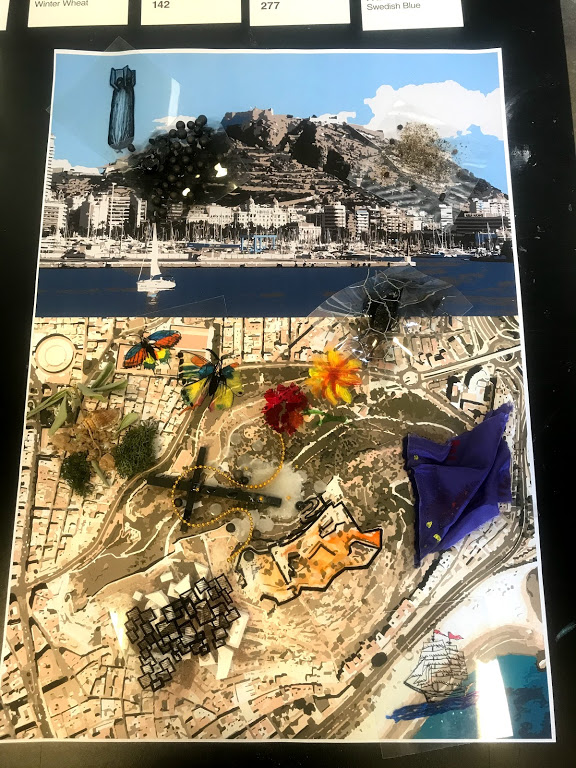
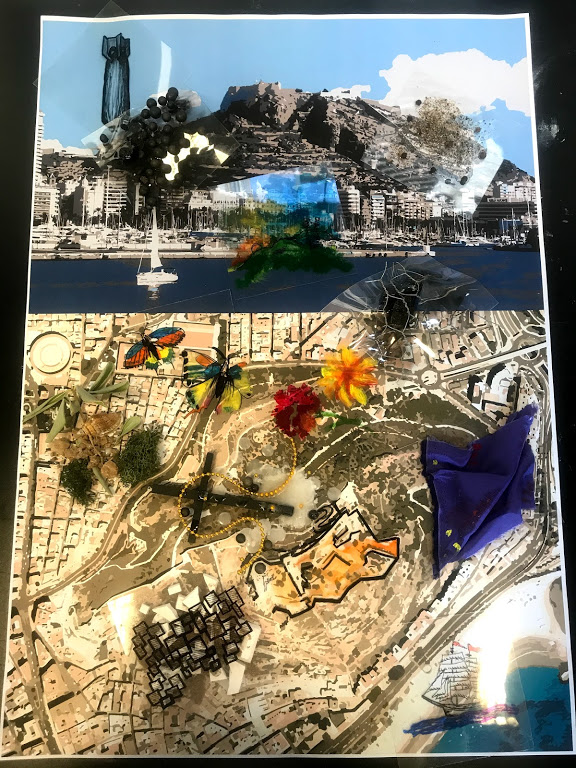
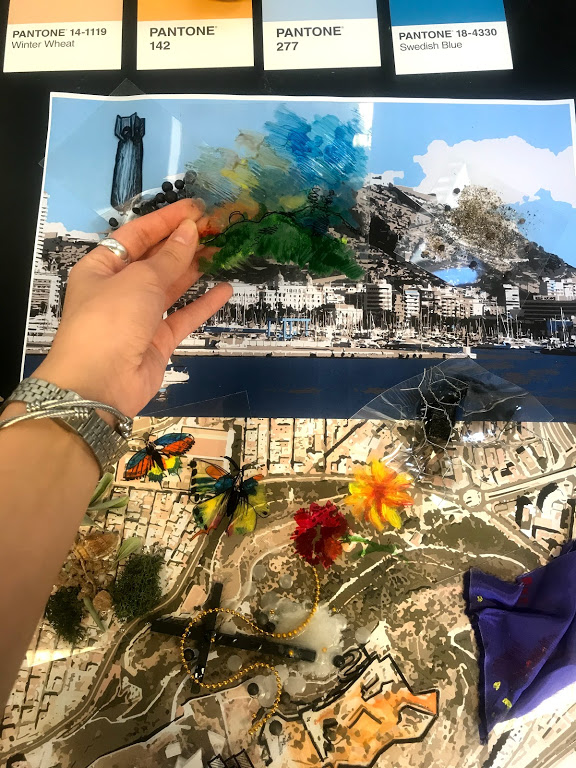
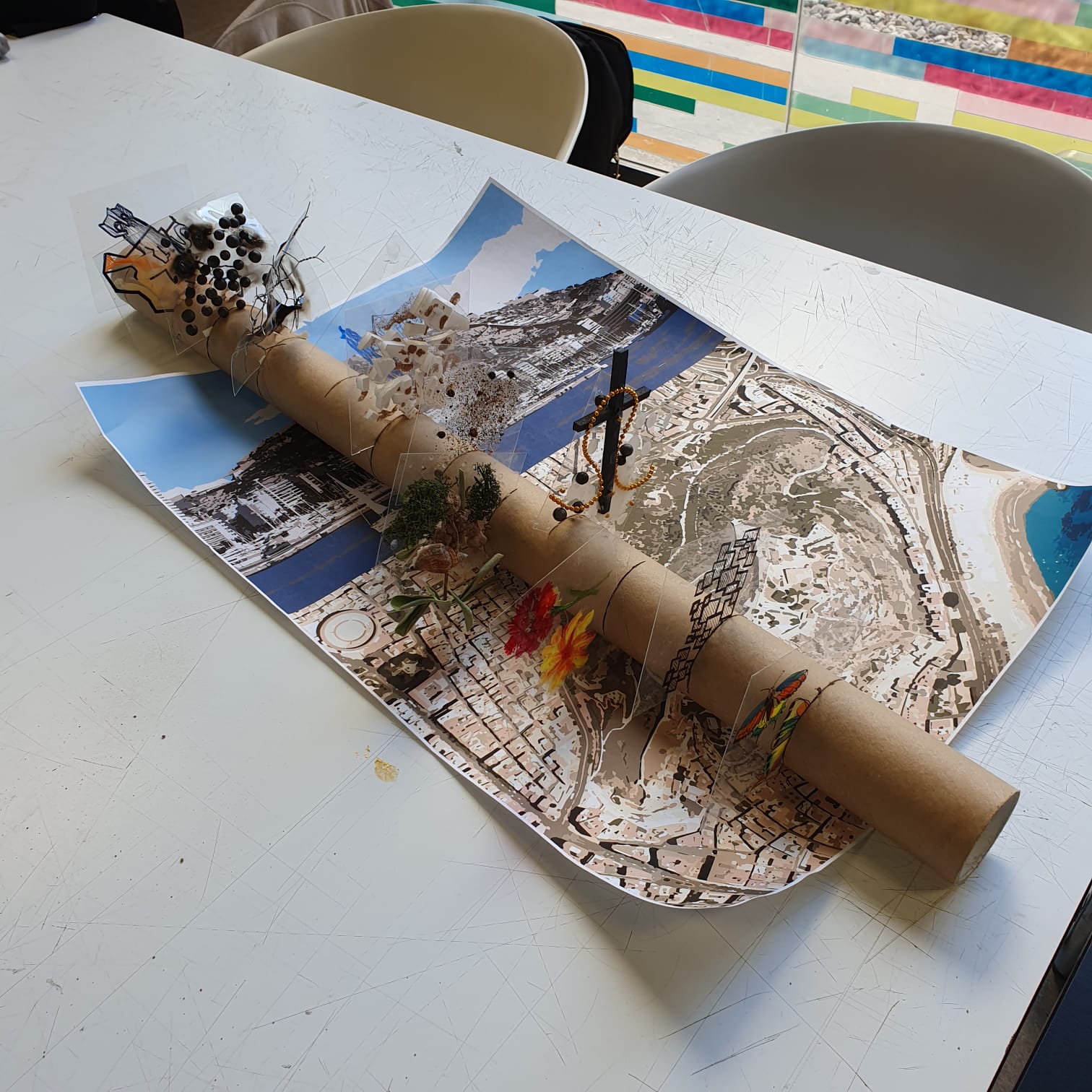
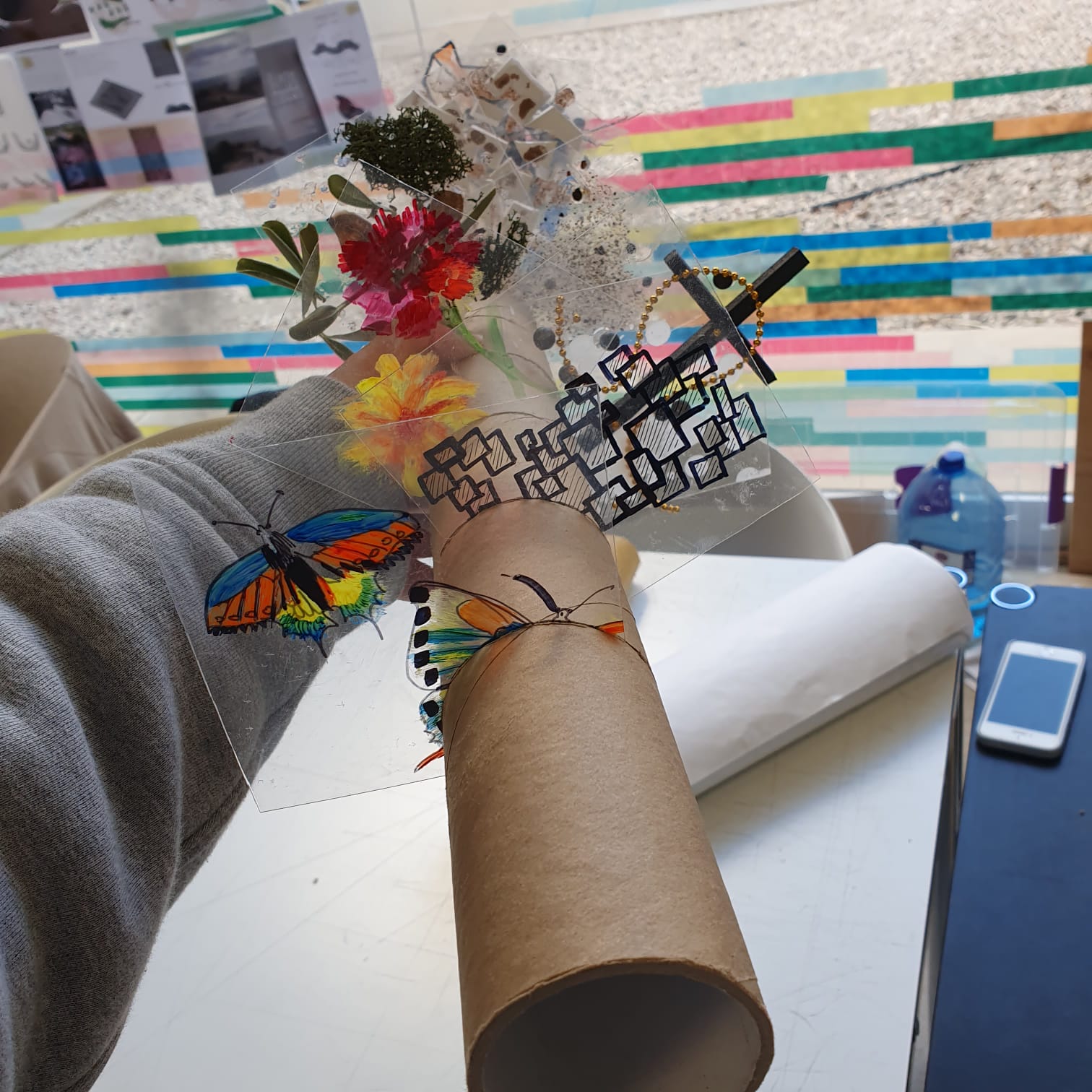
We began to think about how we could bring our ideas together, and depict the union of thoughts through a model. Ultimately, our goal was to encourage local people to visit the castle more, and use the space as a tool to create a community meeting place. We also intended on inspiring a conversation between locals about environmental issues within alicante, in order to use the castle as a tool for positive change. We decided to focus on the journey towards the castle, and the textures that change throughout it. This was to highlight the beauty of the changing journey up to the castle. The model was made from 100% recycled materials, in order to underpin the environmental focus of the project. We propose that community gardens will be planted within this space, with the sole responsibility of these spaces being placed on different community groups within Alicante.

However, from the feedback we have questioned whether it is successful when community participation is inflicted onto a city. In the steps going forward, we will work to think about how we might tackle this.
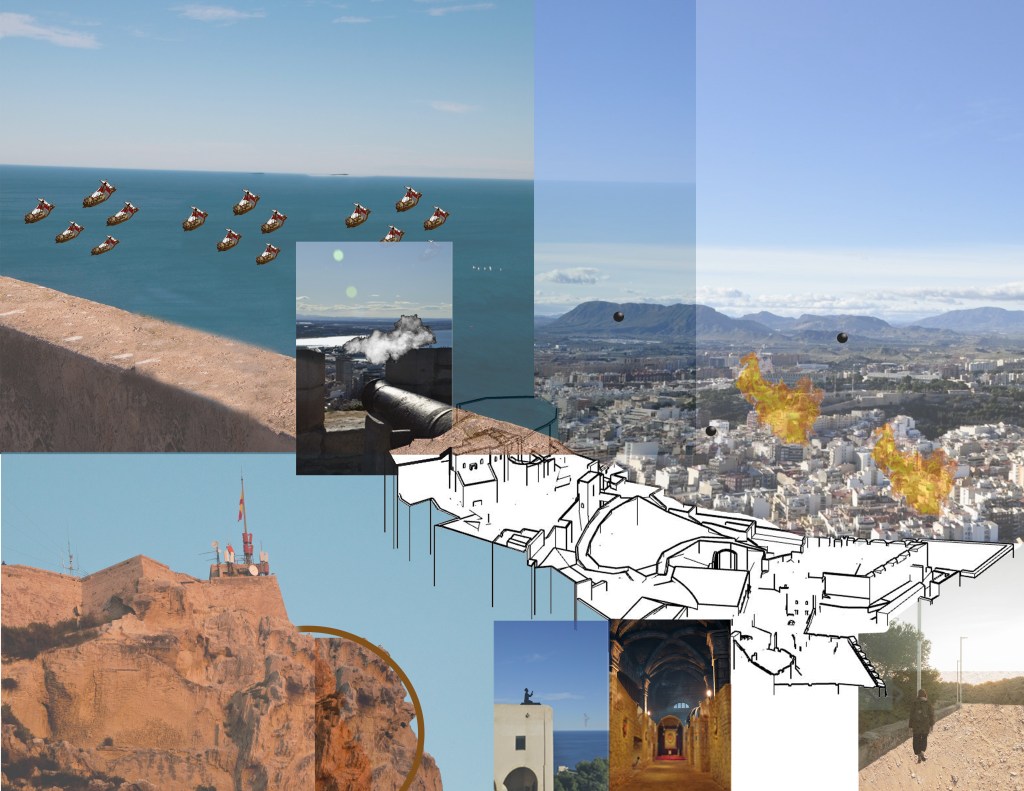
Map of time

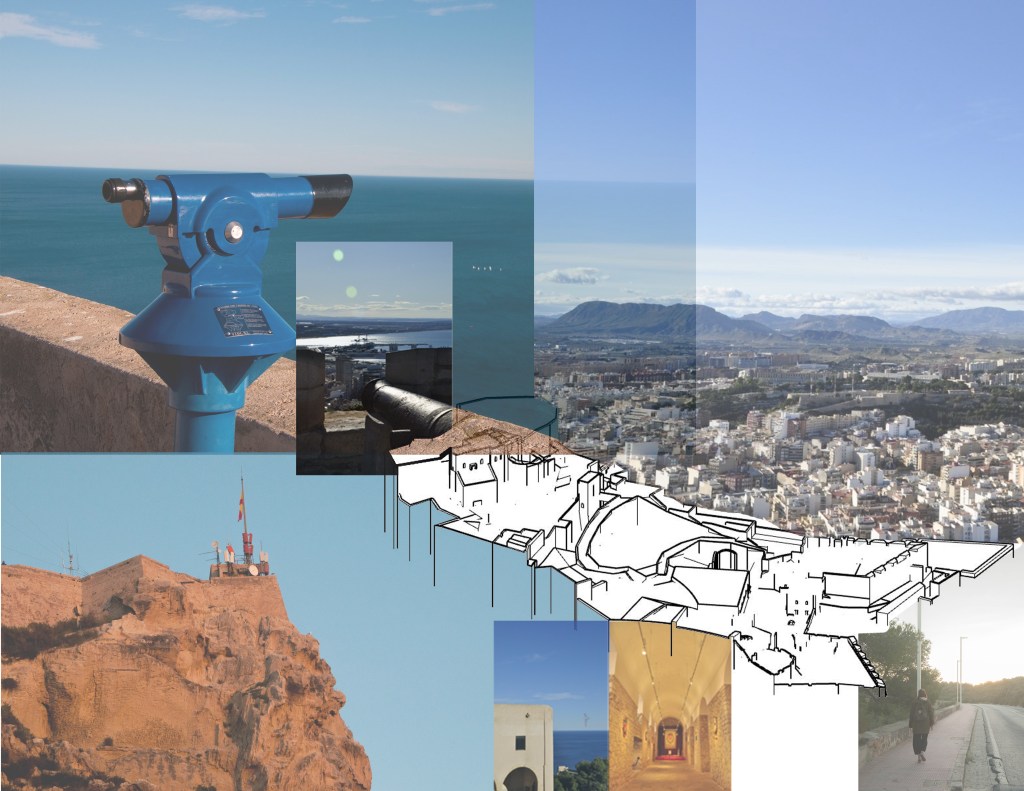
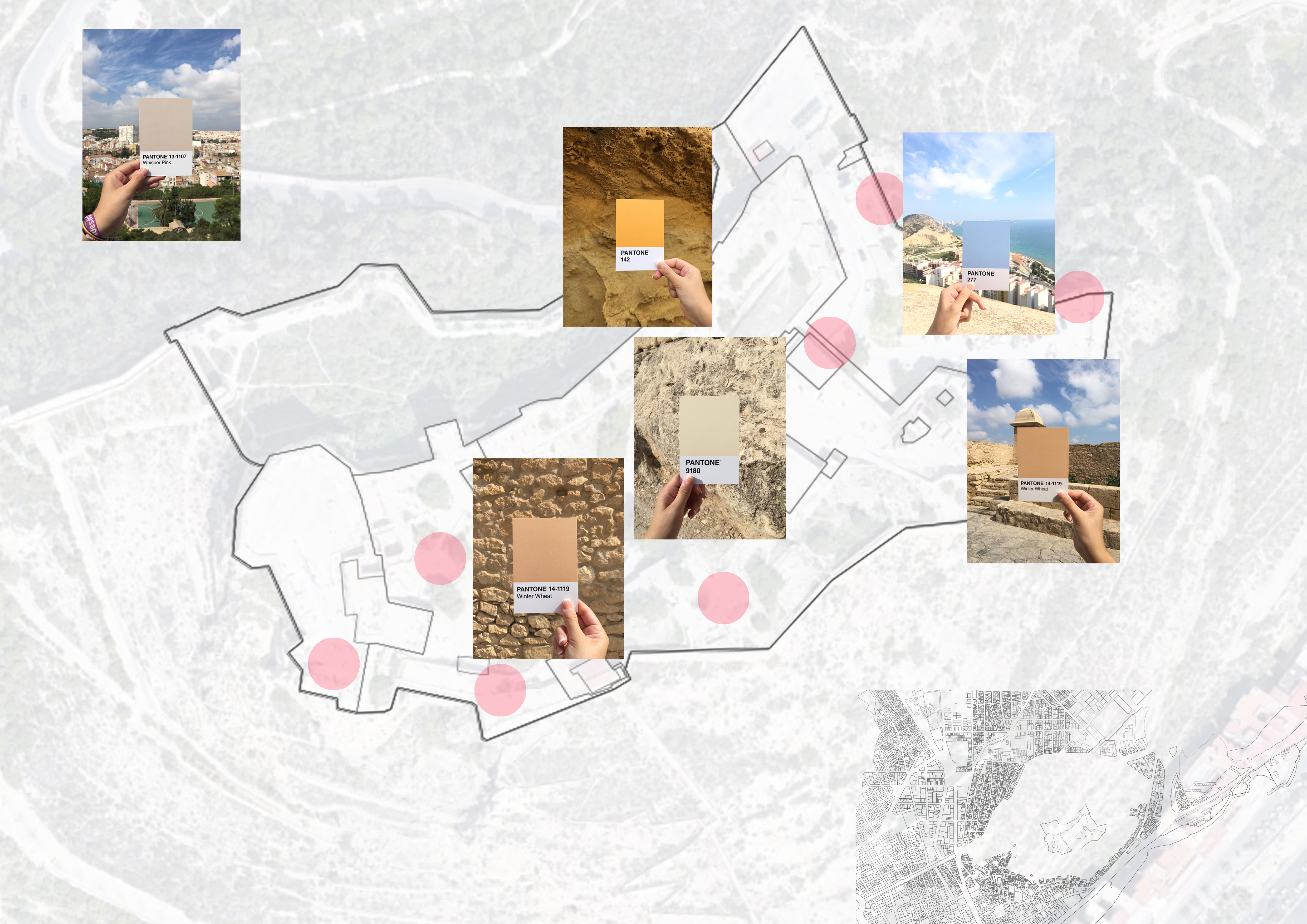
There are many memorable places in this castle. It is now covered with elements that have lost their roles and modern ones.

The modern look of castle we felt as we went up a long distance would have been different from the past.

The cannons are fired at the surging invaders. More than before, any place in the castle would have been used as a place for Muslims to pray.

Nevertheless, what we can now imagine from the present castle is that the senses of the past are still in the castle.

So we mapped the elements of the castle.

Scaling Castillo de Santa Barbara

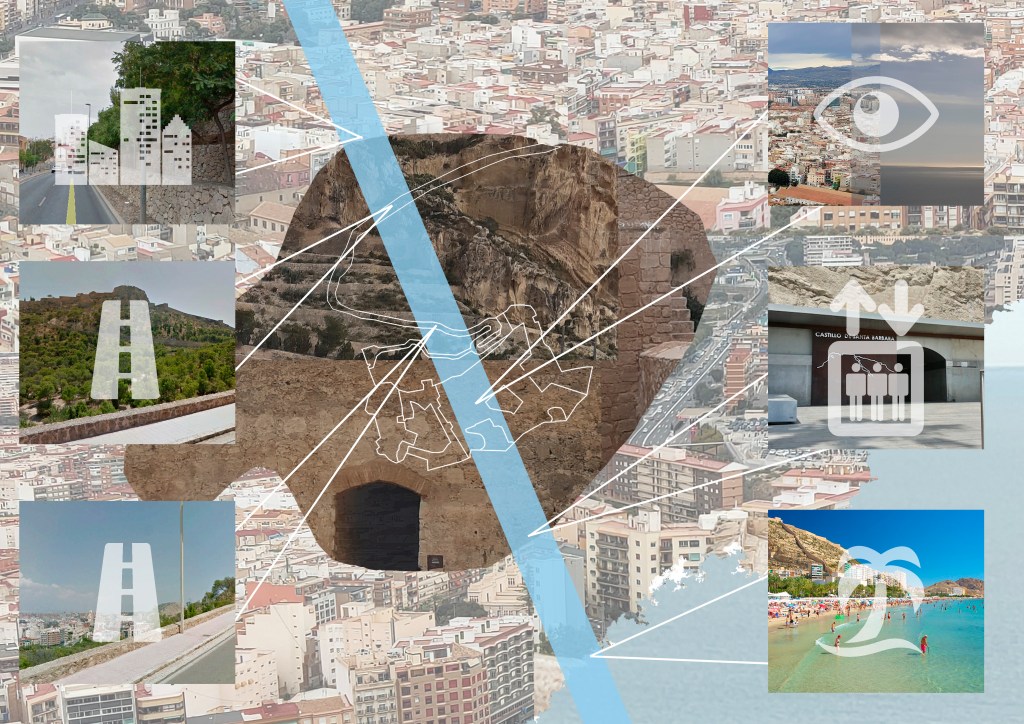
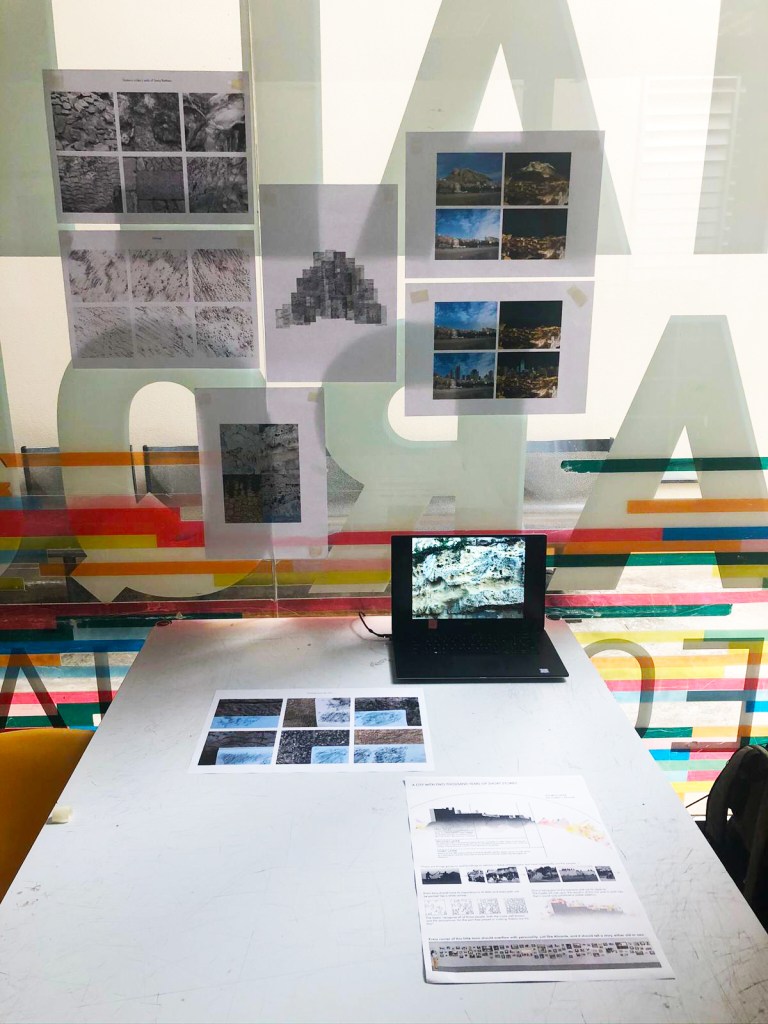
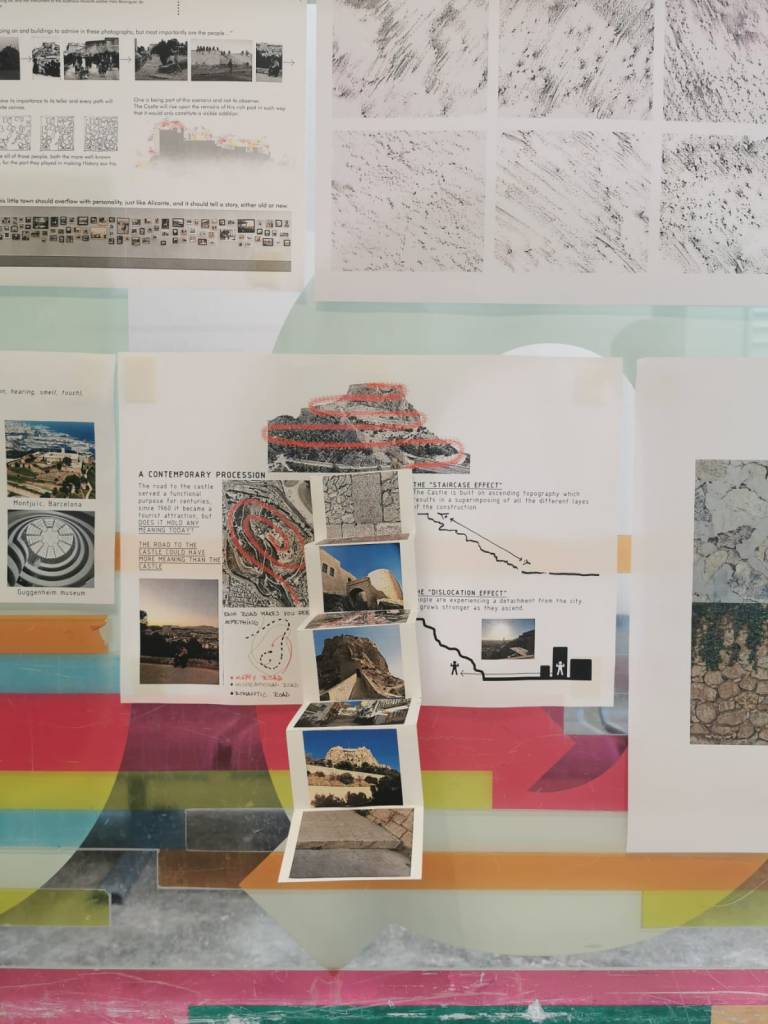
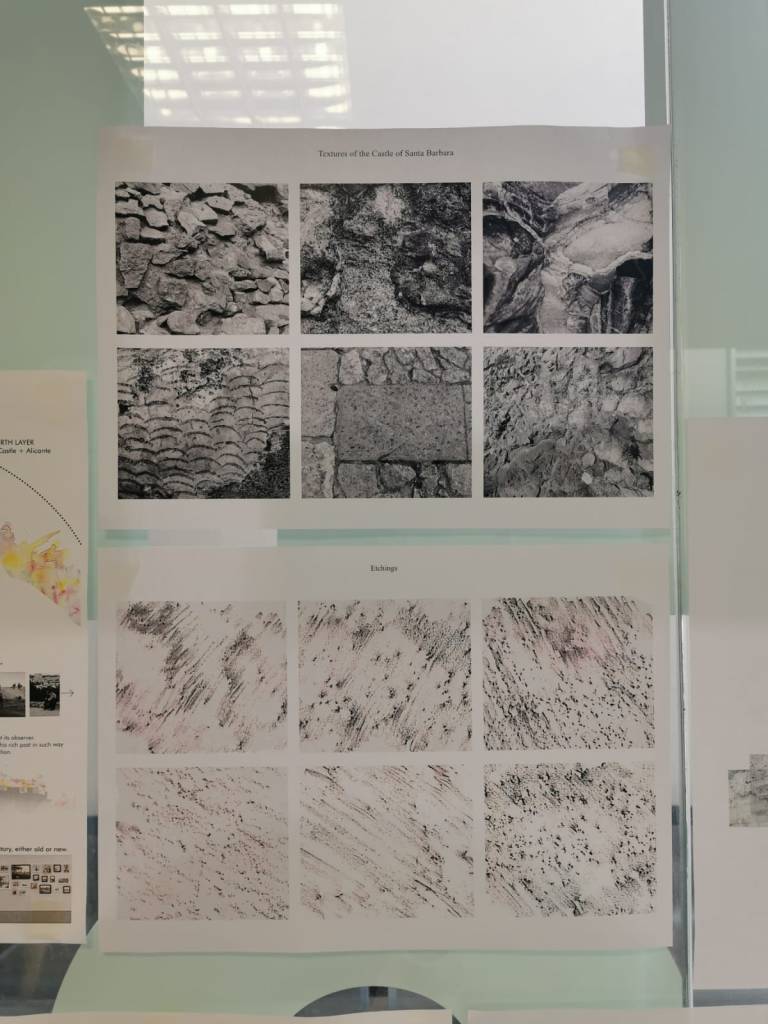
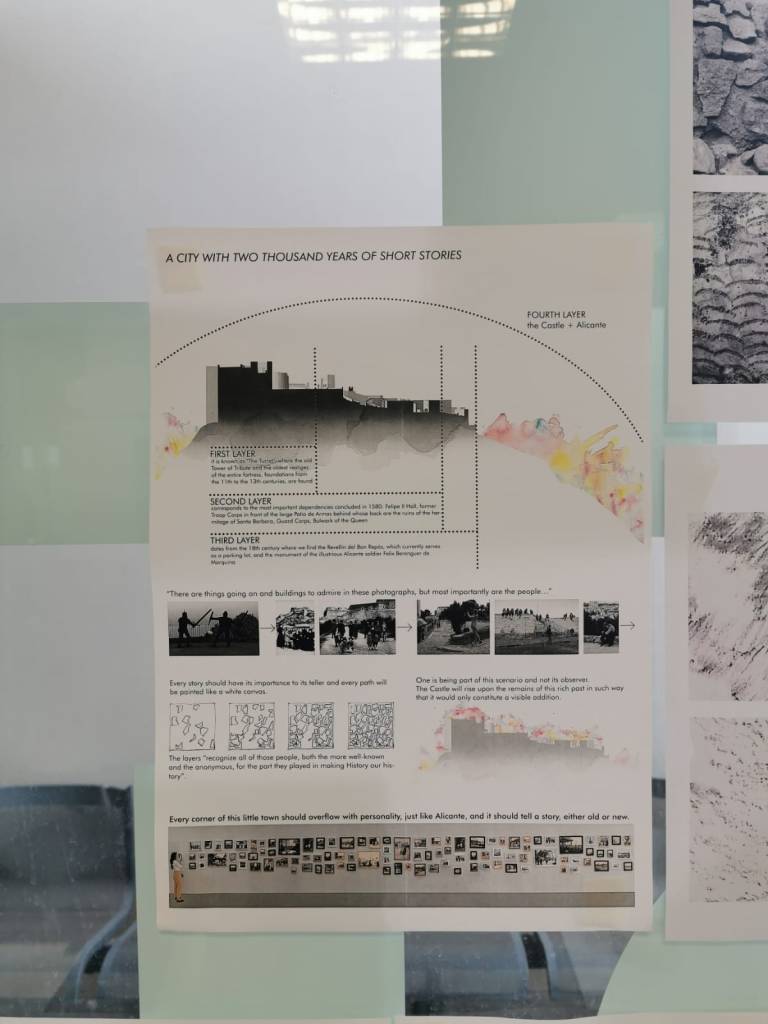
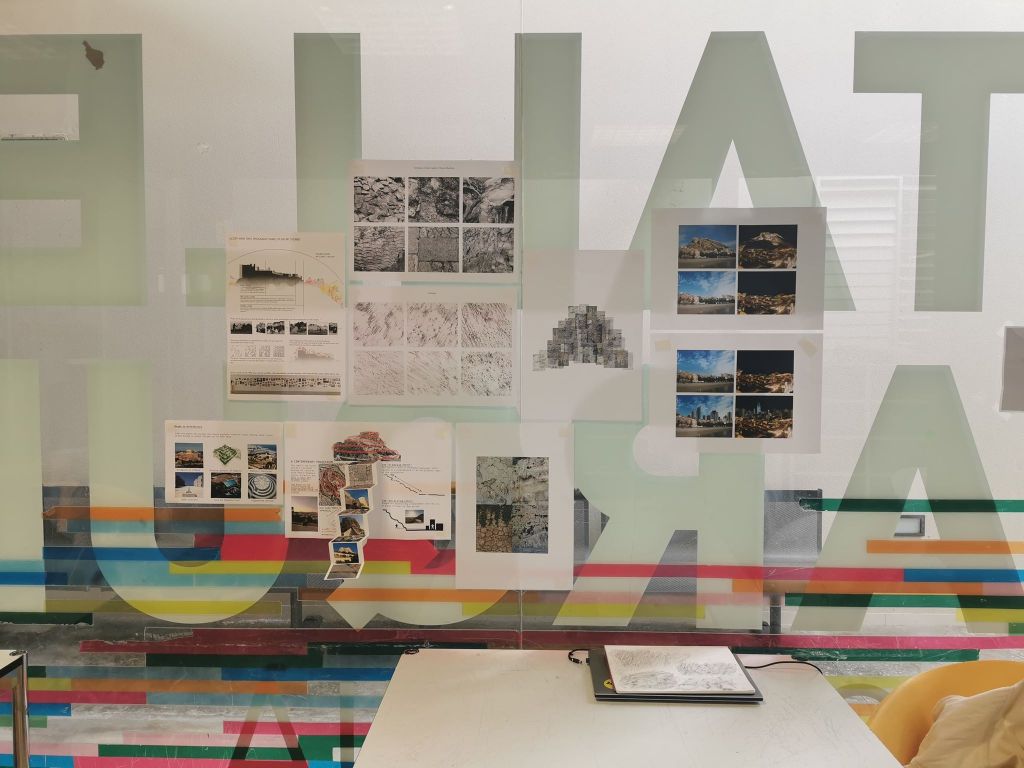
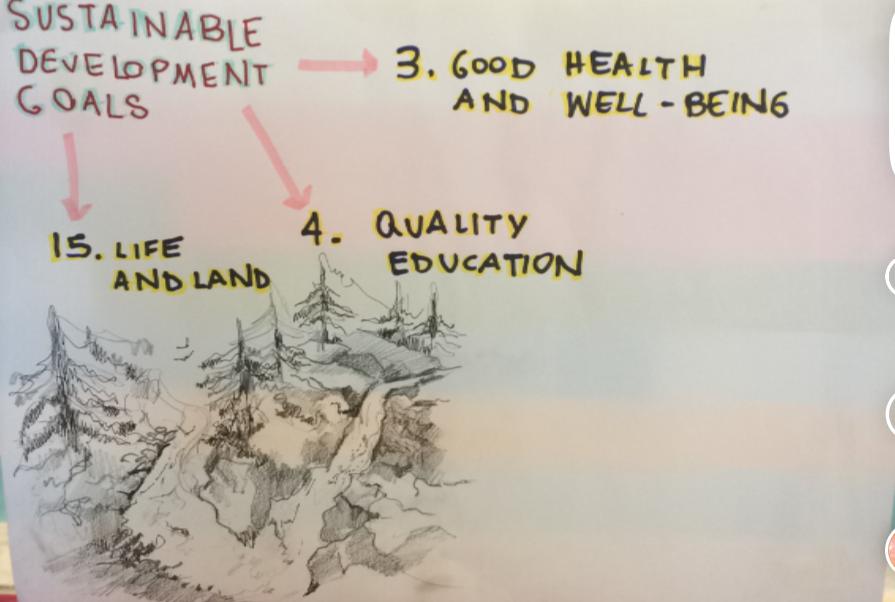
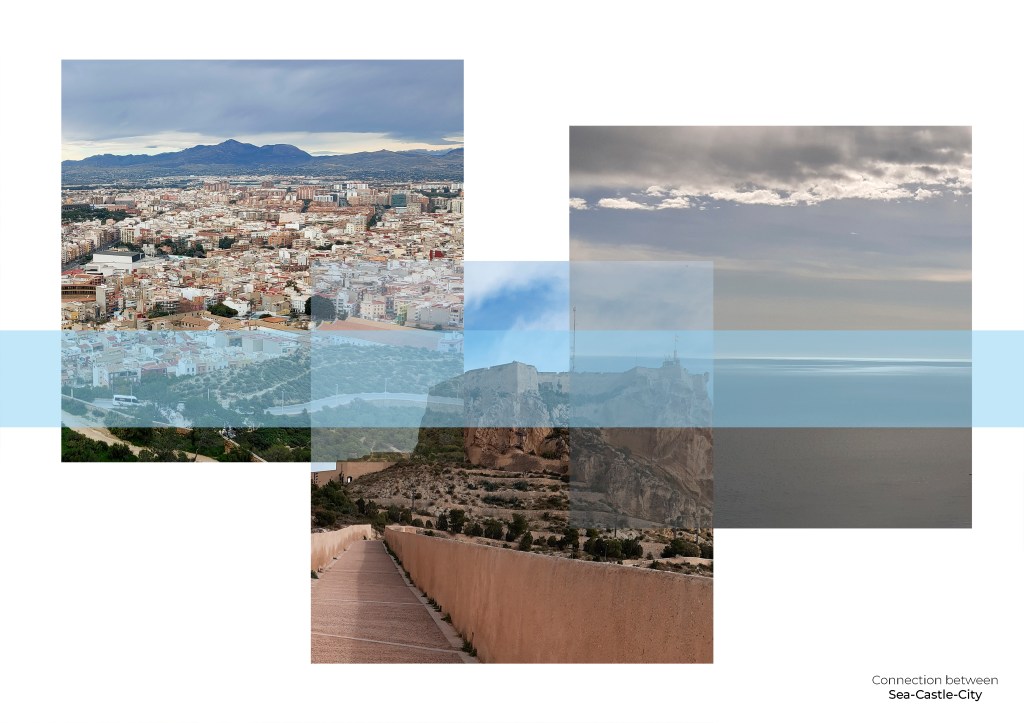
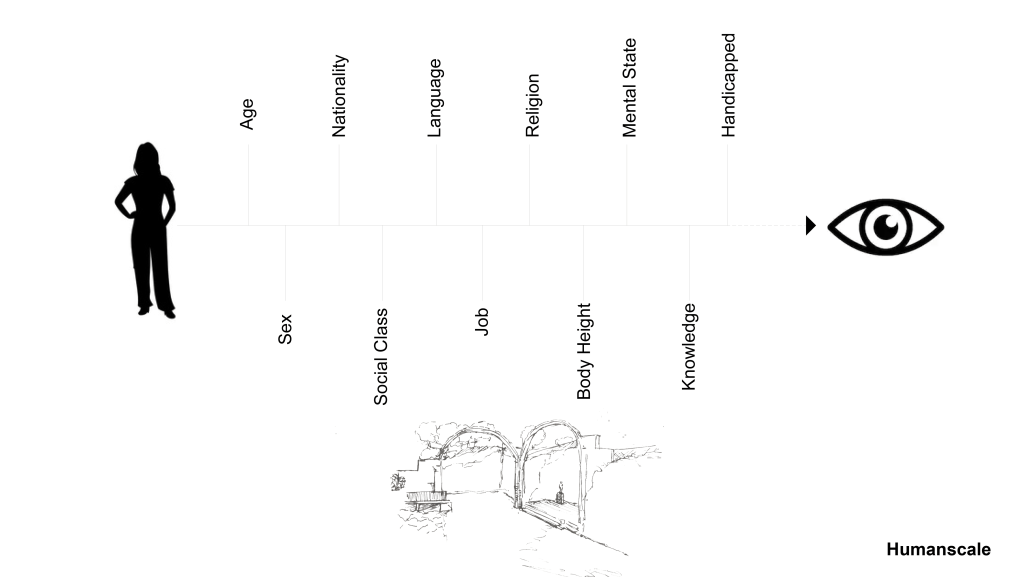
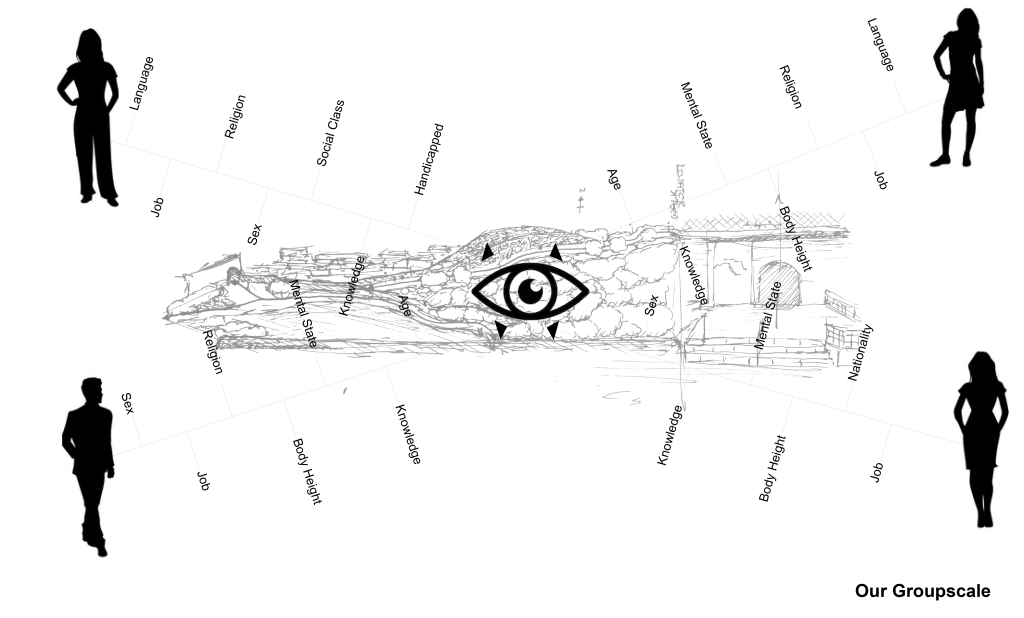
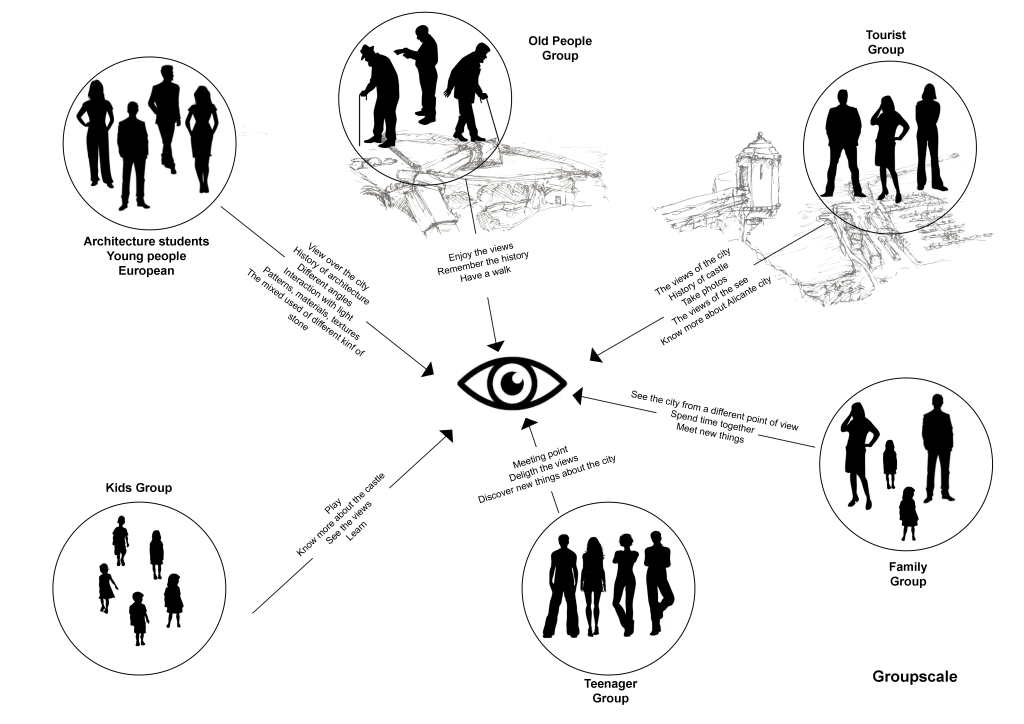
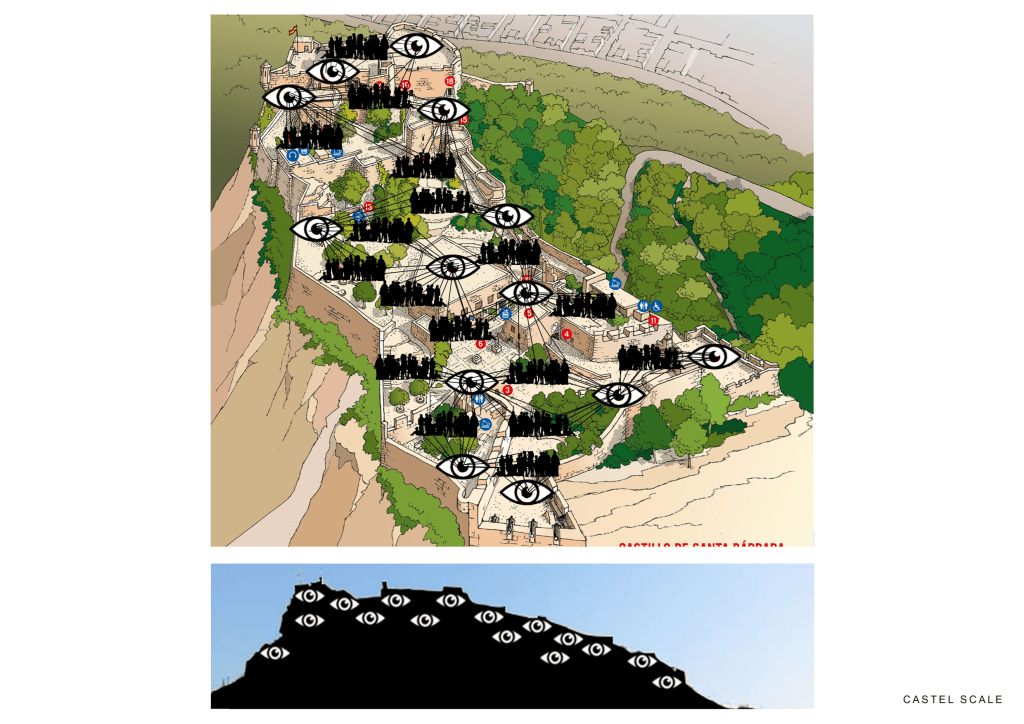
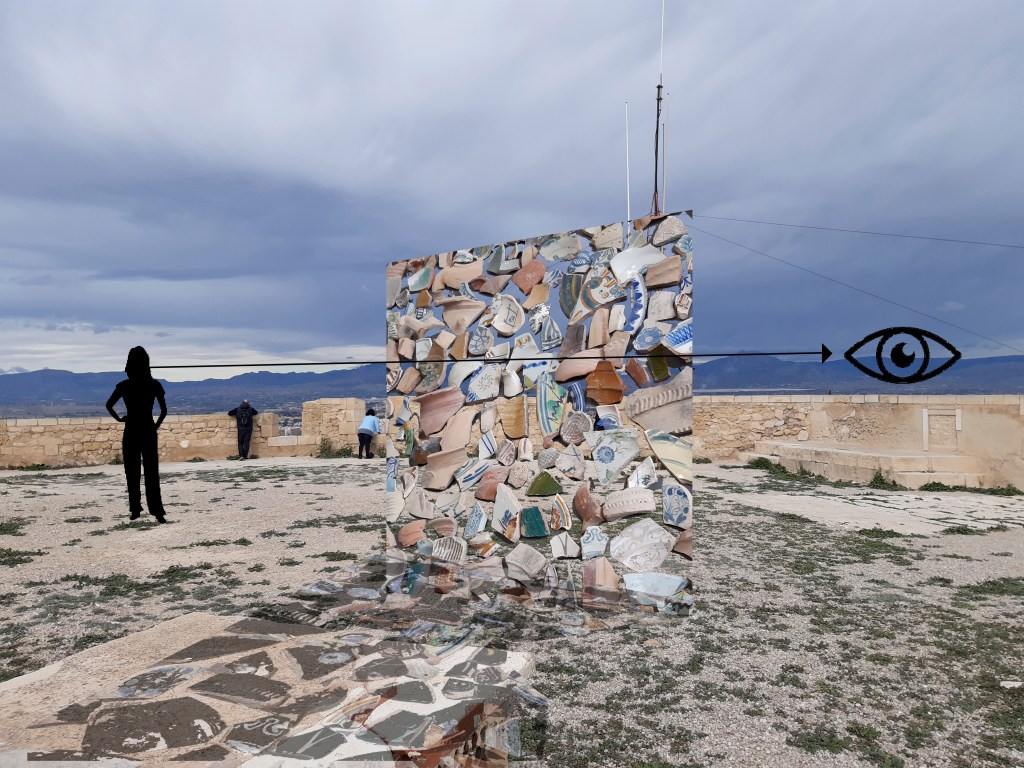
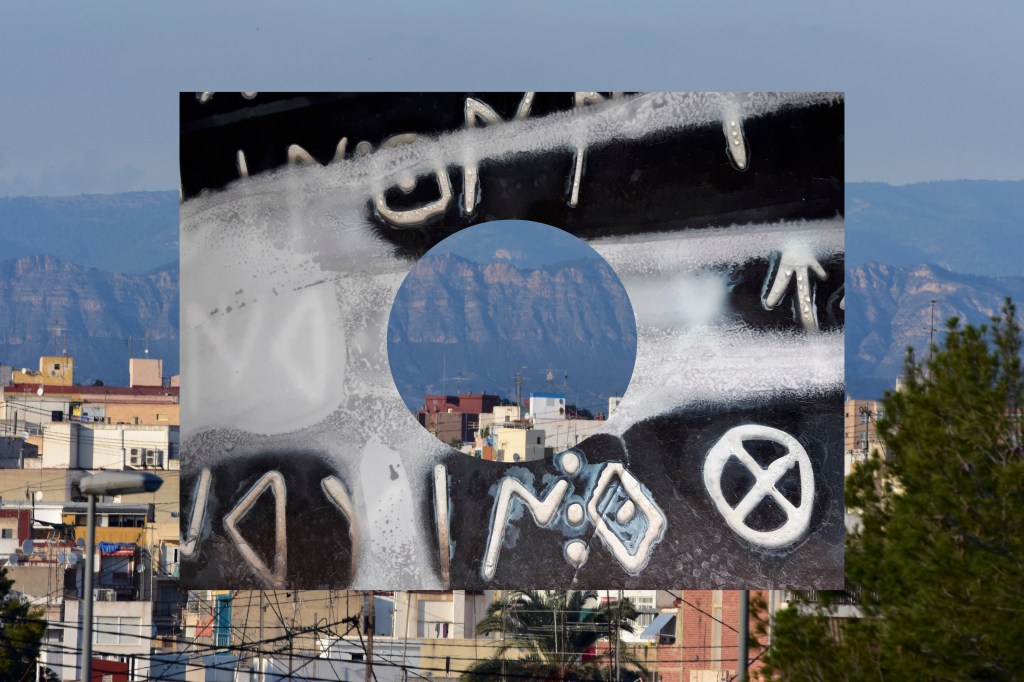
Our visit to the Castillo de Santa Barbara led to investigating the site on different scales: a city/neighbourhood scale, site scale, human scale, and texture scale. We investigated ideas such as the significance of the castle to the city of Alicante and what the city would be like if it didn’t exist, the importance of procession leading up to the castle, the different stories that make up the history of the castle, and an investigation into the different textures that can be seen when exploring the site.

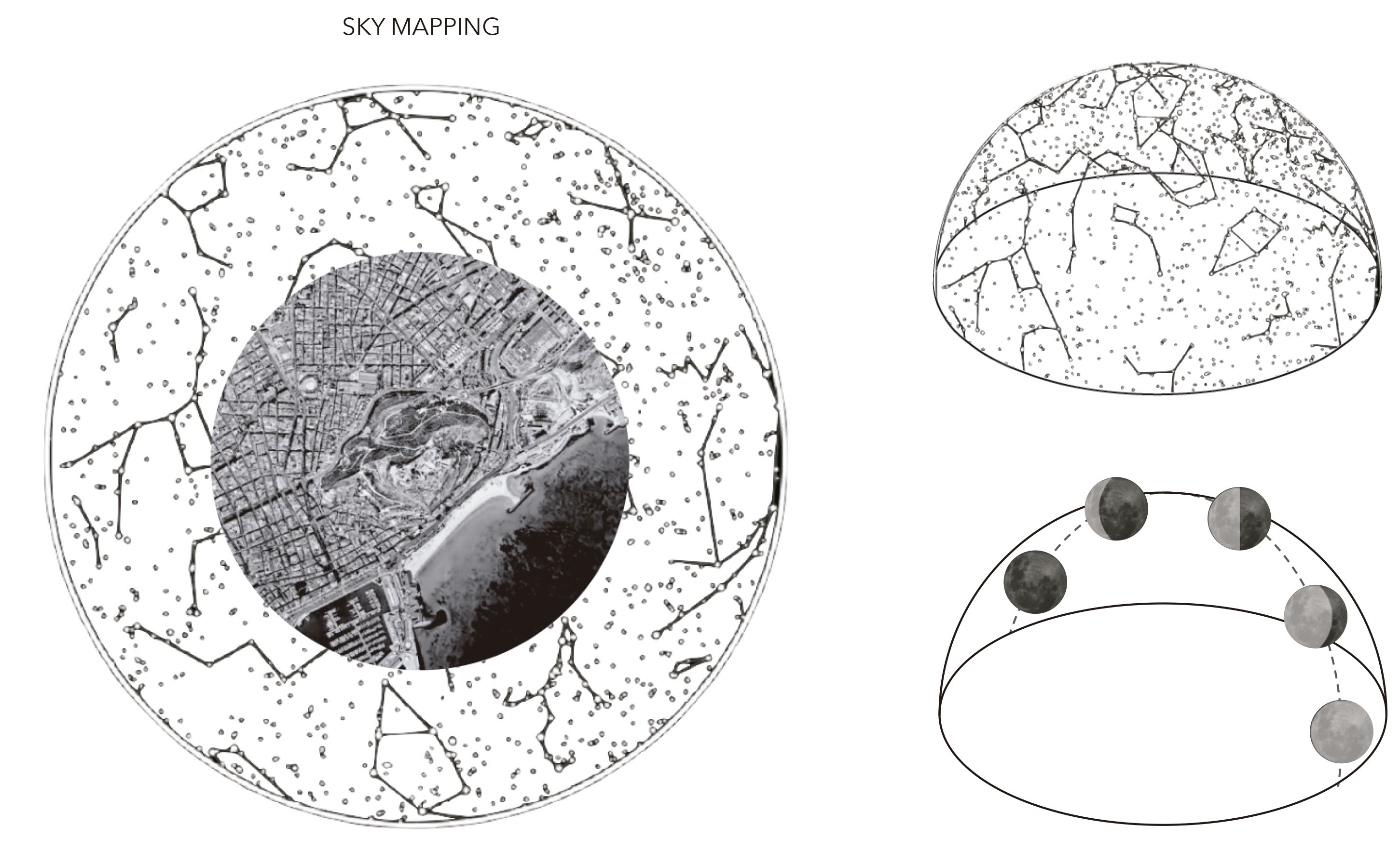
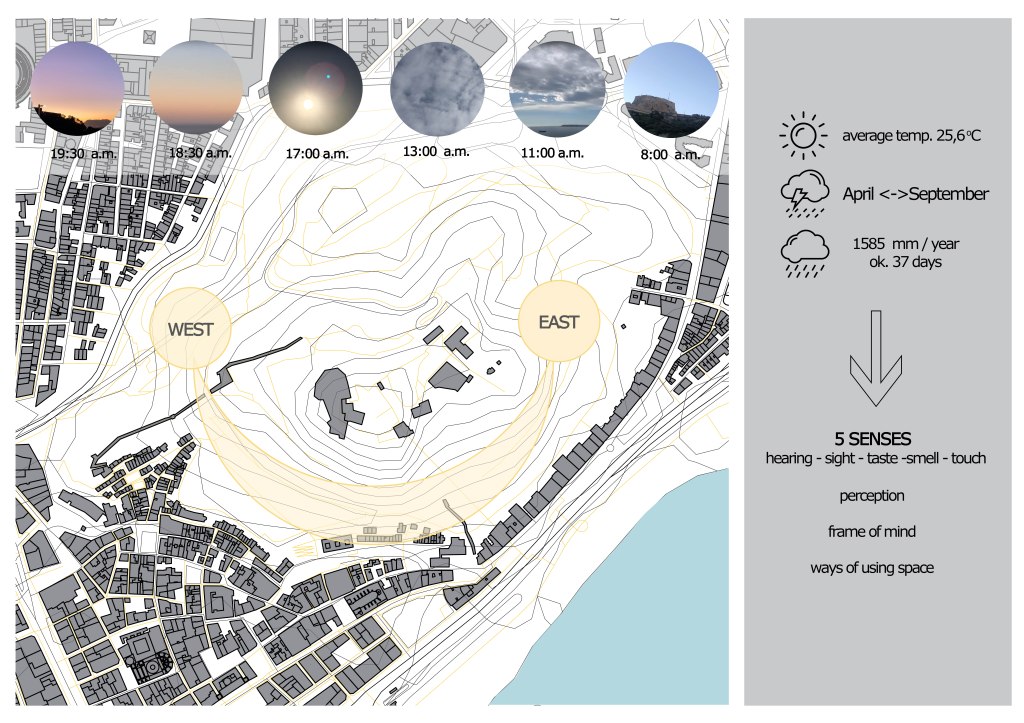
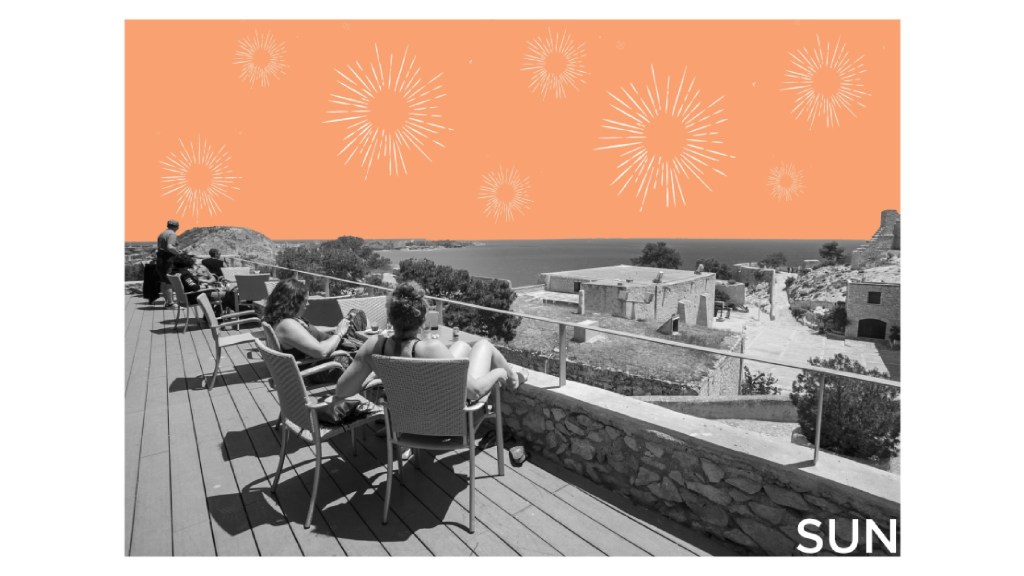
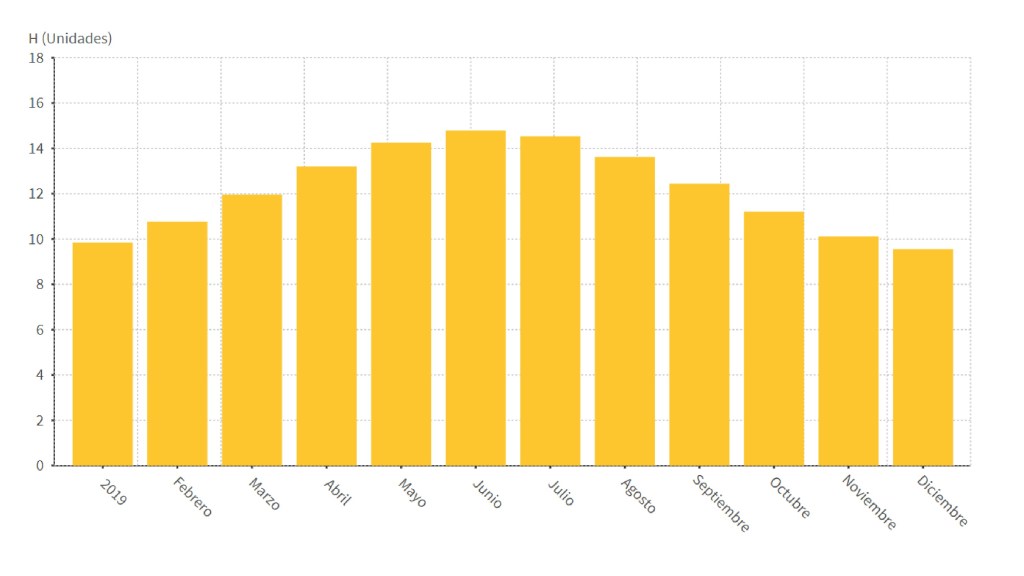
Maps sensing the the sky

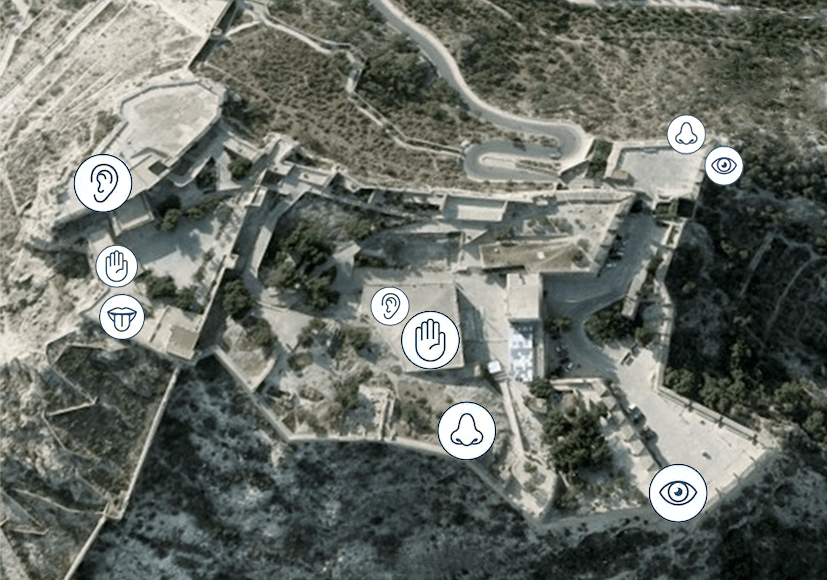
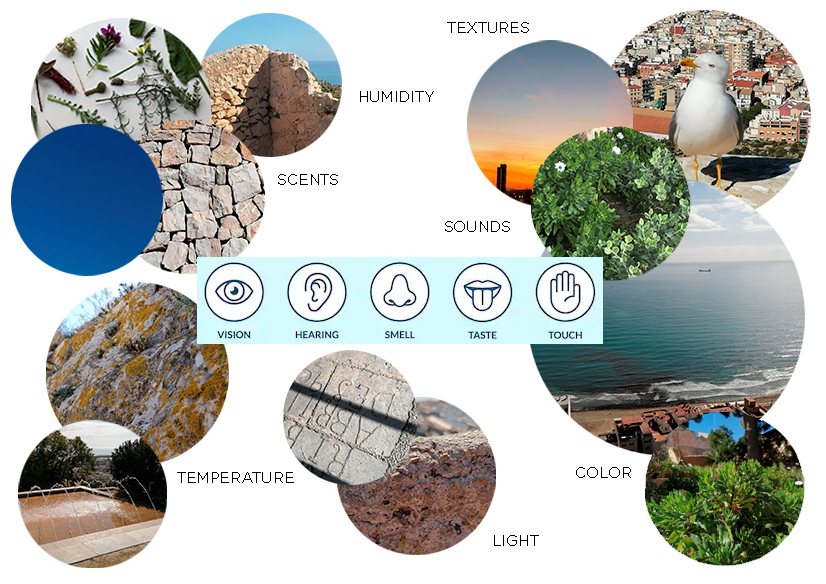
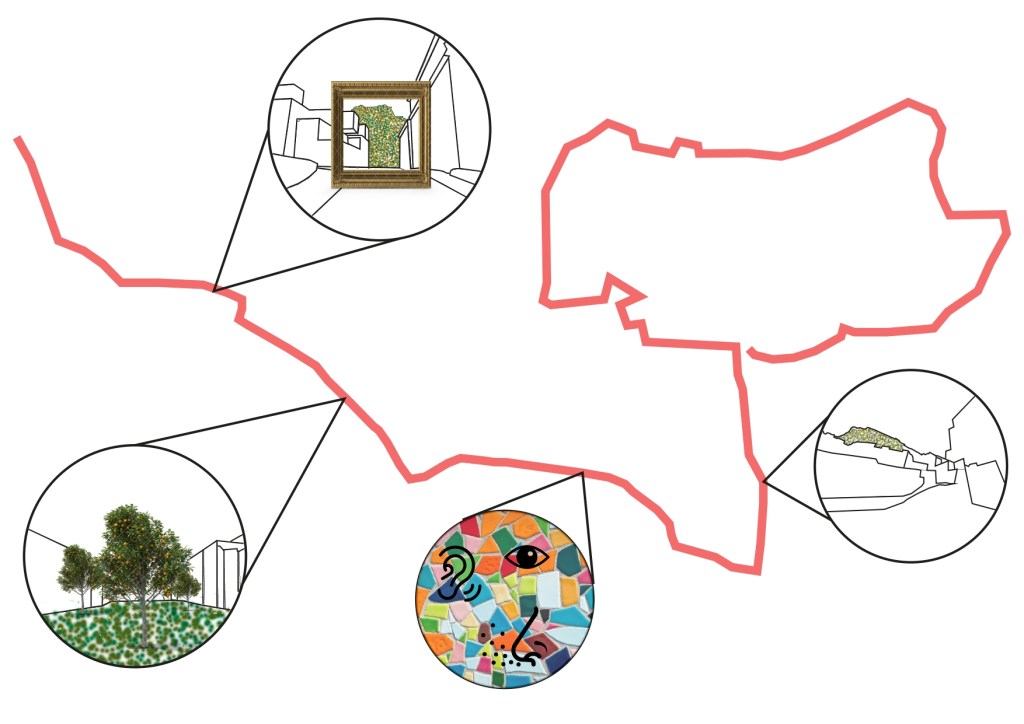
We visited the castle again, this time trying to identificate the spots where we felt the strongest connection to the sky through our five senses and marking them on a map:

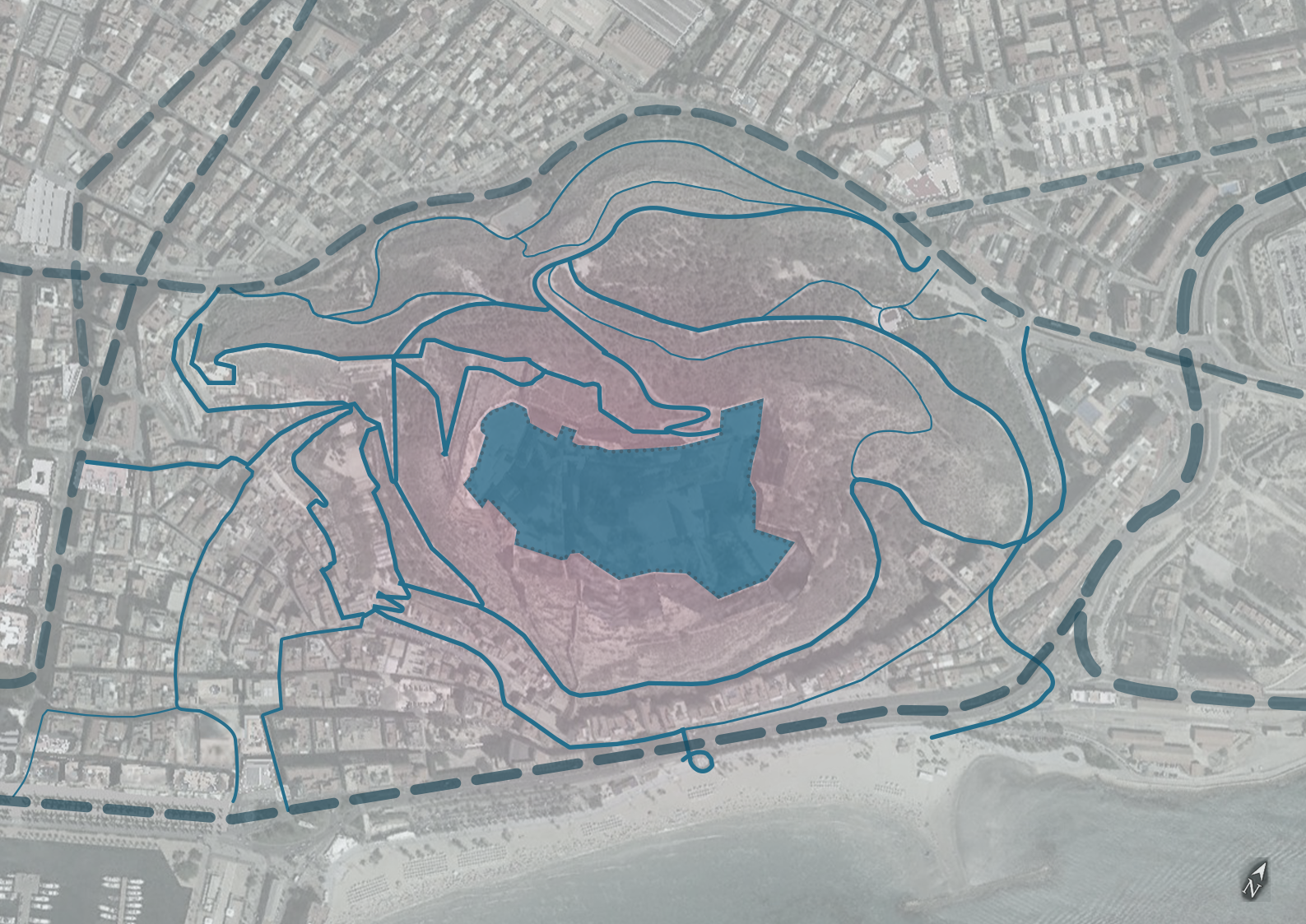
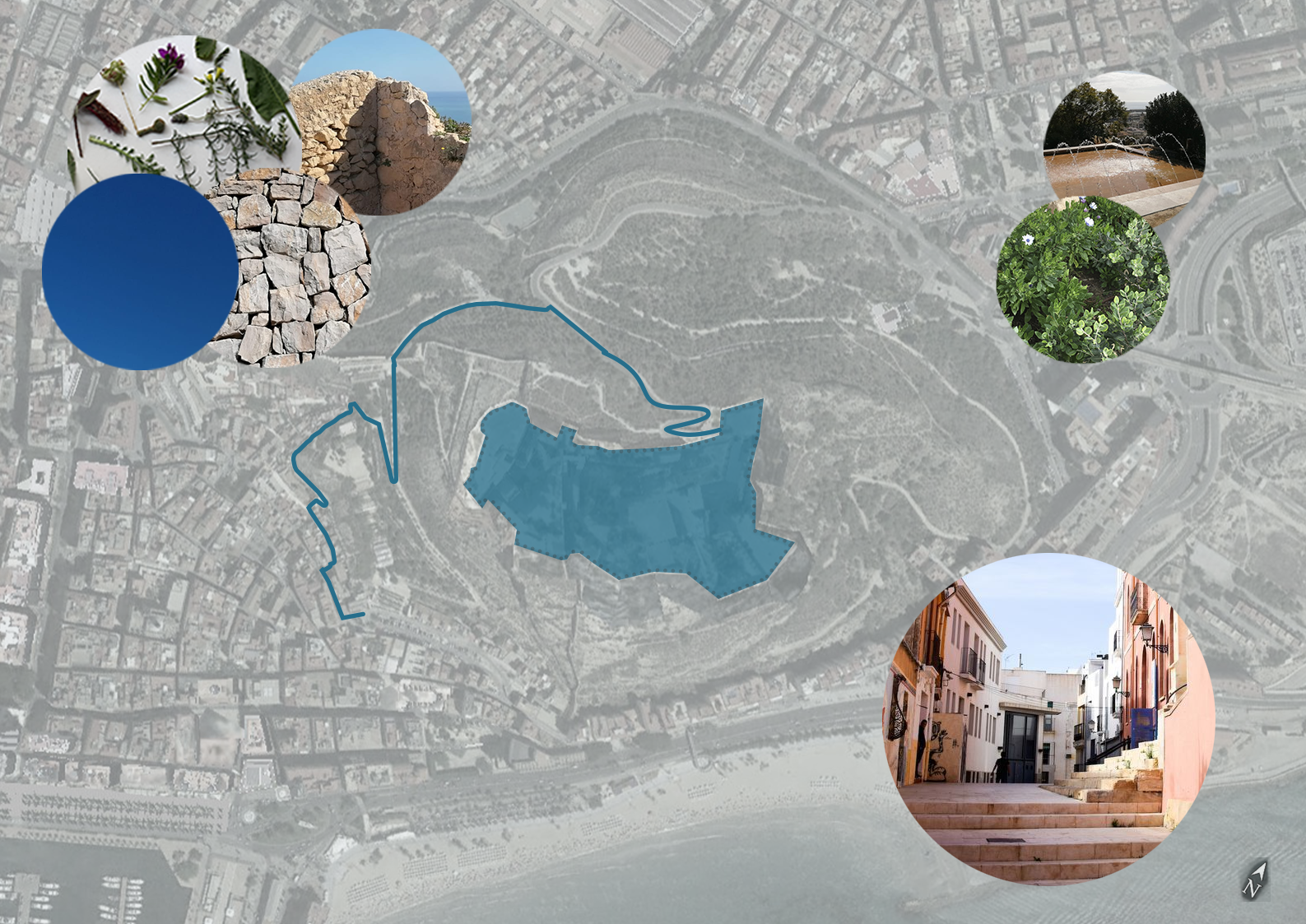
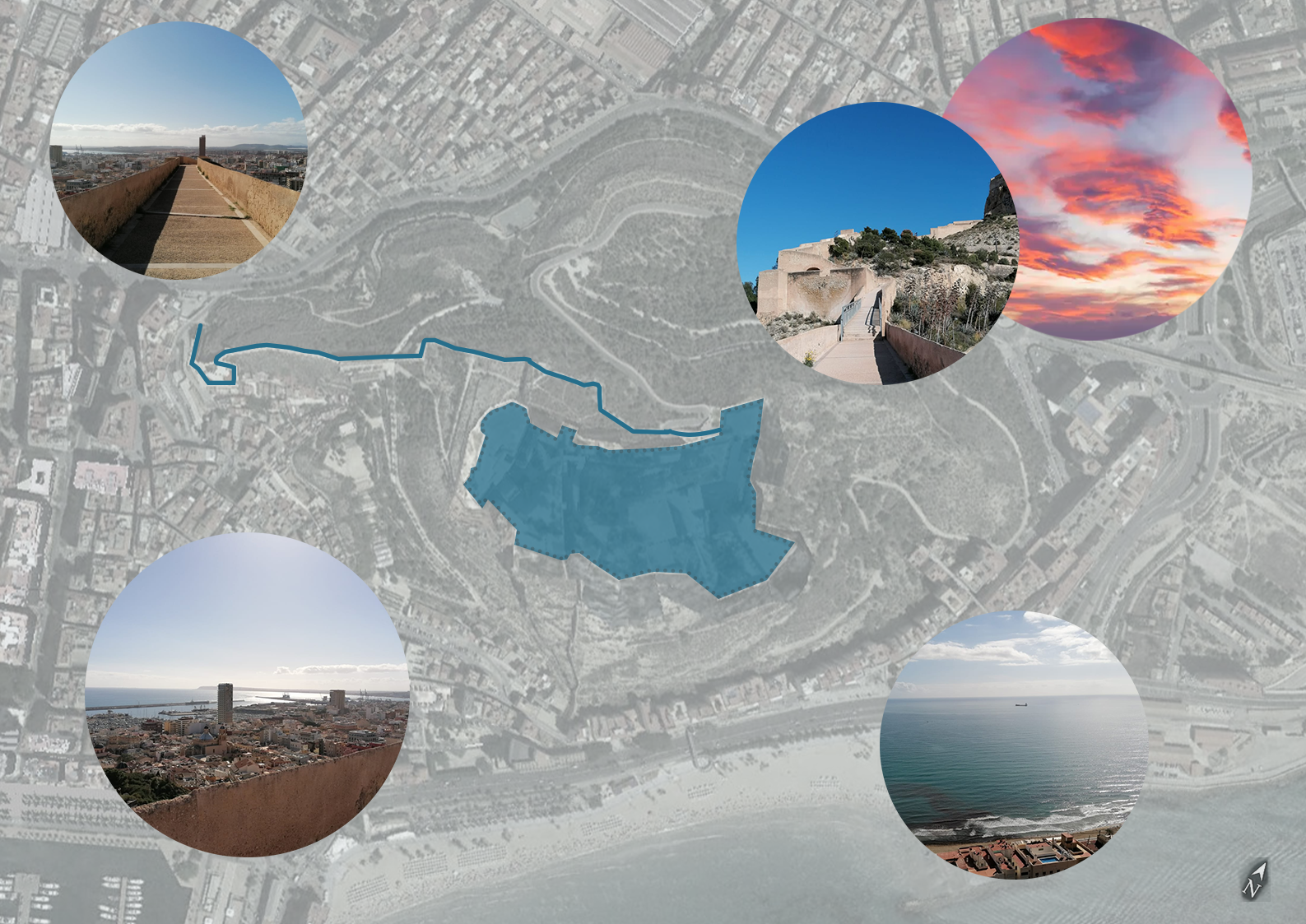
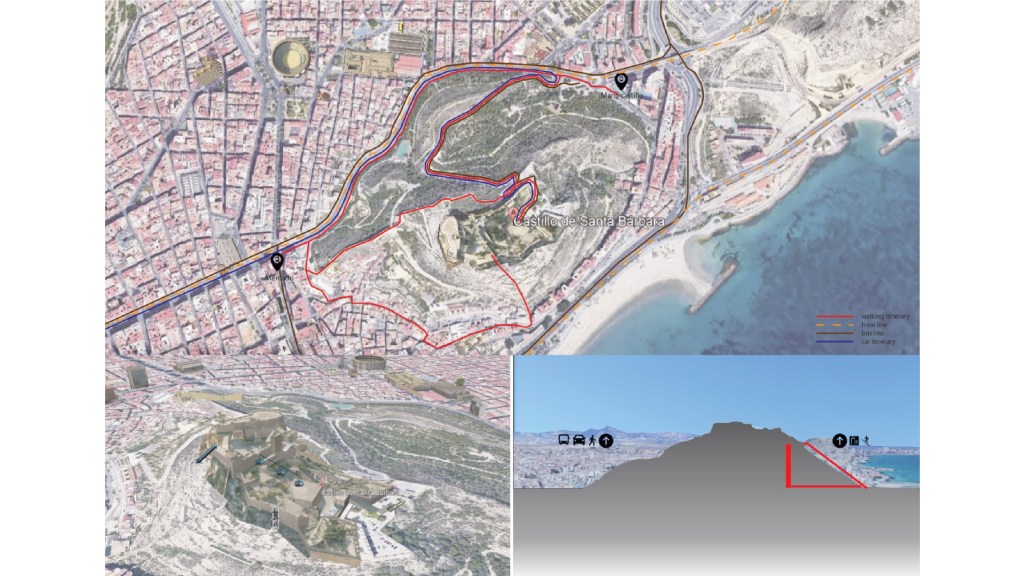
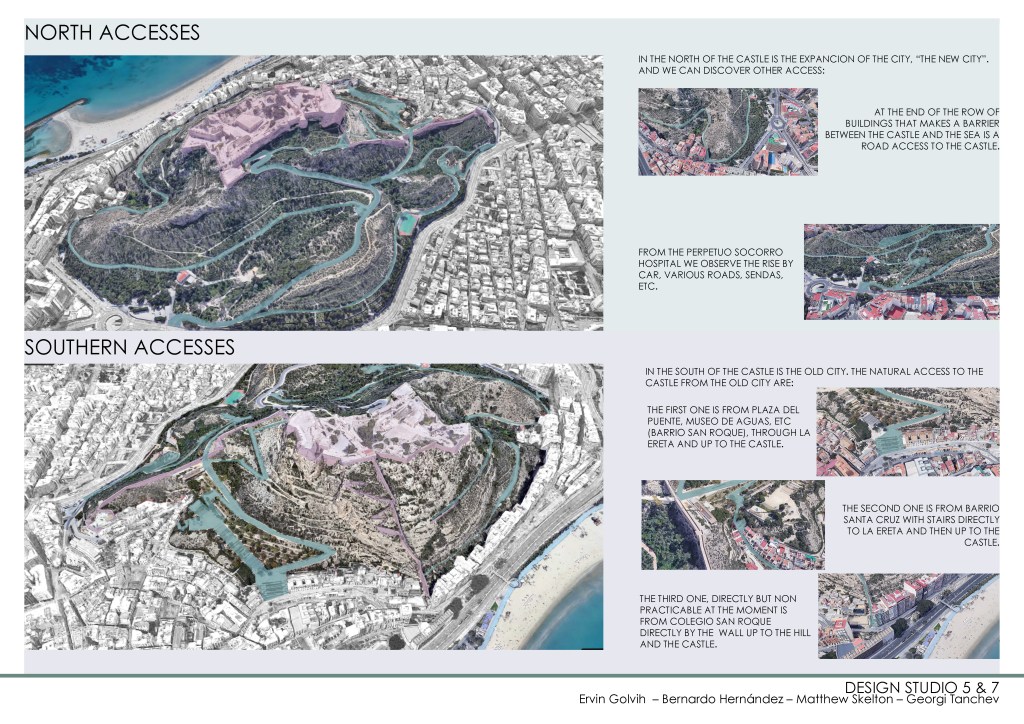
On our journey going to the castle we also wanted to investigate the different paths that you can take and discover how our senses are stimulated in different way in each path. For example, we went up on a path full of stairs that crosses the Santa Cruz neighborhood where we found a lot of little details that made you want to stop and stare. On our way down, we chose the path that used to be part of the old city’s wall where you are constantly looking at the horizon and the path seems limitless because you cannot see the end and it’s a long straight line.

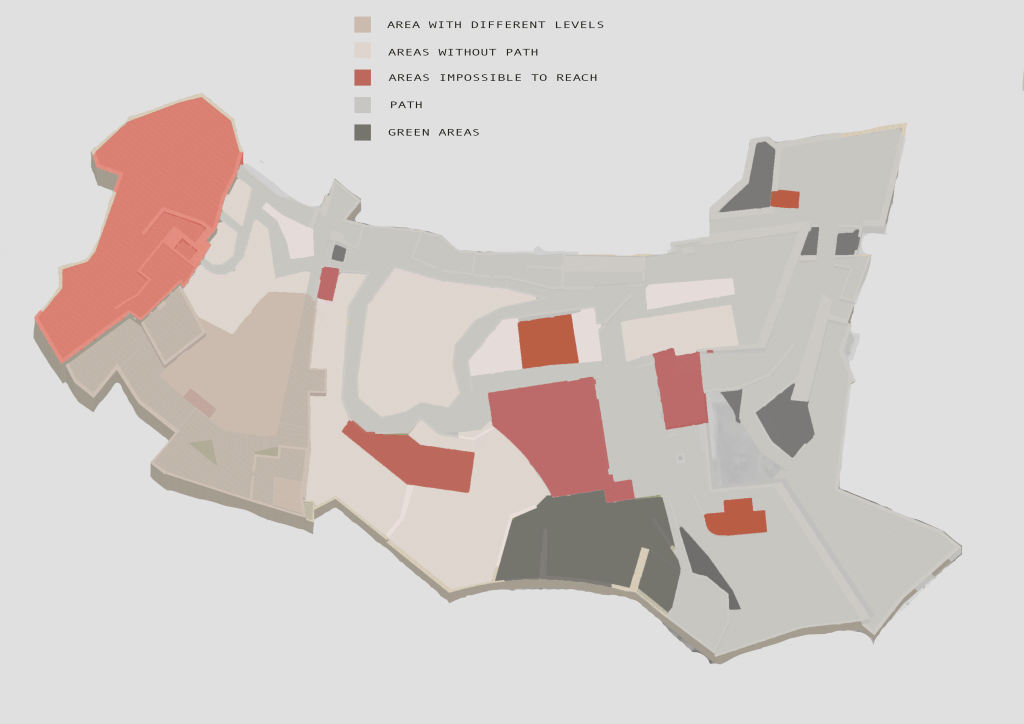
Left: Map of all the paths that access the Castle of Santa Barbara / Top right: Santa Cruz neighborhood path / Bottom right: old town wall path

………………………………………………………………………………………………………………………………

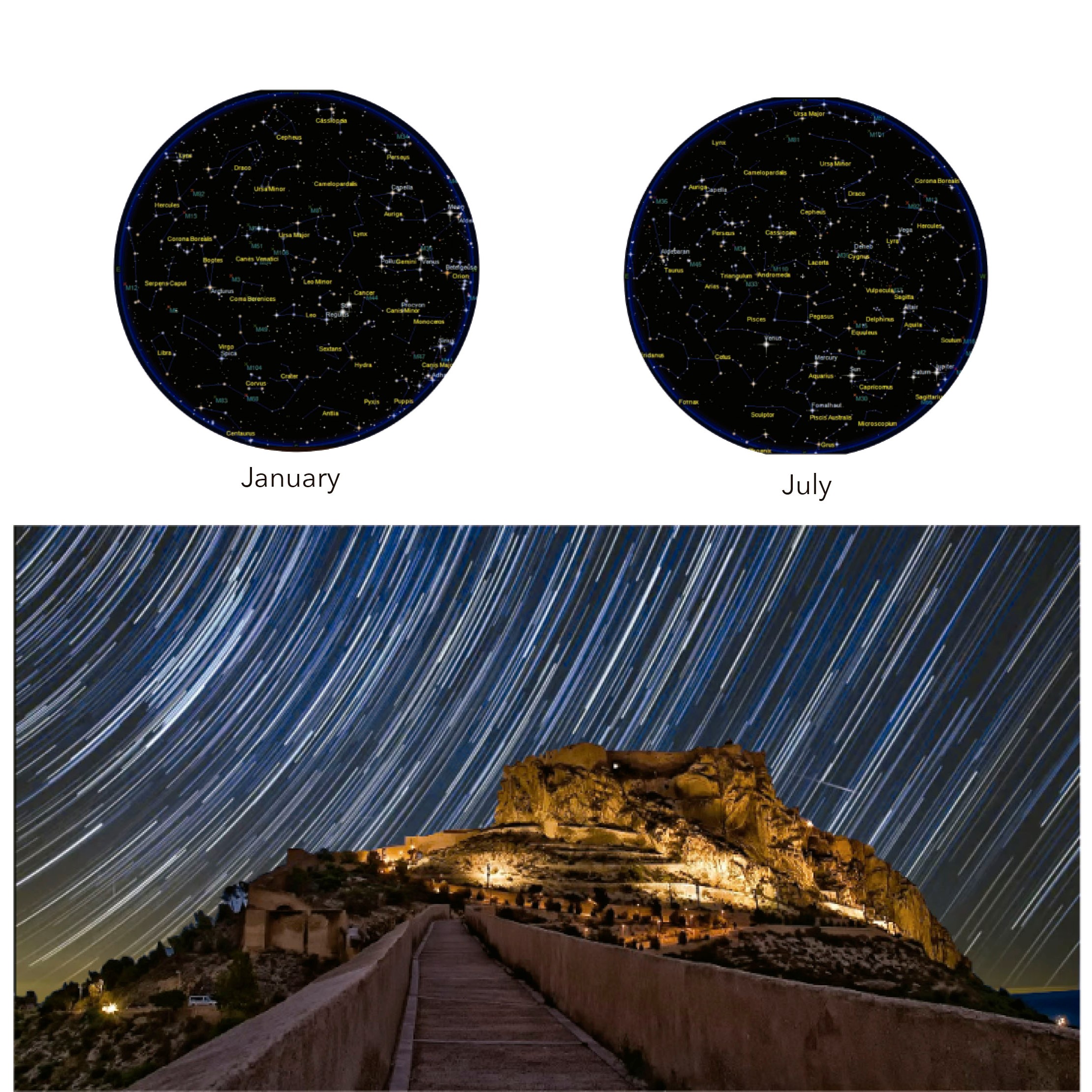
Often times when we think of the sky, we tend to forget the night sky. For us it is very important because it is a different oportunity to the experience the sky. It would be interesting to take advantage of the possibility to visit the castle for special activities during the night. Here is our map of the night sky in the castle.

………………………………………………………………………………………………………………………………

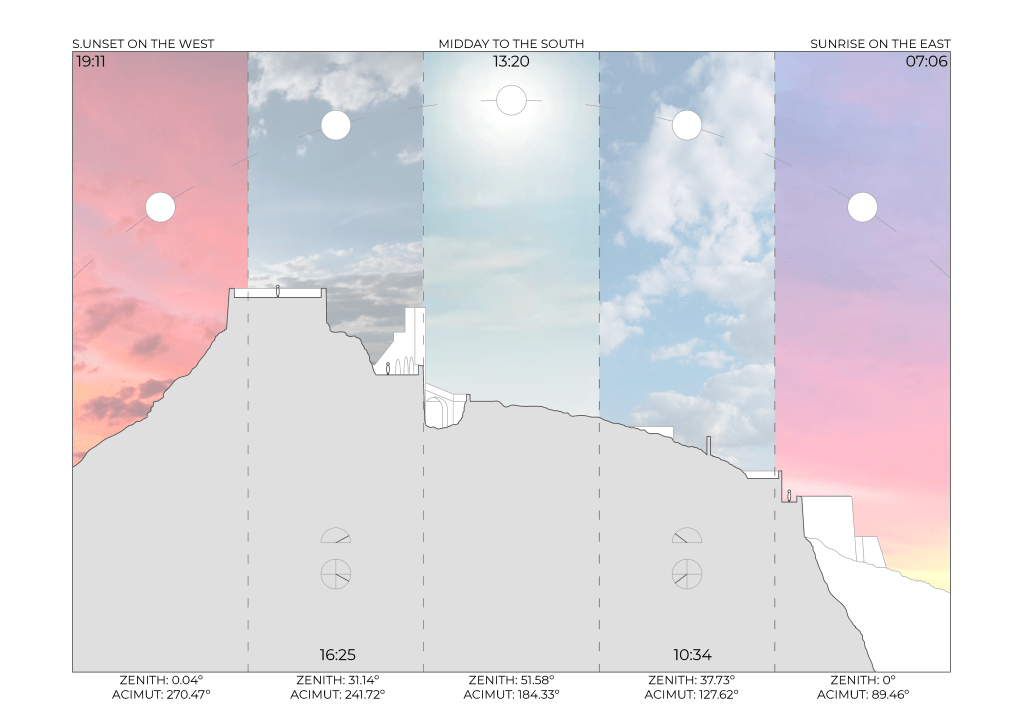
Map of the changes in the sky:

………………………………………………………………………………………………………………………………

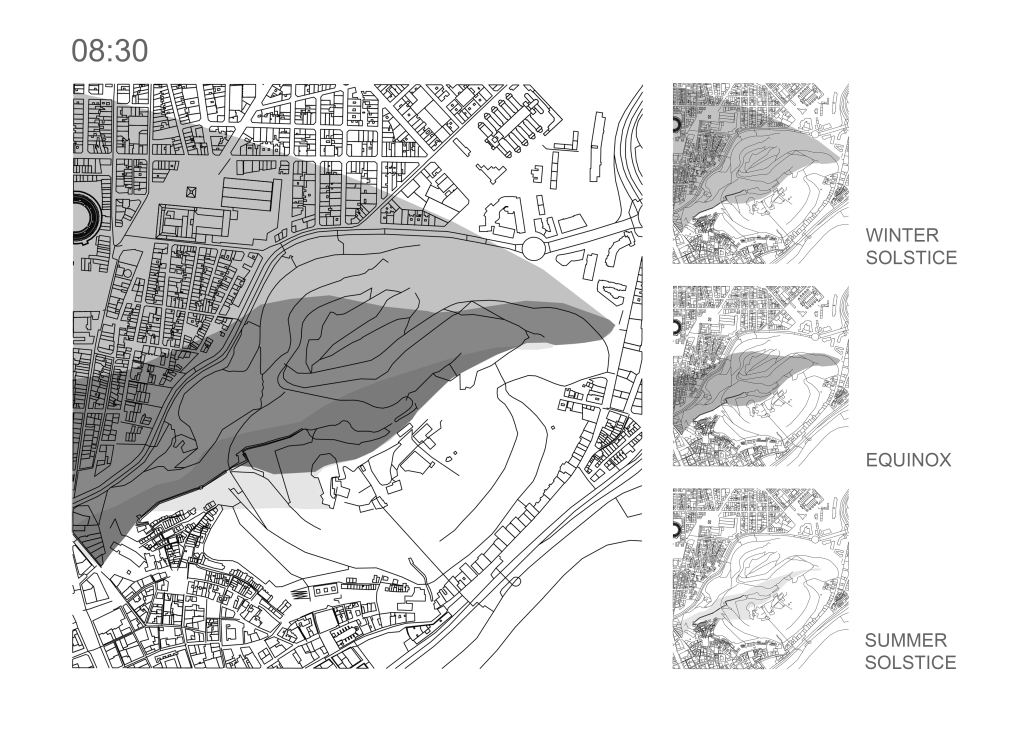
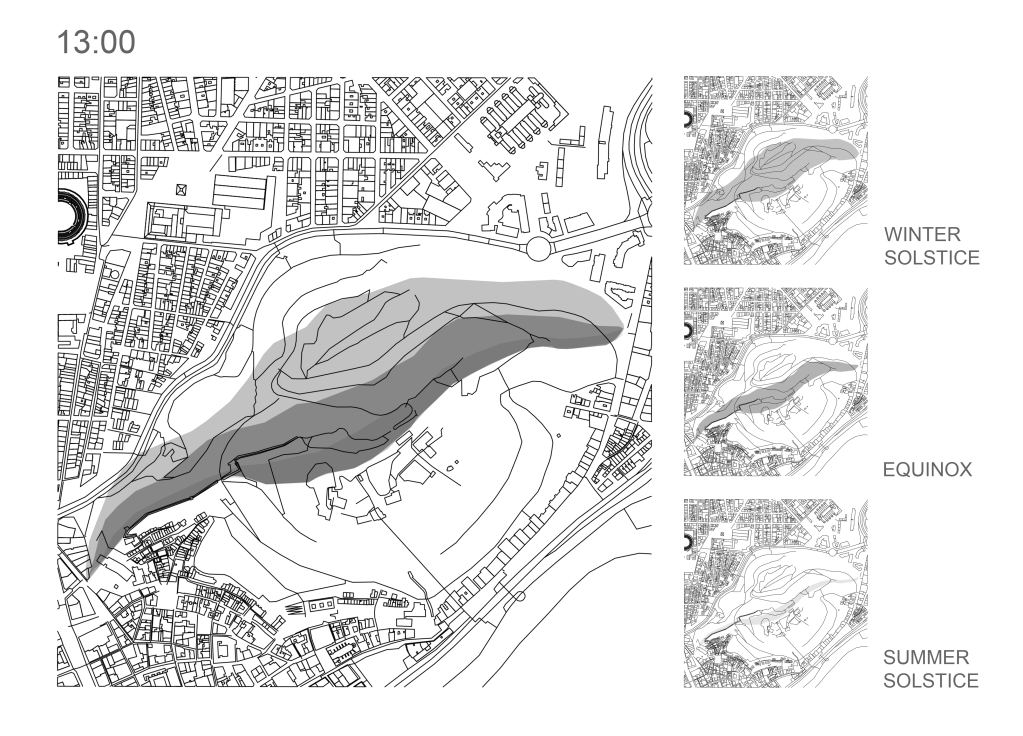
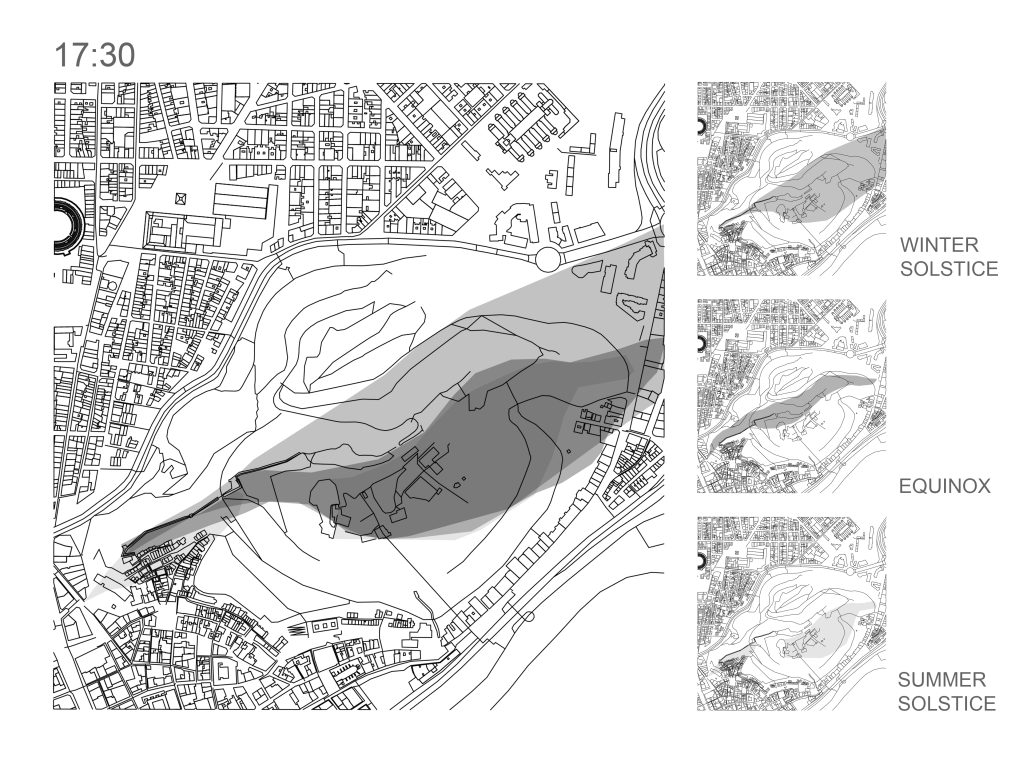
Map of the different shadows the castle produces on the mountain and the different access:

Mapping

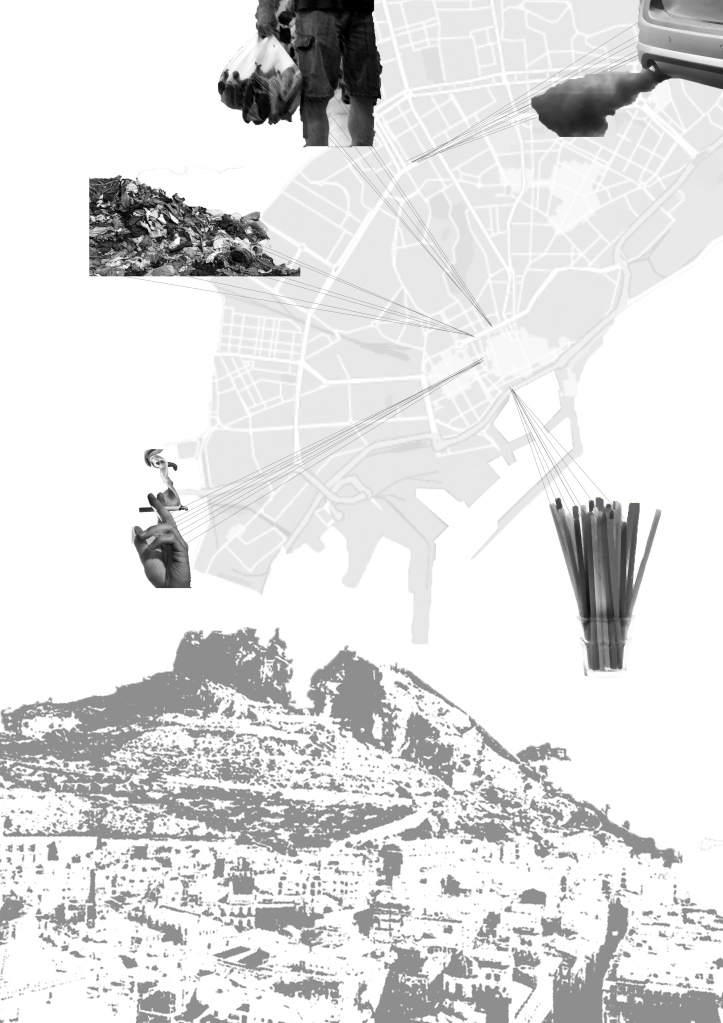
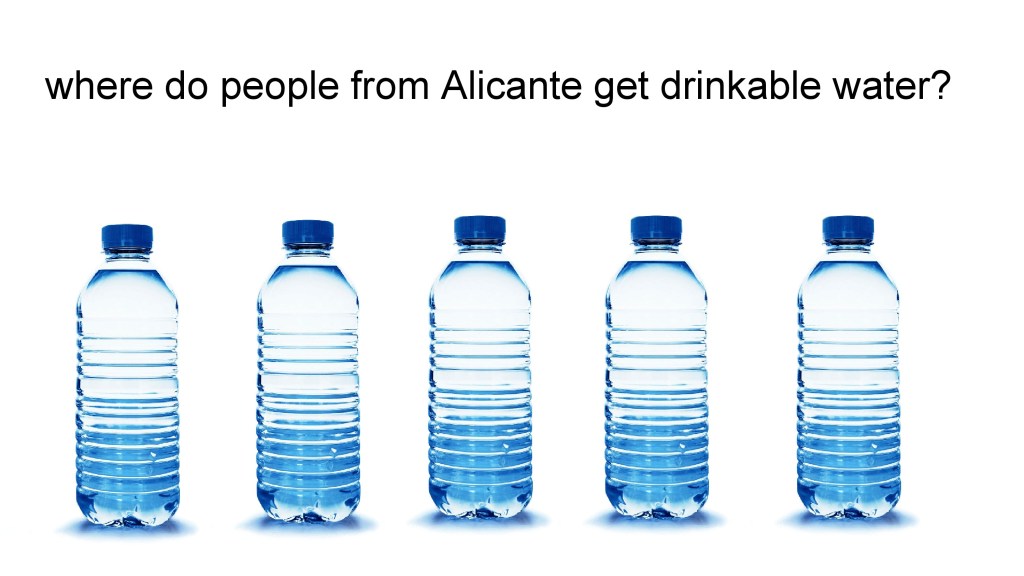
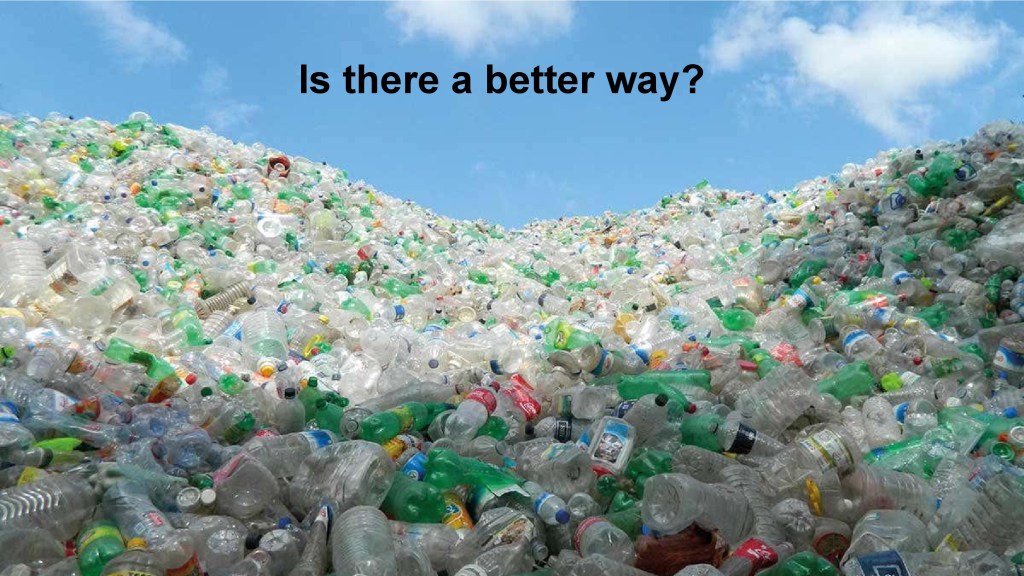
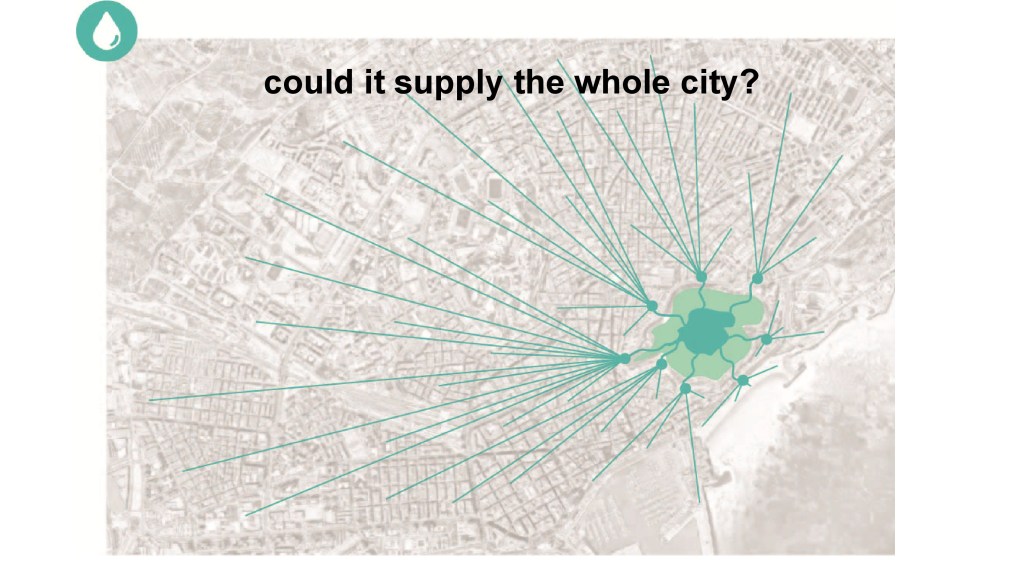
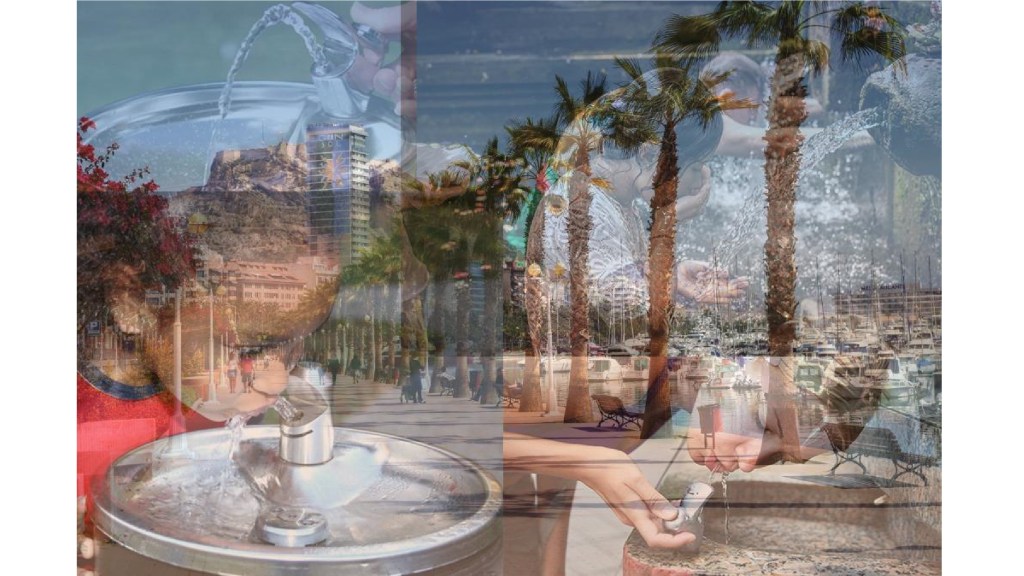
Thinking about the impact of the castle on a grand scale led me to think about the importance of the natural landscape of Alicante, and how it influences the character of the city. The threat of environmental damage is becoming extremely apparent in recent times, and despite this I feel that more could be done to raise awareness within Alicante. Plastic pollution should be at the forefront of the cities concerns, as it is a coastal city and should be prioritising the conservation of sealife. Unfortunately, single use plastic consumption is constant within Alicante. From the vegetables wrapped in plastic at Mercado, to the plastic straws used in restaurants, it is as though the city is closing its eyes to the problem. Furthermore, the party culture in the city means that the streets are constantly being lined with the end of cigarettes, and litter. Lastly, despite the admirable public transport facilities in the city, people seem to constantly be using their personal vehicles.
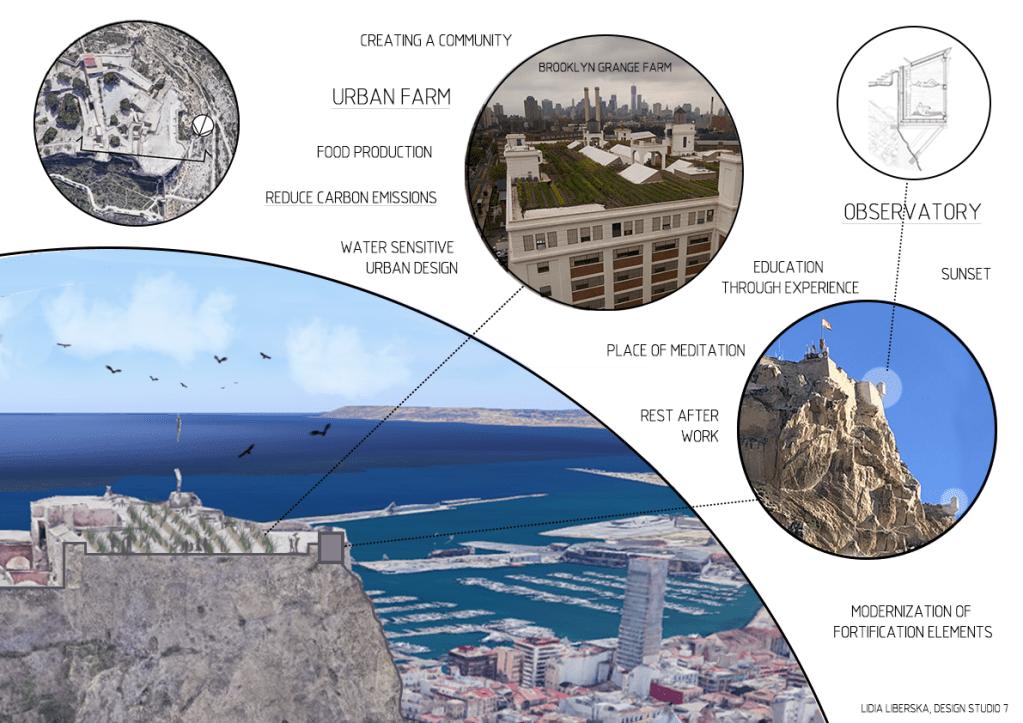
As the castle has such a powerful presence within Alicante, I believe that it could be used as a tool for change.

Smell of Castle

기생충 냄새 이미지 검색결과

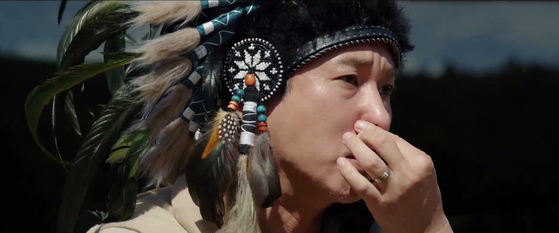
In movie ‘Parasite’, Smell plays an important role in crossing the line although it is invisible.

It can be trigger of all or result. Including bringing about a feeling of ‘MELANCHOLY’

That is why I chose smell as a representative element of history.
In terms of time, it would have been possible to mix and escape the smell inherently present in this area.

But this idea began in the sense that some point in time thought that the uniquensee could result in a special smell.

For example, The aroma of fruits like orange and specie like a pepper from the arab world came in at the time of middle ages, even now, this smell stays here.

But the smell of gun powder is different.

I thought about the uniqueness of the gunpowder smell of cannon, especially when France attacked alicante in 1691.

Some of buildings collapsed in the bombing were restored. But for the people of Alicante at the time, the smell of gunpowder was a ‘Melancholy’ medium.

Clothes of the scales

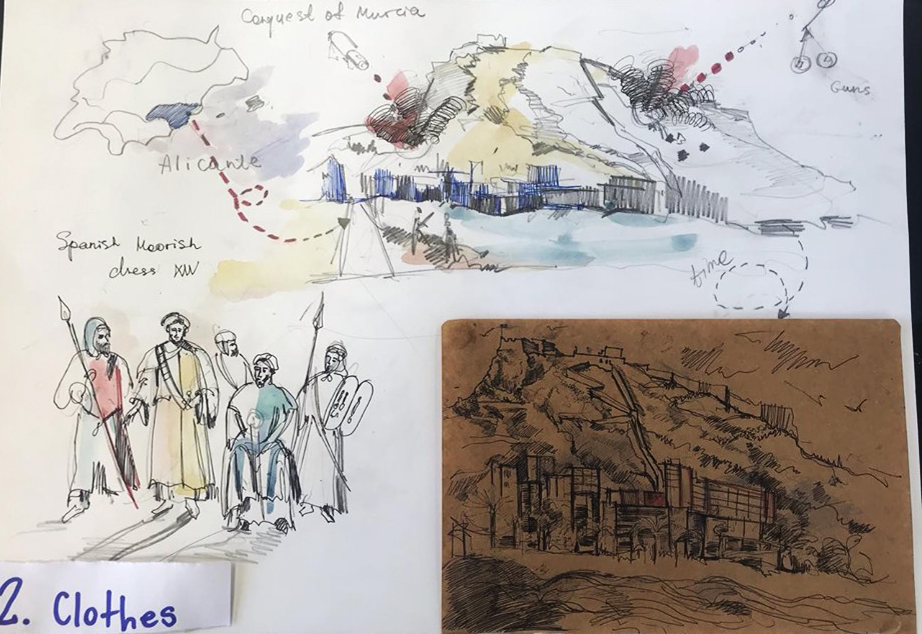
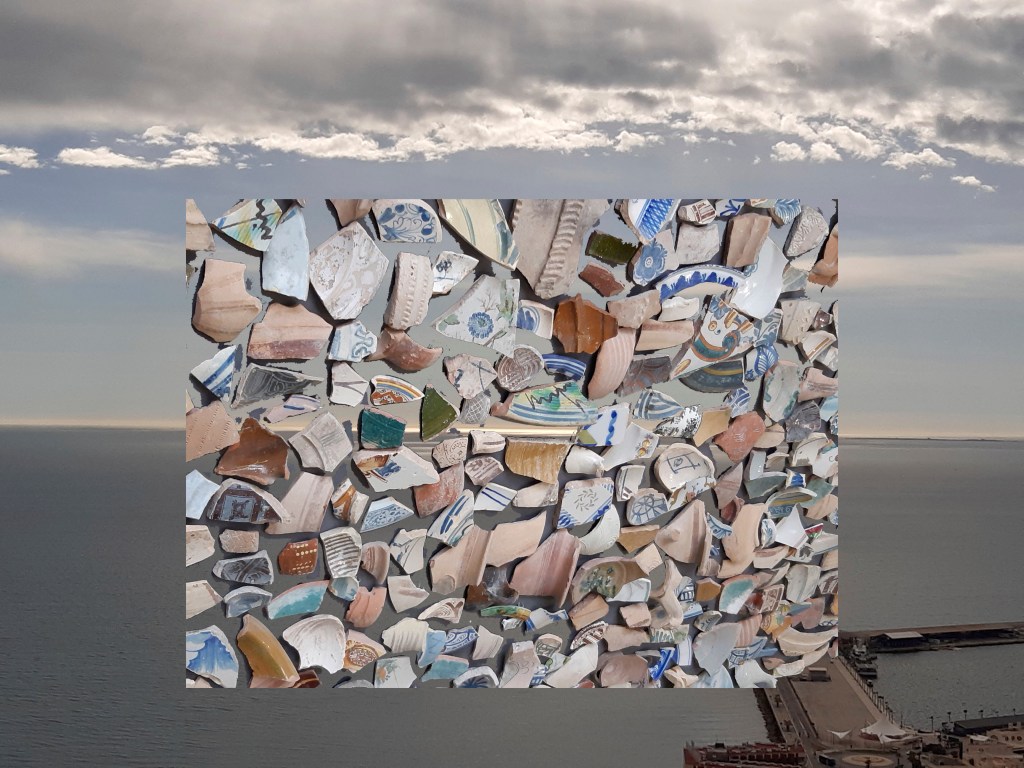
Main idea of this project is TIME and MELANCHOLY that’s why i decided to make scale of the clothes. I can say that clothe tells us about people about history behind it it’s a lot of things that we can understand. By the time everything is changing (small, sound, clothes,people, behaves, habits, traditions and etc) From this scale i wanted to understand what changed by the time and by the time what kind of clothe people were wearing. For example in the first picture there is Santa Barbara Castle from Arabic period ( below it is also Santa Barbara Castle how it looks like nowadays) and also Spanish Moorishs’ from Arabic period in the next picture i tried to understand different period of the time and not only Arabic period there are people from XIII , XX centuries so i think that main part of the history is people they when trow a lot of periods such as war, conquers and clothe represents all these periods so that’s why from my scale i wanted to bring some melancholy and make history more understandable and deep with feelings.

Initial Thoughts

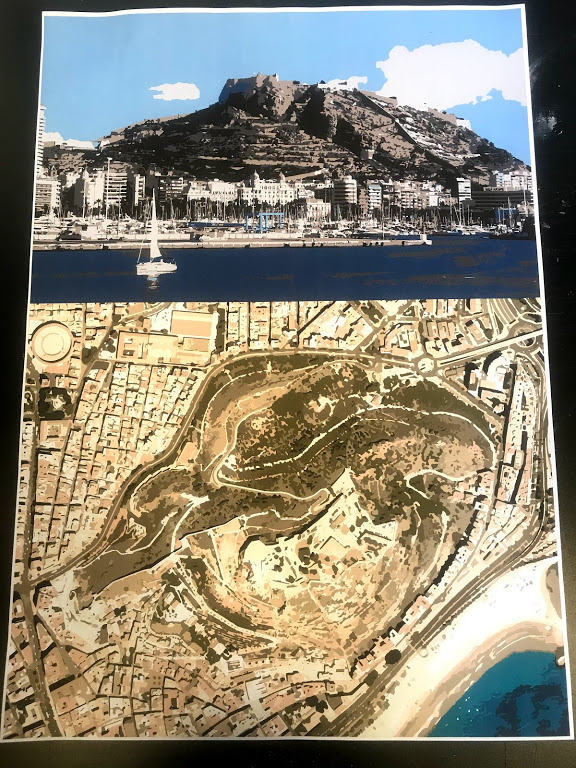
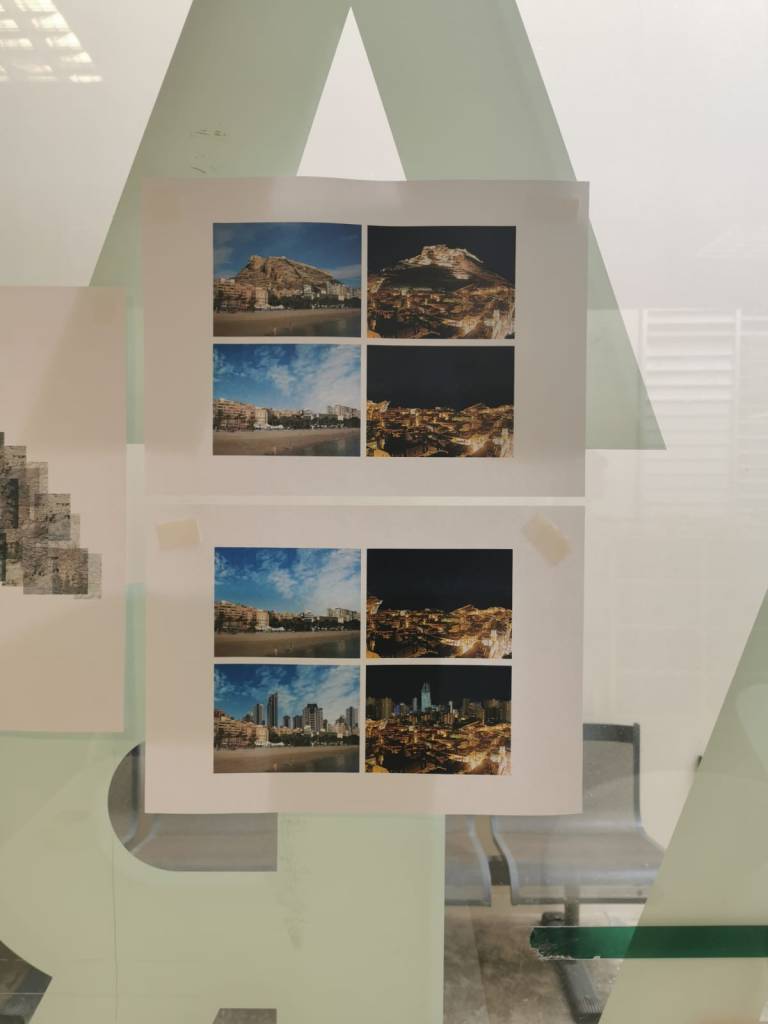
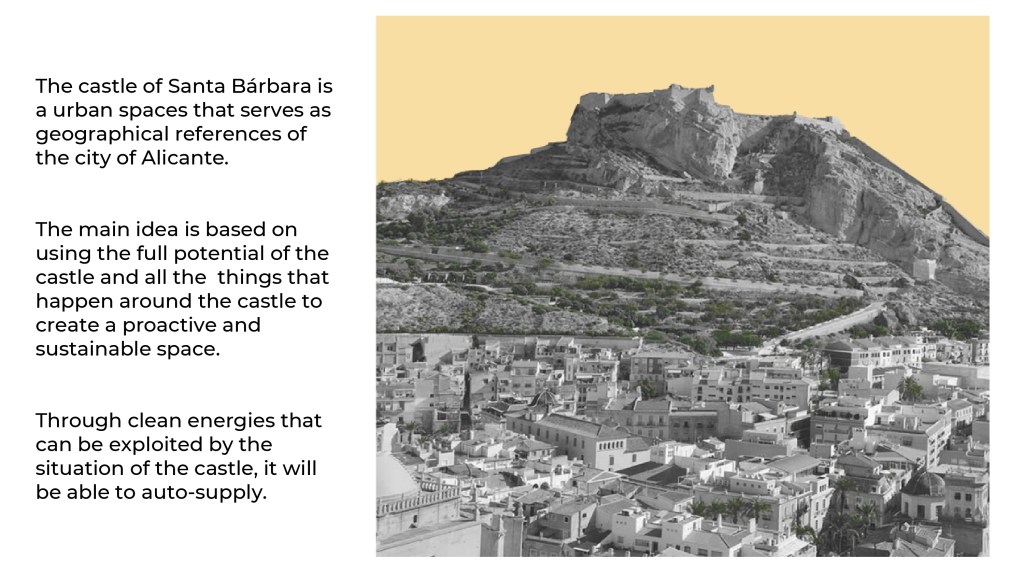
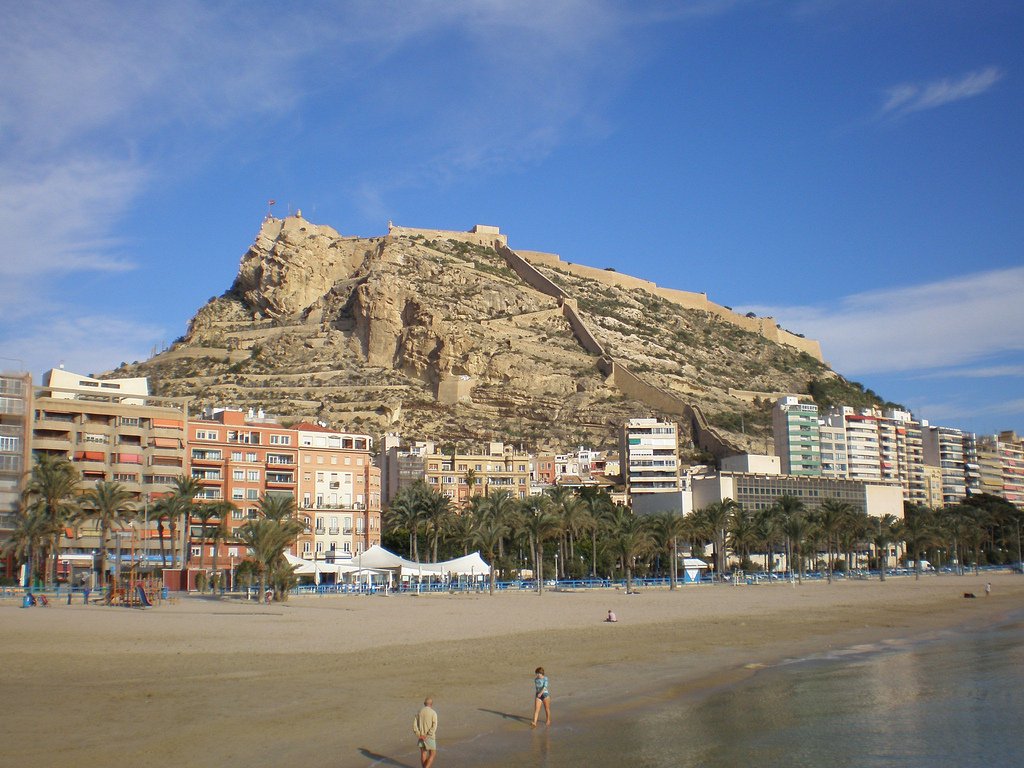
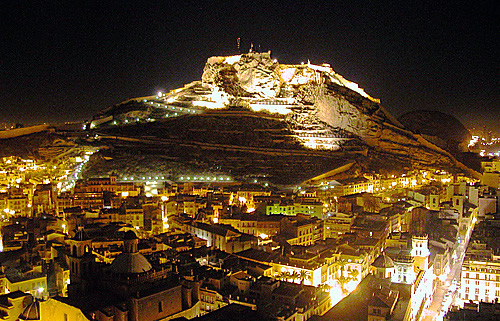
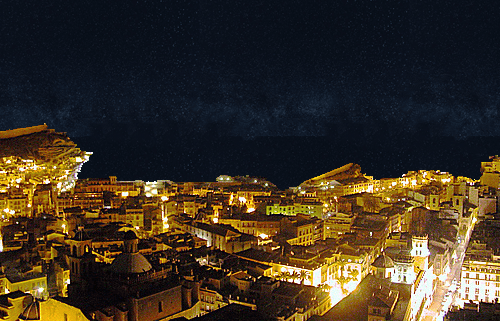
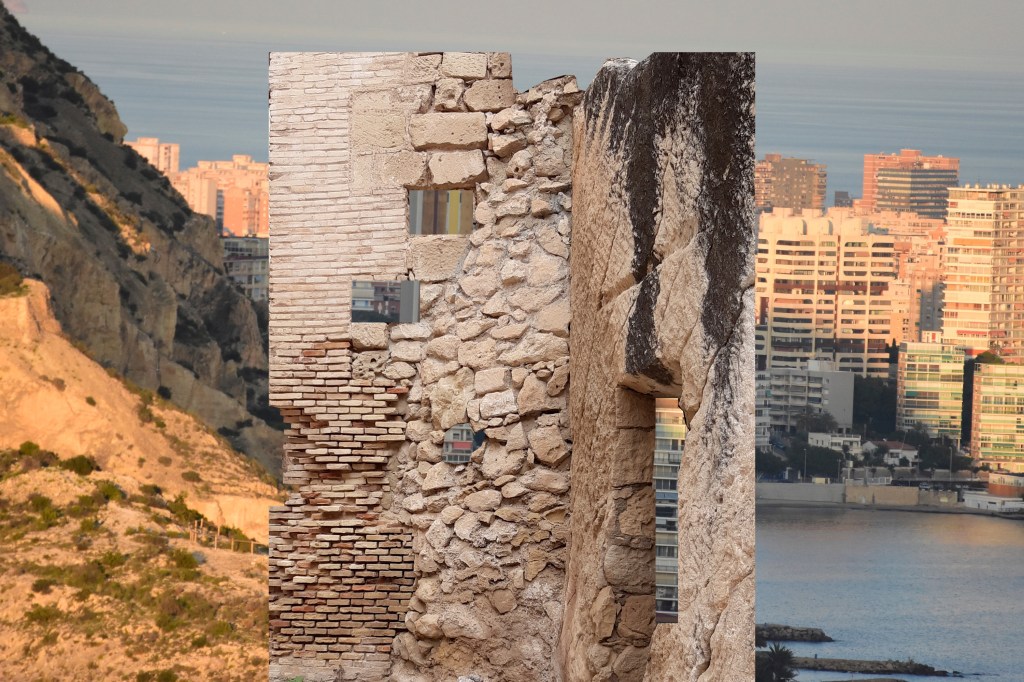
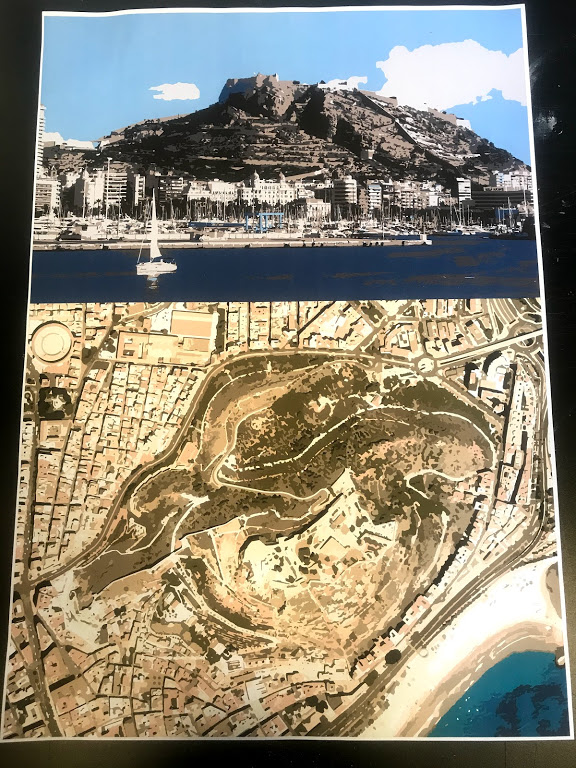
In our groups, we began to think about the castle at different scales. I found it interesting to think about the importance of the presence of the castle, and its affect of the city as a whole. These images show the castle in the day and in the evening. I observed how the castle has a powerful presence, as though it ‘watches over’ the busy city below. Here, some images show the castle in the day and in the evening. The castle creates an extremely Mediterranean landscape during the day, and in the evening a romantic atmosphere.

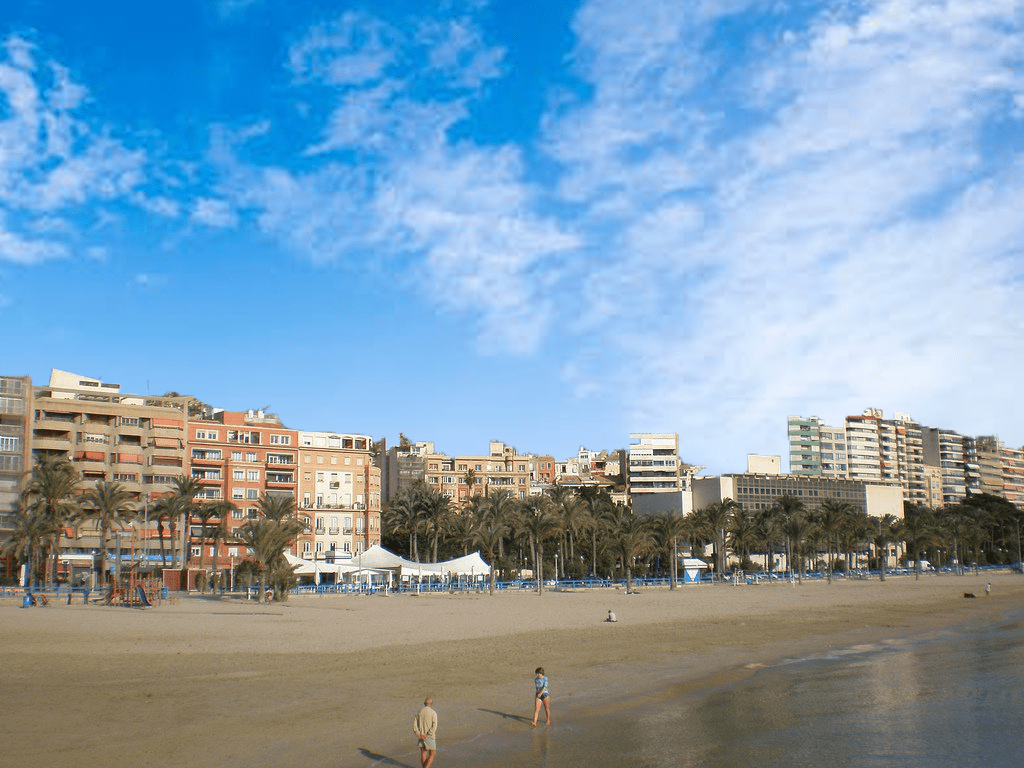
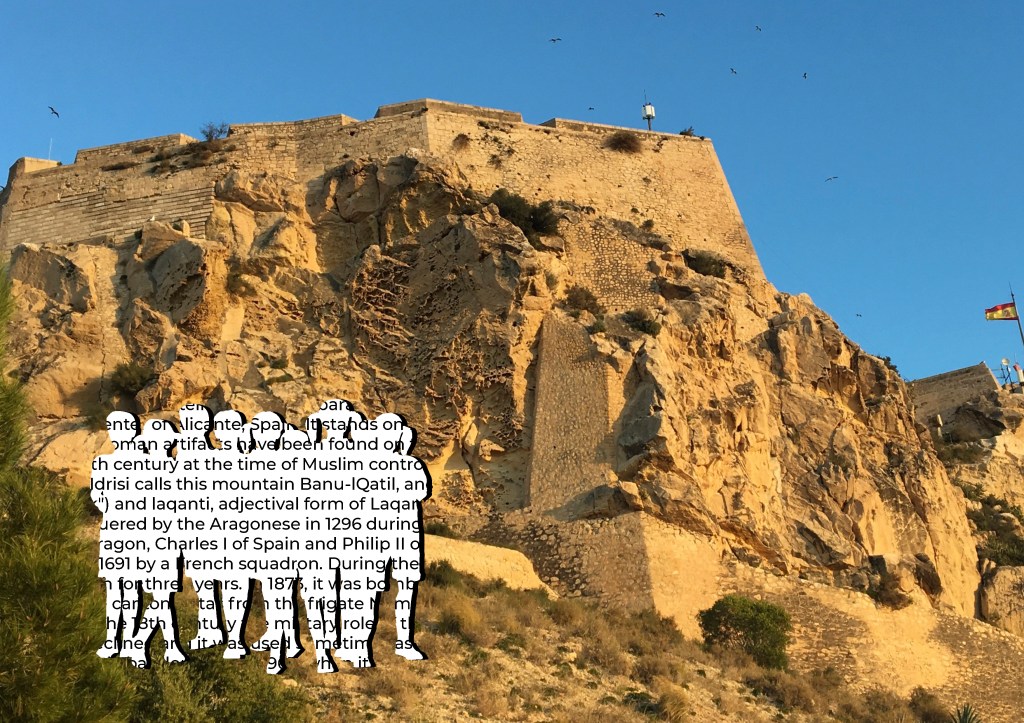
I began to think about what Alicante might look like if the castle didn’t exist. Using Photoshop I edited the castle out, to understand the concept.

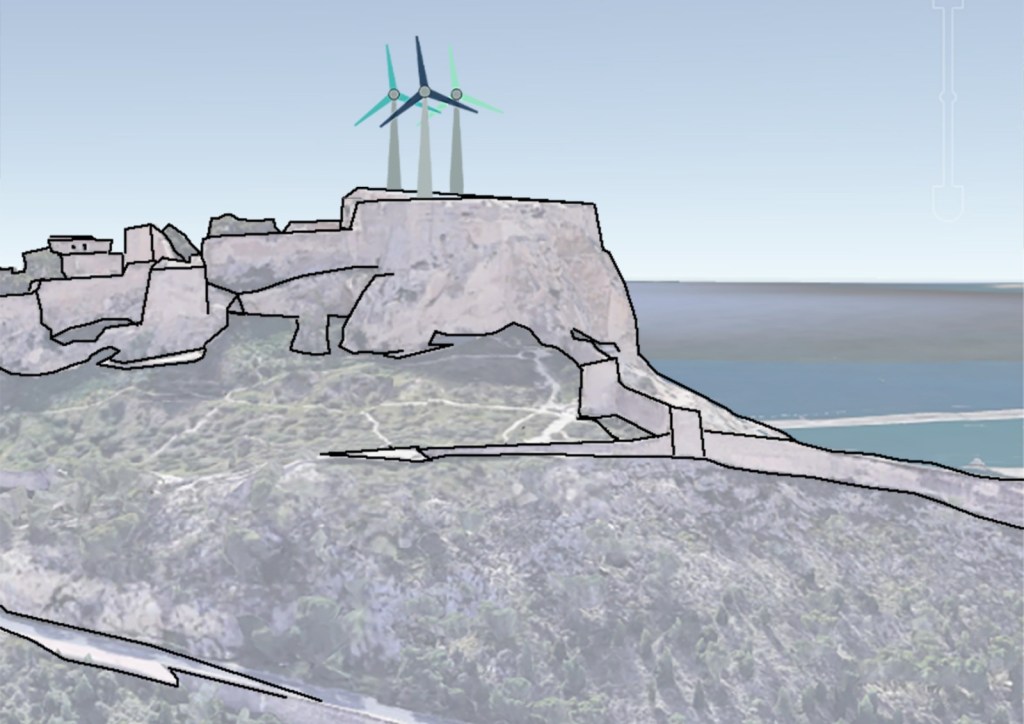
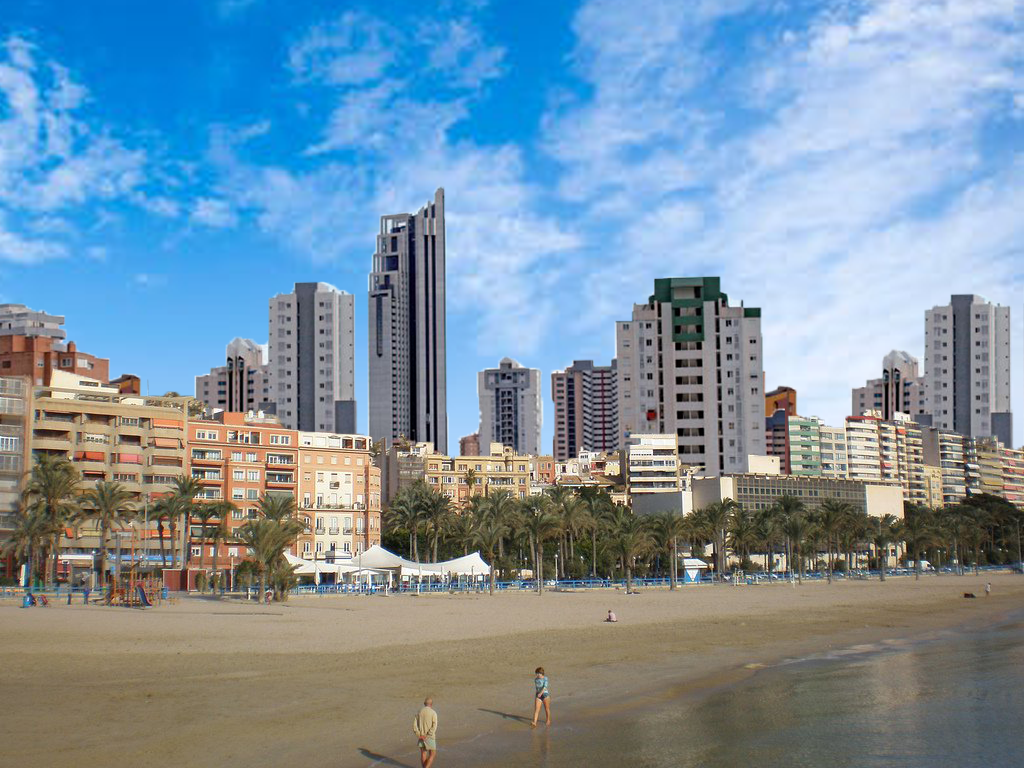
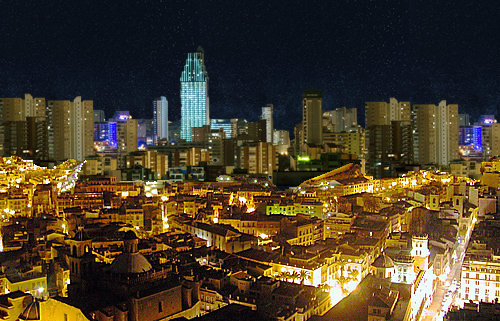
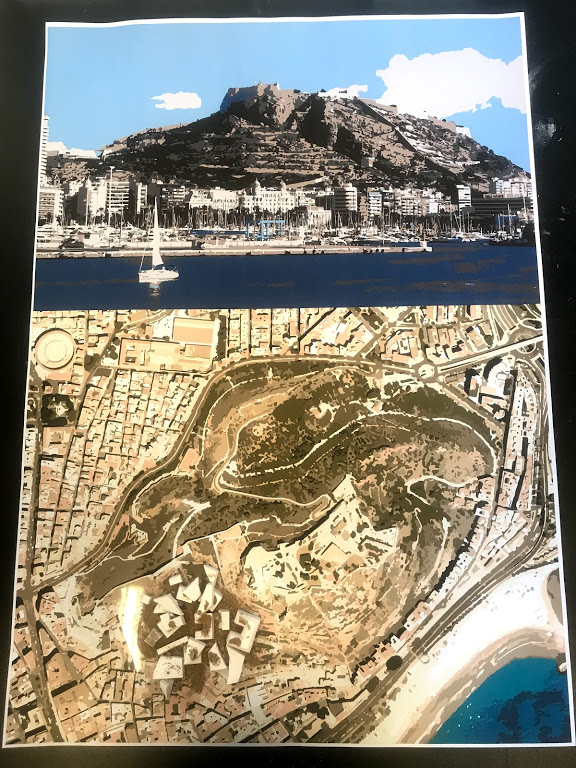
The outcome of the Photoshop task helped me to understand the importance the castle has within the city, and its atmosphere. It acts as a visual reminder of the historical story of Alicante, and completes the character of the city. From this, I began to compare the character of Alicante to the character of other coastal cities in Spain. I feel Benidorm has one of the most contrasting characters, with more of a developed, less historical aesthetic. I questioned what Alicante might be like with this kind of aesthetic, and how it would change the city and impact its inhabitants. I used Photoshop again to test this, I found that adding skyscrapers into the landscape changed the character of the city dramatically and highlighted the importance of the castle.

Sounds Santa Barbara Castle

We tried to explain the Castle History in a different way.  We looked for the colours and the sounds it could represent the Arabic Period:

castillo árabe

This slideshow requires JavaScript.


The red circles are the place where the sounds could have been recorded:

After our first experiment we tried to compere the Arabic Period with other period: Spanish Civil War. Same place but different feelings.

Madrid program

Madrid

Friday, March 6th

10:30 Welcome & RegistrationôUNIVERSIDAD EUROPEA DE MADRID (UEM)

11:00-11:30 Presentation: Coordinators / Joaquín Alvado, Javier Sánchez Merina, José Carrillo, Miguel Luengo

11:30-12:30 Introduction to Workshop Themes & Groups

12:30-13:15 Lecture by Miguel Luengo “RADICAL©ITIES”

13:10-15.00 Lunch Break

15:00-15:45 Lecture by José Carrillo “DUBAI”

15:45-17.00 UEM Round table and debate with students “What is a city?”: Professors: Joaquín Alvado, Javier Sánchez Merina, José Carrillo, Miguel Luengo

17:00-18:00 Workshop Session “DUBAI®ADICAL” and 1st theoretical submission (250 words)ô UEM LAPTOPS ARE NEEDED

19:30 Bocata de Calamares in “La ideal”. Calle Botoneras 4 (Plaza Mayor) Walk M La Latina M Tirso de Molina

Design a site like this with WordPress.com
Get started